



In the fast-paced world of aviation, some of the most critical information has been managed by technology from the 1980s. Now, a major upgrade is underway to bring US air traffic control into the 21st century for good.
Out With Floppy Disks, In With Digital
For decades, air traffic controllers
in the United States have relied on a patchwork of systems to manage the world's busiest airspace. In some cases, this has involved technology that many today have only seen in museums, including floppy disks. This aging infrastructure, while reliable for its time, presents growing challenges for maintenance and cannot support the advanced functions needed for modern aviation. The Federal Aviation Administration (FAA) has now begun a crucial phase of its long-term modernization plan, rolling out the Enterprise Information Display System (E-IDS). This system is set to replace four separate legacy platforms, consolidating critical data into a single, modern interface for controllers.
A Single Source of Truth
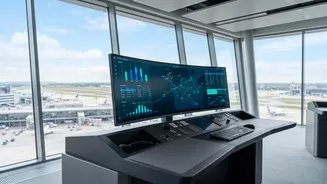
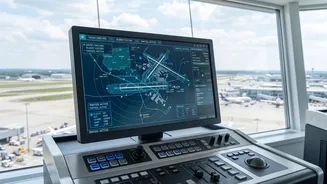
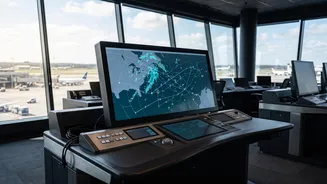
The new E-IDS is more than just a new screen; it's a fundamental change in how controllers access information. Instead of consulting multiple displays for different pieces of data, E-IDS creates a unified view. It integrates everything from real-time weather and equipment status alerts to notices about restricted airspace and pilot reports (PIREPs). By providing a single, secure, and streamlined source of information, the system allows controllers to make faster, more informed decisions. This reduces the need for manual, paper-heavy processes and minimizes the 'heads-down' time previously spent juggling outdated systems, ultimately enhancing situational awareness.
Enhancing Safety and Efficiency
The primary goals of this upgrade are to bolster safety and improve efficiency across the National Airspace System. By giving controllers instant access to shared critical alerts, the FAA aims to reduce the risk of errors and respond more quickly to changing conditions. For example, the system will improve the collection and distribution of pilot weather reports and crucial safety advisories known as Notices to Airmen (NOTAMs). This modernization is also a key component of a larger effort to manage airport surface traffic more effectively. Another related system, the Terminal Flight Data Manager (TFDM), uses electronic flight strips to optimize gate push-backs and departure sequencing, which can lead to significant fuel savings and fewer tarmac delays.
The Rollout Plan
The nationwide E_IDS installation is a multi_year effort. The FAA announced the first five facilities to receive the technology in early November 2026. These initial sites include the control towers at Atlantic City, Nashville, and Greater Rochester international airports, as well as two major data_processing hubs in Atlanta and Salt Lake City. This marks the beginning of a push to install the system in 435 locations by the end of 2028. While the timeline is ambitious, it is part of a broader, multi_billion dollar congressional initiative to accelerate the modernization of the entire US air traffic control network, which also includes replacing copper wiring, analog radios, and outdated radar equipment.
The Bigger Picture for Air Travel
This display upgrade is a critical piece of the FAA’s wider Next Generation Air Transportation System, or NextGen, program. NextGen is a comprehensive overhaul designed to shift air traffic control from a ground_based radar system to a more precise satellite_based GPS system. These modernization efforts have faced scrutiny over costs and timelines, with government watchdogs noting the complexity of coordinating so many different installations without disrupting operations. However, the mission is clear: to build a more resilient, capable, and predictive air traffic system that can handle future growth in air travel safely and sustainably. For passengers, the benefits won't be visible in the cabin, but they will be felt through more reliable schedules, fewer delays, and the continued assurance of a safe journey through increasingly crowded skies.