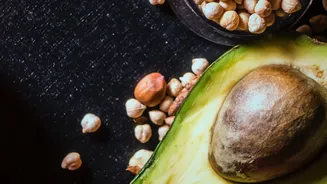

Looking for a simple, powerful, and delicious vegetarian meal foundation? The humble chickpea and the creamy avocado might be the perfect nutritional partnership you need, offering a balanced mix of fibre, healthy fats, and plant-based protein.
The Power of the Chickpea
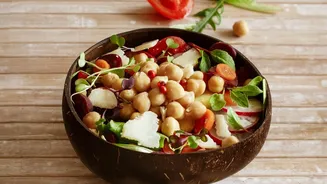
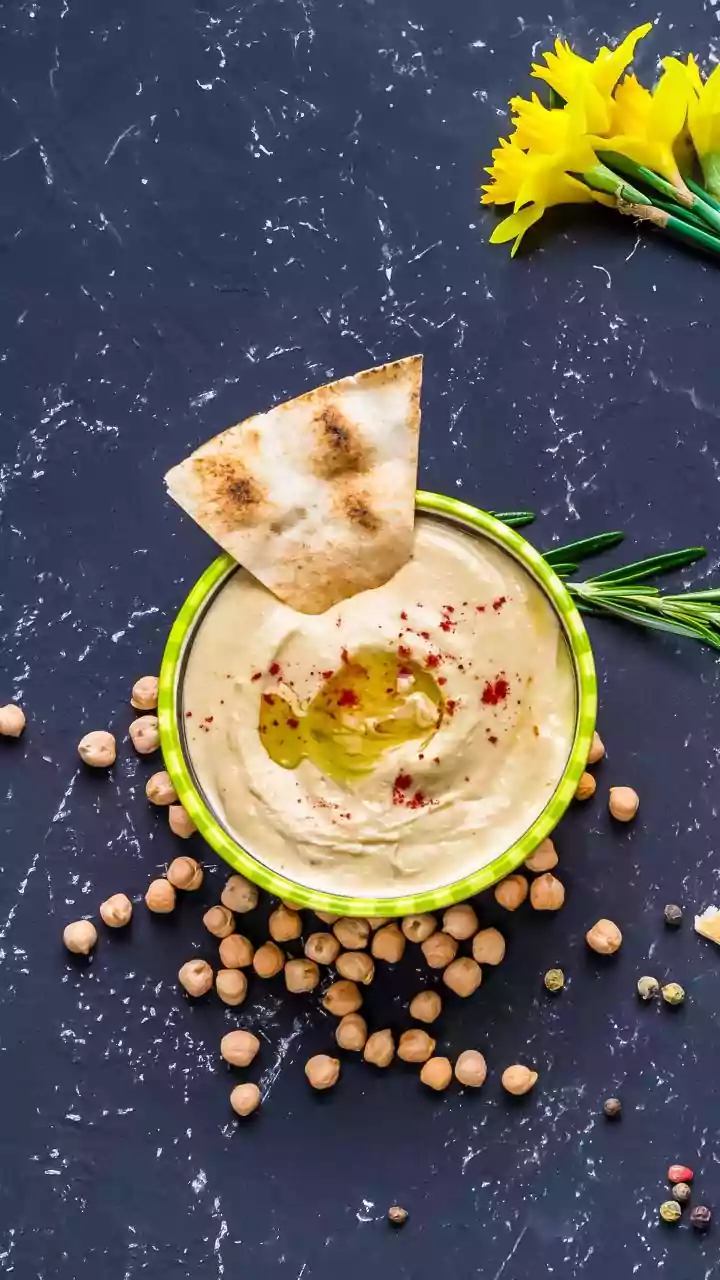
Chickpeas,
also known as garbanzo beans, are a nutritional powerhouse and a cornerstone of vegetarian and vegan diets for good reason. A single cup of cooked chickpeas contains around 15 grams of plant-based protein and an impressive 12.5 grams of dietary fibre. This combination of protein and fibre is key to feeling full and satisfied after a meal, which can help with weight management. The fibre in chickpeas also supports digestive health and helps prevent constipation. Beyond protein and fibre, chickpeas are packed with essential minerals like manganese, folate, iron, and magnesium, contributing to everything from brain function to bone health.
Avocado’s Healthy Fat Advantage
Avocado has earned its 'superfood' status primarily due to its high content of healthy fats. Unlike most fruits, avocados are rich in monounsaturated fats, particularly oleic acid, the same heart-healthy fat found in olive oil. These fats are beneficial for cardiovascular health as they can help lower 'bad' LDL cholesterol while maintaining 'good' HDL cholesterol. A medium avocado also provides about 10 grams of fibre. This high fat and fibre content slows down digestion, which promotes a feeling of fullness and helps regulate blood sugar levels. Avocados are also a great source of potassium, which helps manage blood pressure, and they contain various vitamins like C, E, K, and B6.
A Perfect Nutritional Partnership
When you combine chickpeas and avocados, you create a meal that is greater than the sum of its parts. The partnership of fibre (from both chickpeas and avocados) and healthy fats (from avocado) is particularly effective for creating a balanced and satisfying meal. This combination works to slow the absorption of sugar into the bloodstream, preventing the sharp spikes and subsequent crashes in energy that can occur after eating a carbohydrate-heavy meal. This leads to more stable energy levels and sustained satiety, keeping you feeling full and energised for longer. Furthermore, dietary fat is necessary for the absorption of fat-soluble vitamins like A, D, E, and K, so the avocado in the meal helps your body unlock more of the nutrients found in the chickpeas and any other vegetables you add.
Flexible and Versatile Meal Ideas
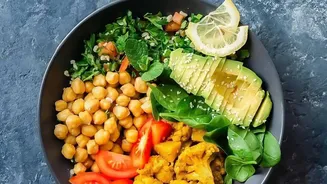
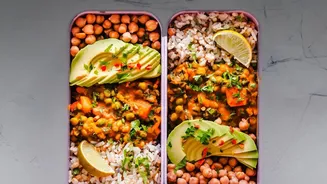
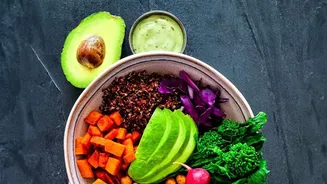
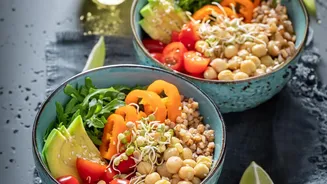
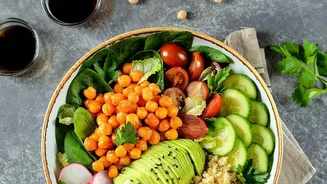
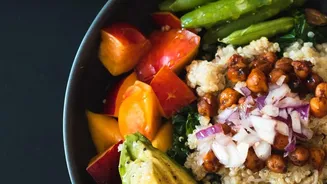
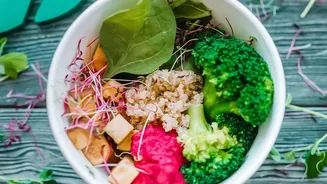
The beauty of the chickpea and avocado combination lies in its incredible flexibility. There is no single way to enjoy it, allowing for endless customisation based on your taste and what you have in your kitchen. One of the simplest and most popular methods is to create a 'smashed' salad. By mashing cooked chickpeas with a ripe avocado, you can create a creamy, textured base. From there, the options are limitless. You can add lemon juice for brightness, chopped red onion for a bit of a bite, and fresh herbs like parsley or coriander for freshness. This mixture is perfect as a sandwich filling, a topping for whole-grain toast, a dip for fresh vegetables and crackers, or a filling for a whole-wheat pita or wrap. You can also keep the chickpeas whole and toss them with diced avocado, cherry tomatoes, cucumbers, and a light vinaigrette for a refreshing and substantial salad. For a warm dish, try topping a baked sweet potato with a scoop of the chickpea-avocado mix, or add the duo to a grain bowl with quinoa or brown rice.
Building a Complete Vegetarian Plate
While chickpeas and avocado provide a fantastic base of fibre, fat, and protein, you can easily build upon it to create an even more nutritionally complete meal. Although chickpeas are a source of complete protein, meaning they contain all nine essential amino acids, pairing them with a whole grain ensures a more balanced amino acid profile. Serving your chickpea-avocado mash on whole-wheat bread or alongside a serving of quinoa accomplishes this easily. To boost the vitamin and mineral content, don't be shy with other vegetables. Adding leafy greens like spinach or arugula, colourful bell peppers, or crunchy carrots will not only add texture and flavour but also a wider range of antioxidants and micronutrients to your meal. A sprinkle of seeds like pumpkin or sunflower seeds can add extra crunch and a boost of healthy fats and minerals like zinc and magnesium.