






The Numbers Behind a Dry Month
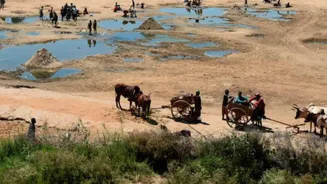
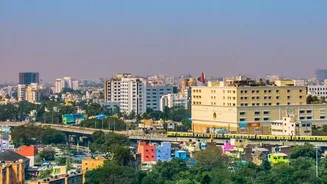
July in Bengaluru was not just slightly dry; it was historically so. The city's main observatory recorded just 23mm of rainfall for the entire month, a stark contrast to the typical average of 80mm to 100mm. This made it the second-driest July in over
a century, with the only drier instance being back in 1918. While the city had a healthy surplus from pre-monsoon showers earlier in the year, the failure of July rains wiped out those gains, leaving the cumulative monsoon total at a significant deficit. The month was also unusually warm, with temperatures climbing to a five-year high, making the peak monsoon period feel more like a sweltering summer. This local reality starkly contrasts with the broader, national picture.
A Tale of Two Monsoons
The term 'monsoon' often conjures images of nationwide, uniform rainfall, but the reality is far more complex. The India Meteorological Department (IMD) might declare the monsoon's progress as normal or even active on a national scale, but this is an average that can mask severe regional variations. In July, while regions in coastal Karnataka and other parts of India received heavy downpours, South Interior Karnataka, the region encompassing Bengaluru, remained largely dry. This happens because the weather systems that bring rain to different parts of the country are distinct. Bengaluru's rain depends on specific troughs and moisture-carrying winds, which were weak and inactive for most of July. So, while the monsoon may have 'covered' the country, the systems that water Bengaluru simply did not perform.
The Reservoir Reality Check
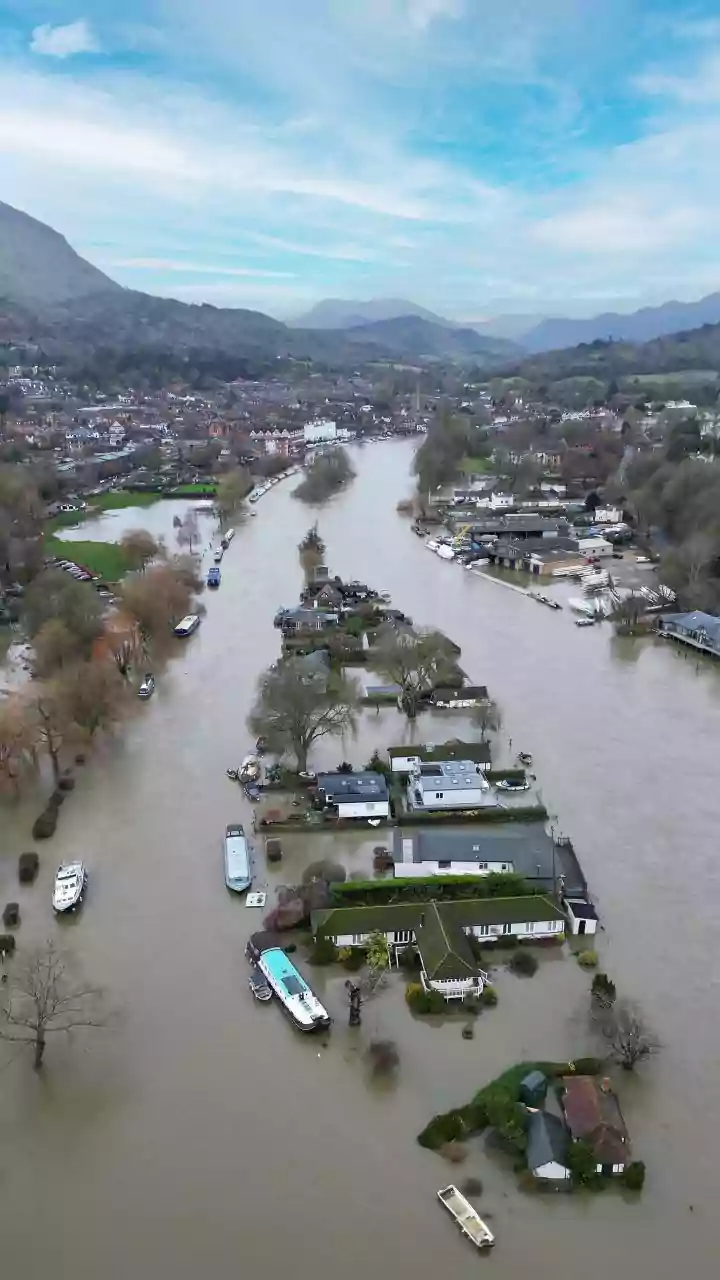
For Bengaluru, rainfall within the city limits is only one part of the water equation. The city's lifeline is the Cauvery River, with water pumped from reservoirs located over 100 kilometres away. The crucial factor is rainfall in the Cauvery's catchment areas, primarily in the Western Ghats (Malnad and Kodagu regions). For much of July, these areas also experienced a rainfall deficit, causing concern over the water levels in the primary reservoirs like Krishna Raja Sagara (KRS) and Kabini. However, a dramatic turnaround occurred at the very end of July and into early August. Heavy rains lashed the catchment areas, leading to a rapid rise in reservoir levels. The Kabini reservoir, in particular, neared its full capacity, prompting authorities to release surplus water downstream. This sudden influx provided a significant buffer, easing immediate fears of a water crisis.
Why Local Focus is Non-Negotiable
The experience of July 2026 serves as a critical reminder: for a metropolis like Bengaluru, national monsoon labels are largely irrelevant. The city's water security is a hyper-local issue, dependent on two key factors: rainfall in the immediate South Interior Karnataka region to replenish groundwater and lakes, and, more importantly, heavy rainfall in the specific catchment areas of the Western Ghats that feed the Cauvery reservoirs. A 'normal' monsoon for India does not guarantee either. Bengaluru's massive population and its reliance on water pumped from a great distance make it uniquely vulnerable. While the late surge in reservoir levels brought relief this time, the dry spell in the city itself highlights the precarious balance of its water supply.