

Why Rules Rule the Waves
The dramatic coastline of Portugal's Algarve region has become a world-famous destination for marine tourism, with kayaking offering a uniquely intimate way to experience its beauty. However, this popularity has led to necessary regulations designed to protect
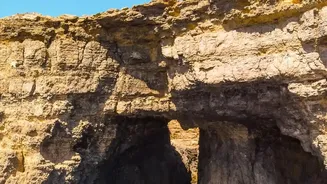
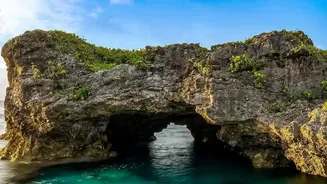
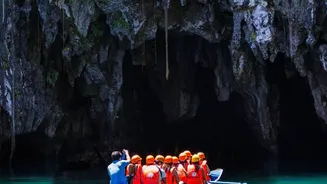
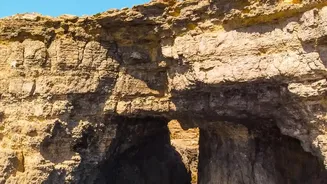
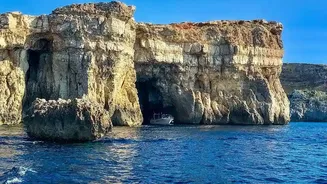
both the fragile environment and the safety of visitors. Local maritime authorities have implemented rules to manage boat traffic, prevent overcrowding in sensitive areas like narrow grottos, and preserve the natural rock formations and marine life. These aren't just bureaucratic hurdles; they are essential for conservation. Adhering to permitted zones and guidelines ensures that the natural splendour you came to see remains for future generations. For many popular areas, this means joining a guided tour is either mandatory or highly recommended, as local guides are trained in safety protocols and have the required licenses and knowledge of tides and sea conditions.
The Benagil Cave Conundrum
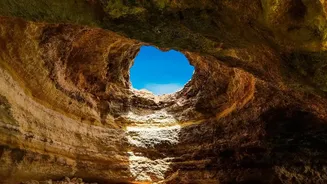
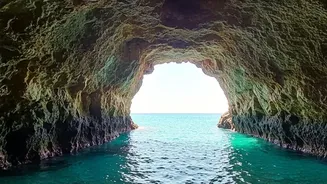
The magnificent Benagil Sea Cave, with its iconic eye-like opening to the sky, is at the top of most visitors' lists. Its immense popularity has also made it a focal point for safety and conservation measures. In recent years, access has been significantly restricted to prevent accidents and environmental degradation. As of the latest regulations, swimming to the cave is prohibited, and disembarking inside the cave from any vessel is often forbidden to preserve the beach and prevent overcrowding. While you can still see the cave's interior from the water, the days of freely paddling in and setting up on the sand are over. The safest and most reliable way to experience Benagil is by joining a licensed boat or kayak tour. These operators know the specific, time-sensitive rules for entry, ensuring you can marvel at the wonder without contributing to its erosion or risking your safety.
Ponta da Piedade’s Golden Labyrinth
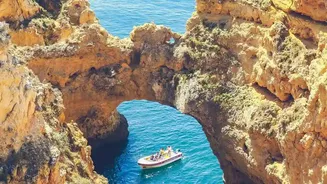
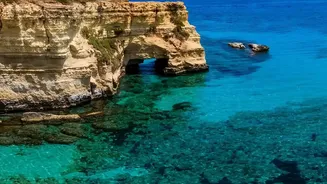
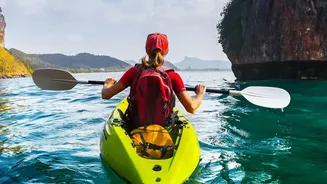
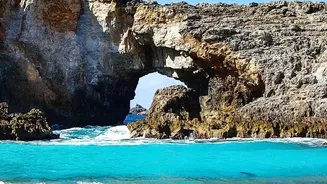
Near the town of Lagos, the Ponta da Piedade headland presents a stunning maze of golden limestone pillars, natural tunnels, and hidden grottos. Kayaking here feels like navigating through a fantastical, sun-drenched city of rock. The water is often crystal clear, revealing the seabed below as you paddle through arches named for their whimsical shapes, like 'The Elephant' and 'The Kissing Couple'. Due to the complex network of caves and the potential for changing sea conditions, exploring with a local guide is the best approach. They can lead you safely through the most spectacular passages, some of which are only accessible at certain tides. A guided tour also provides context, with guides sharing stories about the area's history and geology, turning a scenic paddle into an educational experience. This guided approach helps manage traffic and ensures that kayakers don’t inadvertently enter areas that are unsafe or ecologically sensitive.
The Tranquil World of Ria Formosa
For a completely different kayaking experience, head east to the Ria Formosa Natural Park. This vast system of lagoons, barrier islands, and salt marshes is a haven for birdwatchers and those seeking peace and quiet. Unlike the dramatic cliffs of the western Algarve, Ria Formosa offers calm, protected waters perfect for beginners and families. Paddling here is about immersing yourself in nature. The park is a vital stopover for migratory birds, and its waters are home to a unique aquatic ecosystem. When kayaking in this protected area, the rules are clear: leave no trace. Stick to marked channels, do not disturb the wildlife, and avoid landing on sensitive marshlands or bird-nesting sites. Many eco-tours operate here, led by marine biologists and naturalists who can help you spot and identify the local flora and fauna, deepening your appreciation for this delicate and beautiful environment.