



The Unpredictable Nature of September Rains
September is a transitional month for the Indian monsoon. While the official withdrawal process often begins from the northwestern parts of the country after September 1st, it doesn't mean an abrupt end to the rains everywhere. A low-pressure area or a cyclonic
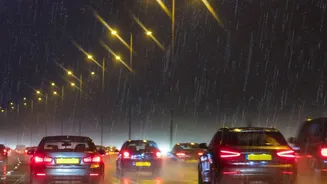
circulation can trigger intense rainfall spells even as the broader seasonal pattern is weakening. According to the India Meteorological Department (IMD), the first week of September 2026 is seeing continued wet weather across several states due to an active weather system. This creates a mixed bag for travellers: while some destinations become ideal with lush scenery and pleasant weather, others remain at high risk of flooding, waterlogging, and travel disruptions.
High-Alert Zones: Where to Be Cautious
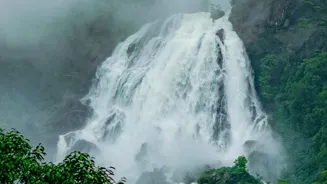
Based on the latest forecasts from the IMD for early September, several regions are expected to receive heavy to very heavy rainfall. Eastern and Central India are particularly on watch, with alerts for states like Odisha, Jharkhand, Chhattisgarh, and Madhya Pradesh. The Northeast is also forecast to receive widespread rainfall through the first week of the month, including in Assam, Meghalaya, and Arunachal Pradesh. These are regions where heavy rains can lead to floods and make travel difficult. Additionally, popular coastal destinations like Goa and the Konkan coast are likely to see widespread rain. While the coast is beautiful during this time, beach activities might be limited, and rough seas could be a concern.
A Special Warning for Mountain Travel
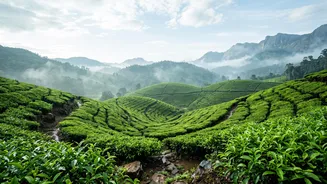
Hill stations are a major draw as the monsoon recedes, but they require the most caution. Heavy rainfall has been recorded in states like Uttarakhand in late August and early September, with the IMD issuing alerts for multiple districts including Dehradun, Nainital, and Bageshwar for the first week of September. Continuous rain in hilly terrain significantly increases the risk of landslides and flash floods, which can block roads for days and pose a serious safety threat. Areas in Himachal Pradesh, Sikkim, and the Western Ghats (like parts of Kerala and Karnataka) also become vulnerable. Travellers planning treks or road trips to mountainous regions must check local advisories and road conditions with extreme diligence, as a beautiful misty drive can quickly become a hazard.
Green-Light Getaways: Where It's Getting Safer
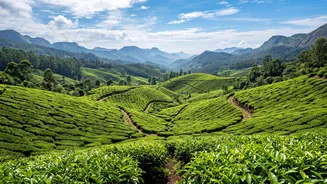
While many areas face rain, others begin to clear up beautifully. The IMD has noted that rainfall activity is likely to be subdued over Peninsular India during the first week of September, which could make it a good time for travel to certain parts of the south, away from the immediate coast. States like Rajasthan also see the monsoon retreating, leaving behind cooler temperatures and a green-tinged desert landscape, making cities like Udaipur and Jaipur pleasant to explore. In general, as the monsoon withdraws from the northwest, parts of Punjab and Haryana also become more accessible. The key is to look for destinations where the intense phase of the monsoon has passed, leaving behind full lakes, thriving greenery, and comfortable weather before the peak tourist season crowds arrive.
Your Smart Traveller Toolkit
Making an informed decision is easier than ever with reliable data. The primary source for all weather information in India is the India Meteorological Department (IMD). Their website, mausam.imd.gov.in, provides daily press releases, district-level warnings, and rainfall data that are crucial for planning. You can check for colour-coded alerts (yellow, orange, red) for your intended destination. Many private weather forecasting services like Skymet also provide detailed monsoon analysis. Before you book, spend a few minutes checking these sources. Look at the forecast for your specific travel dates. If you're driving, especially in the hills, also check local police or traffic advisories for road status. A little research can be the difference between a dream holiday and a trip spent stuck in a hotel room.