






First, Let's Clear the Air: UPI is Still Free for You
Before diving into the details, it’s crucial to understand who this change affects. For the average person, nothing changes. Person-to-person (P2P) transfers—sending money to friends or family—remain completely free, regardless of the amount. Likewise,
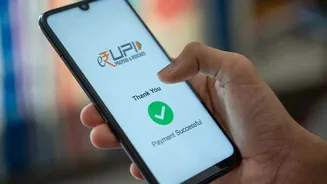
most of your daily payments to merchants (Person-to-Merchant or P2M) will not cost you anything. The new fee, known as a Merchant Discount Rate (MDR), is a charge that merchants must pay. It applies only to specific P2M transactions valued at over ₹2,000, and even then, customers are not supposed to be charged this fee. So, you can continue scanning QR codes for your chai or groceries without a worry.
Decoding the New Merchant Fee
Starting October 15, 2026, the National Payments Corporation of India (NPCI) has introduced an MDR on certain UPI transactions. This is not a tax, but a fee shared among the payment service providers—like banks and UPI apps—to help maintain and improve the digital payments infrastructure, covering costs like technology, cybersecurity, and customer support. The standard rate is 0.4% for merchant transactions above ₹2,000. For very large transactions of ₹75,000 or more, this fee is capped at a maximum of ₹300. However, this isn't a one-size-fits-all rule, and that's where the special categories come in.
The 'Essential Services' Exception
The headline of the new policy is the special treatment for sectors deemed essential. Instead of a percentage-based fee, transactions over ₹2,000 in these categories will attract a flat, nominal fee of just ₹5. This is a significant discount compared to the 0.4% rate. For example, a ₹10,000 payment would normally incur a ₹40 fee for the merchant, but for an essential service, it’s just ₹5. The categories identified by NPCI for this special cap include railways, fuel, telecom services, insurance, and agricultural inputs. Utility bills like electricity and gas also fall under this concessional structure.
Why the Special Treatment?
The logic behind the ₹5 cap is to protect low-margin businesses and ensure the continued adoption of digital payments in critical sectors. Businesses like fuel stations, agricultural suppliers, and utility providers often operate on very thin profit margins. A percentage-based fee, even one as low as 0.4%, could significantly eat into their earnings, especially on high-value transactions. This might discourage them from accepting UPI payments, pushing consumers back towards cash. By implementing a small, flat fee, NPCI aims to strike a balance. It provides a sustainable revenue stream for the payment ecosystem without placing an undue burden on merchants in these vital areas, ensuring services remain affordable and digitally accessible.
What This Means for Merchants and the Future
While customers are shielded, merchants are the ones who will absorb this new cost. Small merchants, defined as those receiving up to ₹1 lakh per month via UPI QR codes, are completely exempt from any MDR, protecting the vast majority of small businesses. Official estimates suggest that around 96% of all merchant transactions will remain unaffected by the new charges. For the larger businesses that are impacted, the tiered structure is designed to be a gentle introduction to a monetised UPI ecosystem. The revenue generated is intended to make the system self-sufficient, reducing its reliance on government subsidies and fostering innovation, security, and reliability in the long run.