




The craving for a crunchy, satisfying snack is universal. For decades, popcorn has been the undisputed king of movie nights and evening munchies. But a formidable, nutrient-dense contender from our own heritage is stepping into the ring: ragi.
The Contenders: A Classic vs. A Superfood
On one side,
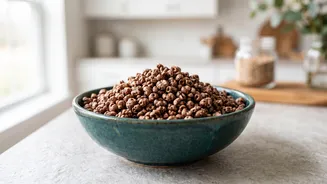
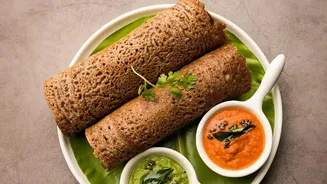
we have popcorn, the beloved snack made from dried corn kernels that puff up when heated. It's a whole grain, familiar, and incredibly easy to make at home. On the other side are ragi pops, a modern take on an ancient grain. Ragi, or finger millet, has been a staple in Indian diets for centuries, especially in the southern states. Known for its resilience and nutritional prowess, ragi is now being reimagined from traditional porridge and rotis into light, crunchy snacks. These 'pops' are typically made from puffed ragi grains or ragi flour, offering a completely different snacking experience.
The Nutritional Showdown
This is where the comparison gets interesting. Air-popped popcorn is a healthy, low-calorie snack in its own right, delivering a solid dose of dietary fibre and antioxidants. It’s a 100% whole grain that can help you feel full and supports digestive health. However, ragi is a nutritional powerhouse. It stands out for its exceptionally high calcium content, boasting nearly three times more calcium than milk and significantly more than other cereals like wheat and rice. It's also packed with iron, protein, and amino acids. The high fibre content in ragi not only aids digestion but also helps in maintaining stable blood sugar levels, making it an excellent choice for those with diabetes or looking to manage their weight. While popcorn is a good source of fibre, ragi offers a much broader and denser nutrient profile, particularly in minerals like calcium and iron.
Ease of Preparation
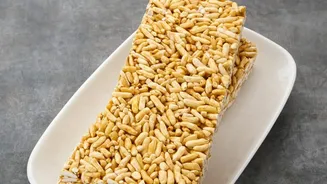
When it comes to convenience, popcorn wins handily. All it takes is a pot with a lid, a bit of oil, and a few minutes on the stove for the kernels to burst into a fluffy snack. In contrast, making truly 'popped' ragi at home from the grain is more labour-intensive. It involves soaking the grains overnight, drying them, and then carefully roasting them on low heat until they puff up. A more practical at-home approach is to use ragi flour to create snacks like baked ragi puffs or a savoury mixture known as ragi kurmura namkeen. While delicious, these recipes are more involved than simply making popcorn. Alternatively, ready-to-use puffed ragi is available in many stores, which can then be seasoned at home, offering a convenient middle ground.
Taste, Texture, and Versatility
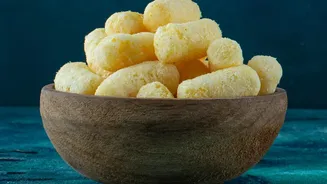
Popcorn has a light, airy texture and a neutral, slightly sweet flavour that makes it a perfect canvas for butter, salt, caramel, or cheese. Its familiar crunch is a big part of its appeal. Ragi has a more complex, earthy, and nutty flavour. Puffed ragi offers a denser, crispier crunch rather than popcorn's airy puff. This distinct taste pairs wonderfully with Indian spices like chaat masala, cumin, and turmeric, or can be made into sweet snacks with jaggery and coconut. While popcorn is versatile in its own way, ragi's unique flavour profile opens up a different world of savoury and sweet snacking possibilities rooted in traditional Indian tastes.
The Final Verdict: Which Should You Choose?
The choice between ragi pops and popcorn ultimately comes down to your priorities. If you’re looking for a quick, convenient, and familiar whole-grain snack, air-popped popcorn is an excellent choice. It’s low-risk and satisfies the craving for something crunchy and light. However, if your goal is to maximise nutritional intake and you’re willing to put in a little extra effort (or buy pre-puffed ragi), then ragi is the undisputed champion. It delivers superior levels of calcium, iron, and fibre, contributing more significantly to your overall health. Both snacks are at their best when prepared at home with minimal oil, salt, and sugar. Loading either with unhealthy toppings negates their benefits.