



The Foundation: Fasting Flours and Grains
Since many devotees fast on Janmashtami, traditional grains like wheat and rice are often avoided until the fast is broken at midnight. Your kitchen should be ready with vrat-friendly (fasting-friendly) flours. Stock up on Singhara Atta (water chestnut
flour), Kuttu Atta (buckwheat flour), and Rajgira Atta (amaranth flour). These are perfect for making simple puris, parathas, or cheelas. Sabudana (tapioca pearls) is another must-have for classic dishes like Sabudana Khichdi or crispy vadas. Samak rice (barnyard millet) is an excellent substitute for regular rice and can be used to make pulao or a creamy kheer.
Dairy Essentials for Richness and Offerings
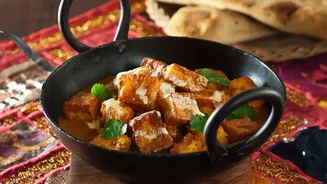
Lord Krishna's childhood tales are filled with his love for butter and milk, making dairy the heart of Janmashtami cuisine. Ensure you have an ample supply of full-cream milk, which forms the base for countless sweets like kheer and rabri. Fresh curd (yoghurt) is essential for making Panchamrit—the sacred offering of milk, curd, ghee, honey, and sugar—as well as refreshing raitas and lassi. A block of paneer can be quickly turned into a simple sabzi, and a fresh stock of white butter (makhan) and ghee is non-negotiable for both offerings and cooking. Makhan Mishri, a simple mix of white butter and rock sugar, is a key prasad.
Sweeteners, Nuts, and Dry Fruits
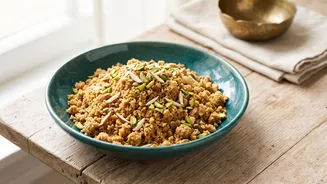
No festive menu is complete without sweets. Instead of refined white sugar, traditional sweeteners are often preferred. Stock jaggery and mishri (rock sugar) for authentic flavour in your sweets and prasad. A variety of nuts and dry fruits will elevate your dishes instantly. Almonds, cashews, pistachios, raisins, and chironji (charoli) are vital. They can be added to kheer, panjiri, and halwa for richness and texture. Makhana (fox nuts) are incredibly versatile; they can be roasted for a simple snack, added to kheer, or ground into gravies. Having these on hand means you can prepare delicious Mewa Paag or Dhaniya Panjiri with minimal effort.
Spices and Simple Flavourings
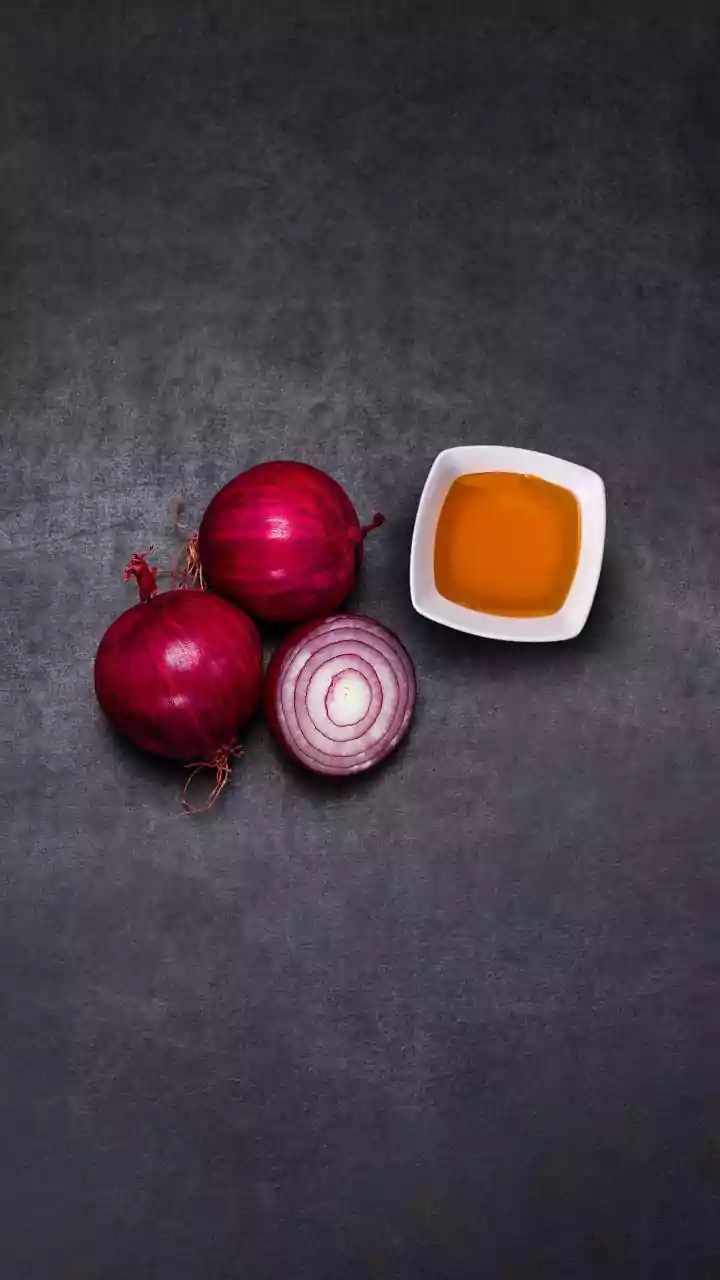
During fasting, the spice palette is usually limited and sattvic. The most crucial swap is replacing regular table salt with Sendha Namak (rock salt). This is the only salt permitted in vrat cooking. Other key spices to have ready are cumin seeds (jeera), black pepper (kali mirch), green cardamom (elaichi) for sweets, and dried mango powder (amchur) for a tangy flavour. Fresh ingredients like ginger and green chillies are also used to add a bit of heat and aroma to savoury dishes, as onion and garlic are strictly avoided in most Janmashtami preparations.
Easy-to-Use Fresh Produce
For your savoury dishes, focus on vegetables that cook quickly and are permitted during the fast. Potatoes are a staple and can be used to make a simple Jeera Aloo, vrat-friendly tikkis, or a comforting sabzi. Other easy options include lauki (bottle gourd), arbi (colocasia), and pumpkin (kaddu). These vegetables can be turned into simple stir-fries or light curries. A stock of lemons and fresh coriander will add brightness and flavour to finish your dishes. Don't forget a bowl of fresh, seasonal fruits, which can be offered as prasad or enjoyed as a light meal during the day.