





Before the Power Goes Out: A Pre-emptive Strike
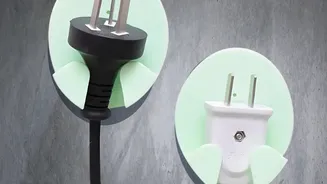
The best way to handle a power cut is to be ready before it happens. During the rainy season, thunderstorms and high winds make outages more likely. Your first line of defence is to unplug non-essential electronics when a storm approaches. Devices like televisions,
computers, microwaves, and Wi-Fi routers are particularly vulnerable to sudden power surges that can occur with lightning strikes. While it may seem like a hassle, this simple act is the most effective way to prevent damage. It's also a good idea to invest in surge protectors for appliances you can't easily unplug. A surge protector acts as a shield, absorbing excess voltage, but remember they have a limited lifespan and should be replaced every few years for optimal protection. For more robust protection, consider having a whole-home surge protector installed by a qualified electrician.
During the Outage: Immediate Actions to Take
Once the power is out, your main priority is to minimise risk and preserve what you can. First, unplug any smaller appliances that were still on, like lamps, fans, or game consoles. This prevents a sudden load on the system when power is restored, which can sometimes cause another outage. However, you should leave large appliances like your refrigerator and freezer plugged in. Instead, keep their doors closed as much as possible. A closed, full refrigerator can keep food safe for about four hours, while a full freezer can last up to 48 hours. Turn off all light switches except for one. This serves two purposes: it reduces the immediate electrical demand upon restoration and acts as a clear signal to you that the power is back on.
The Power Returns: A Cautious Welcome
Damage to appliances often occurs not during the outage itself, but in the first few moments after power is restored due to an unstable voltage spike. When you notice the power is back, don't rush to turn everything on at once. Wait for about five to ten minutes to allow the power supply to stabilise. Once the flow seems steady, you can begin plugging in your sensitive electronics and turning on appliances one by one. This staggered approach prevents a sudden, large demand on the electrical system. If an appliance doesn't turn on or shows an error code, try a 'hard reset' by unplugging it, waiting a few minutes, and then plugging it back in. If it still doesn't work or you notice a burning smell, keep it unplugged and call a professional for inspection.
Special Care for Key Appliances
Different appliances require different levels of care. For your air conditioner, always turn it off during an outage. Its compressor is highly sensitive to power surges and can be costly to repair. For washing machines and dishwashers, ensure they are in a dry, well-ventilated area, as the monsoon's high humidity can damage their electronic circuits. In areas prone to waterlogging, it's wise to place major appliances like refrigerators and washing machines on an elevated platform to protect them from water damage. Regularly inspect the wiring of all your appliances for any signs of wear and tear, and ensure any outdoor electrical points are properly weatherproofed to prevent short circuits.
Using Inverters and Generators Safely
Inverters and generators are lifesavers during long outages, but they come with their own safety rules. Ensure your inverter is installed in a well-ventilated area to prevent overheating and away from dampness. Avoid overloading the system; know the wattage of your essential appliances and connect them one at a time, starting with the one that requires the most power, like the refrigerator. Never operate a portable generator inside your home, garage, or any enclosed space due to the risk of carbon monoxide poisoning. Always place it outside, away from windows and doors. Also ensure the wiring is done correctly to avoid 'backfeeding' the grid, which is illegal and extremely dangerous for utility workers.