


Beyond the Standard Sweet Box
Not long ago, a box of chocolates or a standard selection of ladoos and barfis was the default for gifting, festivals, and everyday indulgence. While these classics remain beloved, their dominance is being challenged. Today's discerning consumer is looking
for more than just a sugar rush; they seek a story, a connection to heritage, and a unique flavour experience. A recent survey highlighted this shift, revealing that a staggering 82% of Indians prefer traditional sweets over other dessert options like cakes and chocolates. This growing preference isn't just about nostalgia; it's a conscious choice for authenticity and variety, moving away from mass-produced sweets toward handcrafted, memorable culinary experiences.
A Renaissance of Regional Flavours
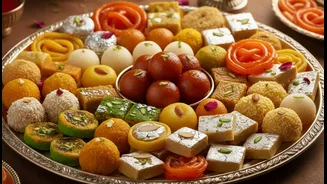
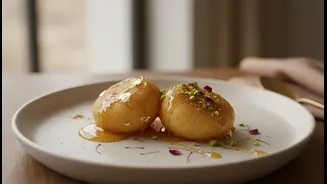
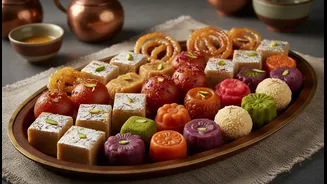
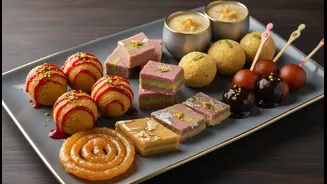
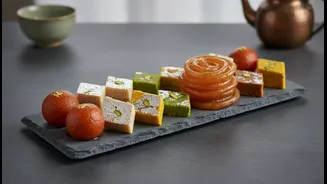
India's true dessert strength lies in its incredible diversity, with each region boasting its own unique sweet specialties based on local ingredients and traditions. This culinary treasure trove is now being rediscovered. From the delicate, chhena-based Sandesh of Bengal and the syrupy, spongy Rasgulla of the East to the rich, ghee-laden Mysore Pak of the South and the flaky Soan Papdi of the North, these regional gems are stepping into the spotlight. Consumers are exploring beyond the pan-Indian favourites, developing a palate for sweets that tell a geographical story. This revival celebrates the hyperlocal, reintroducing unique textures and flavour profiles that were once known only within their native communities.
The Millennial and Gen Z Influence
This shift is heavily driven by younger generations. Millennials and Gen Z, exposed to global trends through social media, have a dual appetite for novelty and authenticity. They are turning away from generic industrial products and seeking out food that feels both new and deeply rooted. For them, food is an expression of identity. Sharing a picture of a rare, artisanal mithai online carries more cultural cachet than a generic dessert. This digital-savvy demographic is curious, values quality over quantity, and is increasingly health-conscious, creating a fertile ground for brands that can offer traditional sweets with a modern, mindful twist.
The Rise of Artisanal 'Mithai-Wallas'
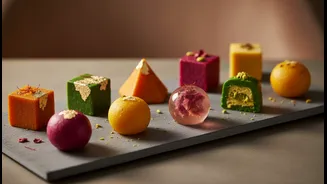
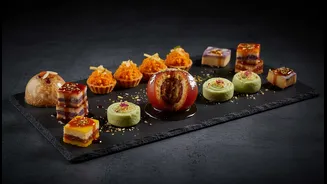
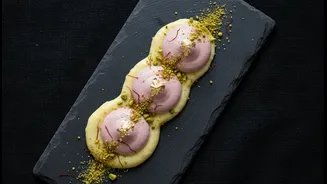
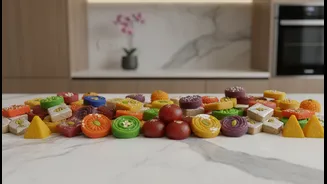
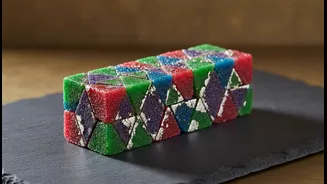
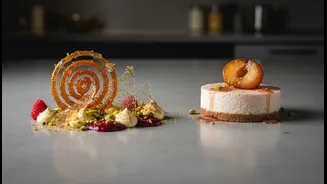
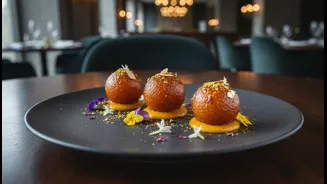
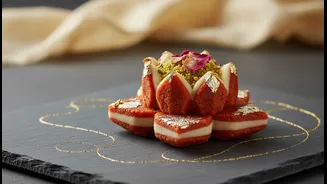
Answering this demand is a new wave of boutique sweet makers and artisanal brands. Companies like Khoya, Bombay Sweet Shop, and Arq are reimagining Indian mithai for a modern audience. They focus on high-quality, natural ingredients, sophisticated aesthetics, and innovative yet respectful flavour combinations like hazelnut pak or blueberry milk cake. These modern 'mithai-wallas' treat sweets like edible art, often with elegant, gift-worthy packaging that elevates the entire experience. They are not just selling sweets; they are curating a premium, cultural experience that blends tradition with contemporary finesse, making mithai cool again.
More Than Just a Sweet Treat
Ultimately, the turn toward regional mithai is about more than just dessert. It reflects a broader cultural movement towards celebrating local identity and heritage. In a globalised world, there is a growing desire to connect with something tangible and authentic. A piece of Peda from Mathura or a bite of Kozhikode Halwa is not just a sweet; it’s a taste of a place, a tradition, and a memory. This trend signals that the future of Indian indulgence lies in its rich past, where every flavour tells a story and every sweet is a celebration of our diverse culinary landscape.