




As November brings pleasant weather across India, your city balcony holds untapped potential. Don’t let a small space stop you from creating a green oasis. Here are some smart hacks to get your window-box garden thriving this season.
Choose Your November Champions
The first step to
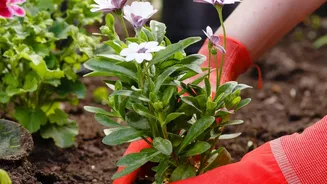
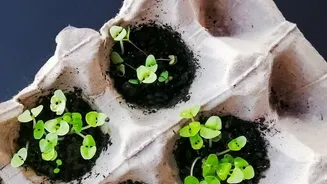
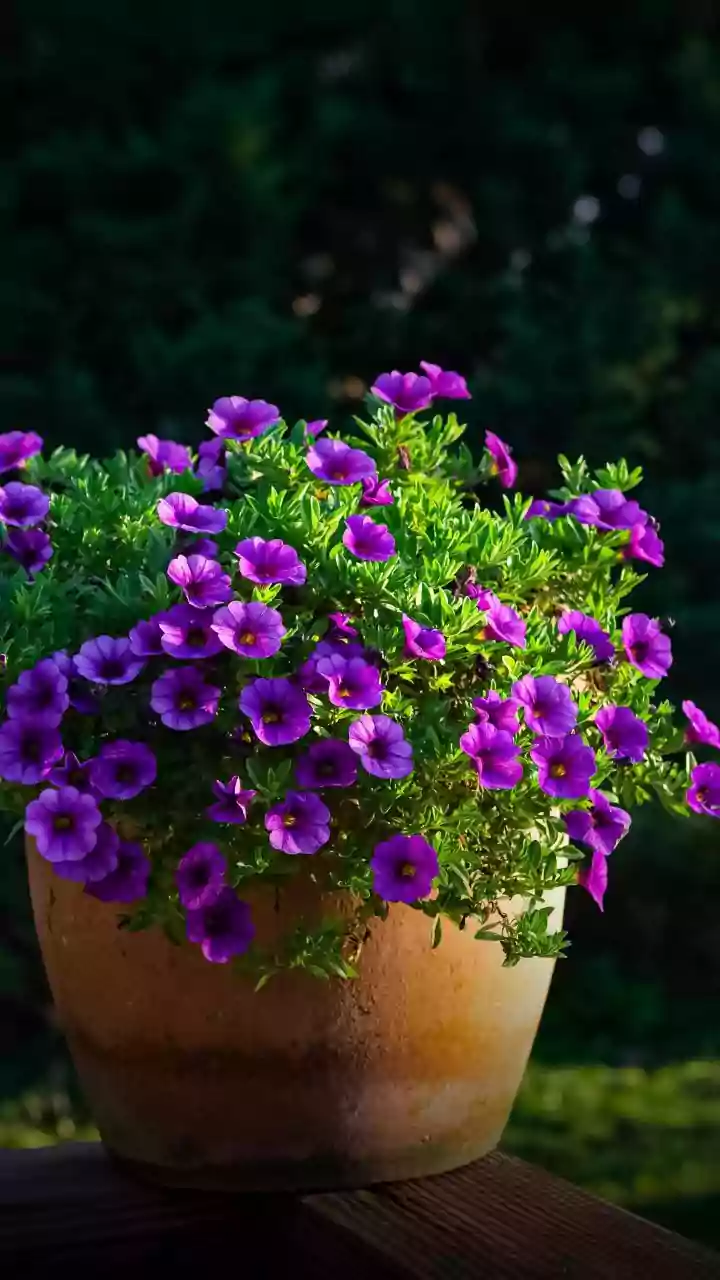
a vibrant balcony is choosing plants that love the current weather. November is the perfect time for planting winter flowers and vegetables in most parts of India. For a splash of colour, you can’t go wrong with marigolds (genda), petunias, pansies, and calendula. These flowers thrive in the cool nights and mild sunny days typical of the Indian winter and will bloom beautifully in pots and window boxes. If you fancy an edible garden, November is ideal for sowing leafy greens like spinach (palak), fenugreek (methi), and coriander (dhaniya). These grow quickly in containers and you can enjoy multiple harvests. For root vegetables, consider radishes (mooli) or short varieties of carrots, ensuring your pots are deep enough for them to grow.
Master the Perfect Potting Mix
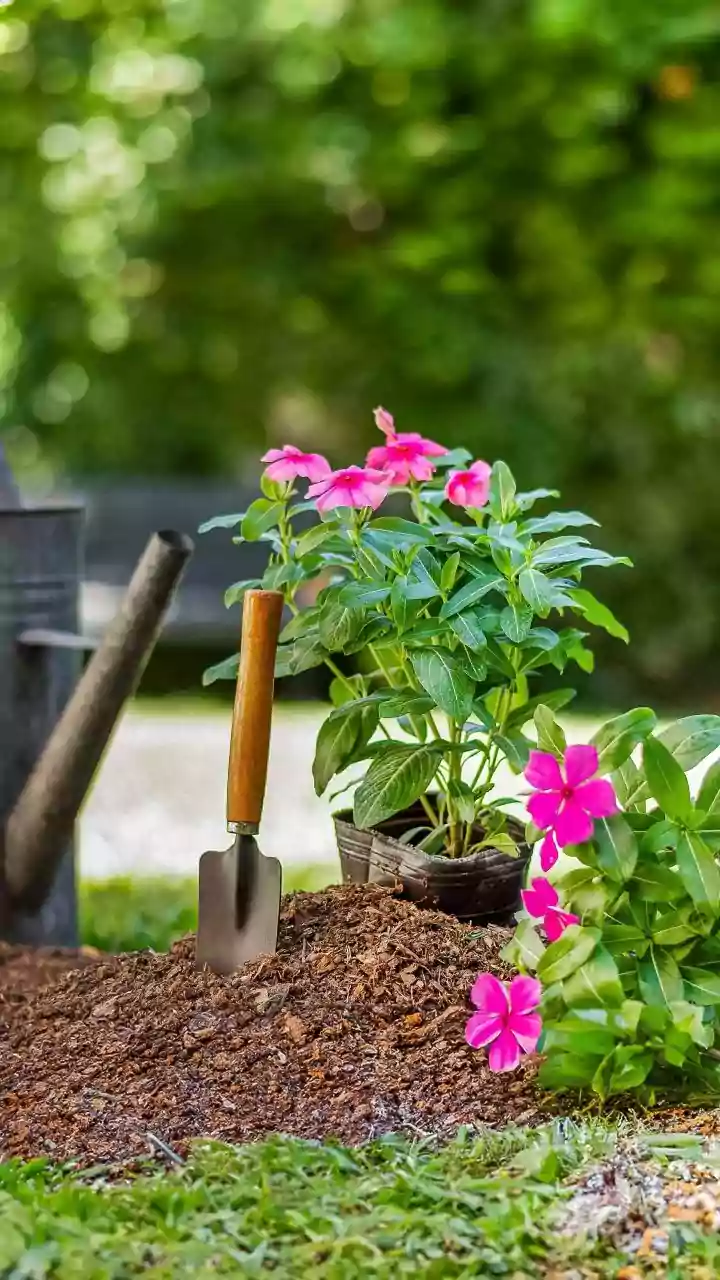
A common mistake for beginners is using plain garden soil in pots. In a container, regular soil becomes dense and compact, which can suffocate roots and lead to waterlogging. The hack is to create a lightweight, well-draining potting mix. A reliable formula for most Indian conditions is a blend of garden soil, compost (like vermicompost), and cocopeat. A good starting ratio is 40% garden soil, 30% compost, and 30% cocopeat. The soil provides structure, compost offers essential nutrients, and cocopeat helps retain moisture while keeping the mix airy. For vegetables that are heavy feeders, you can slightly increase the compost percentage. This simple blend ensures your plants get the drainage, aeration, and nutrition they need to flourish in a confined space.
Think Vertical, Not Just Horizontal
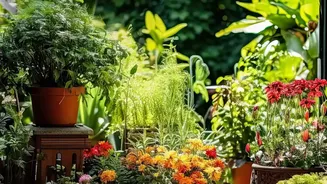
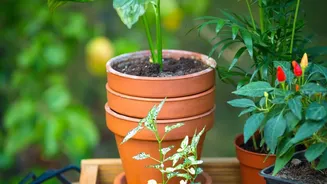
When you have a small city apartment, floor space is a premium. The smartest hack is to go vertical. Instead of a row of pots on the ground, use your walls and railings. Railing planters are excellent for herbs and flowers, instantly adding life without taking up any floor area. Hanging baskets are perfect for trailing plants like petunias or money plants, creating a beautiful cascading effect. You can also use tiered or ladder-style plant stands to hold multiple pots in the footprint of just one. These vertical gardening techniques not only save space but also create a lush, layered green wall that makes your balcony feel like a private jungle.
Smart Watering and Feeding
Container plants dry out faster than those in the ground, but overwatering is just as dangerous. The trick is to check the soil. Water only when the top inch feels dry to the touch. In the cooler November weather, your plants may need less frequent watering than in summer. Morning is the best time to water, as it allows the foliage to dry before the evening, reducing the risk of fungal diseases. When it comes to feeding, the compost in your initial potting mix will provide nutrients for the first few weeks. Afterwards, you can supplement with a liquid fertiliser every 15–20 days. For flowering plants like petunias, a potassium–rich feed will encourage more blooms.
Natural Pest Control from Your Kitchen
Pests can be a nuisance, but you don't need harsh chemicals in your home garden. A simple and effective organic pesticide is neem oil spray. Mix 5ml of neem oil with a litre of water and a few drops of liquid soap (to help it mix). Spray this on your plants every 7–10 days as a preventive measure. It's effective against common pests like aphids and whiteflies. Another easy hack is a garlic–chilli spray. Blend a few cloves of garlic and chillies with water, strain the mixture, and spray it on your plants to repel insects. These natural solutions are safe, cheap, and keep your edible and flowering plants healthy without harmful residues.