


Understanding the Fungal Threat
The high humidity after the monsoon is the main culprit. Your dog's skin and coat can remain damp for hours after a walk, creating the ideal warm, moist environment where fungi like Yeast (Malassezia) and Ringworm thrive. These fungi are often naturally
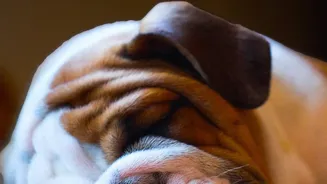
present on a dog's skin but can overgrow when conditions are right, leading to intense itching, redness, hair loss, and a distinct musty odour. Areas like paws, ears, skin folds, and armpits are particularly vulnerable.
Master the Post-Walk Routine
Prevention starts the moment you walk back through the door. This step is non-negotiable. Always have a dedicated, clean towel ready. Thoroughly dry your dog's entire body, paying special attention to their paws, the areas between their toes, their belly, and their ears. For dogs with long or thick fur, a towel might not be enough; consider using a pet-friendly hair dryer on a low, cool setting to ensure their undercoat is completely dry. Avoid letting your dog air-dry, as trapped moisture is the primary cause of these infections.
Focus on Paw and Ear Care
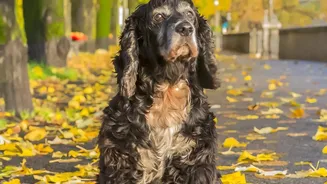
Paws and ears are hotspots for fungal growth. After cleaning and drying their paws, check between the pads for any redness, swelling, or debris. Trimming the hair around the paws can also help prevent moisture from getting trapped. Ears, especially on floppy-eared breeds, can trap a lot of moisture. Gently wipe the visible parts of your dog's ears with a dry cloth or a vet-approved cleaning solution after they get wet. Never poke anything deep into the ear canal.
Create a Dry Haven at Home
Your home environment plays a huge role. Fungi thrive in damp spaces, so keeping your house dry is crucial. Wash your dog's bedding, toys, and collars frequently in hot water and ensure they are completely dry, preferably in direct sunlight which has natural sterilising properties. Using a dehumidifier can help maintain optimal indoor humidity levels. Avoid leaving damp towels or raincoats lying around where your dog might rest.
Grooming and Diet for Defence
Regular grooming is a key preventive measure. Daily brushing helps to remove loose fur and debris, improve air circulation to the skin, and allows you to spot any potential issues early. Consider using a vet-recommended antifungal shampoo for baths during this season. Furthermore, a strong immune system is the best defence. Ensure your dog is on a balanced, high-quality diet. Some vets may recommend probiotics or other supplements to boost skin health from the inside out, but always consult your veterinarian before adding anything new to their diet.
Know the Warning Signs
Even with the best care, infections can happen. Be vigilant for the common symptoms. Look for incessant scratching, licking, or chewing of a particular spot. Check for red or inflamed skin, which might feel greasy or have a scaly, crusty texture. Other signs include patches of hair loss, often in a circular pattern for ringworm, and a persistent musty or cheesy odour. If you notice any of these signs, it's time to seek professional help.