



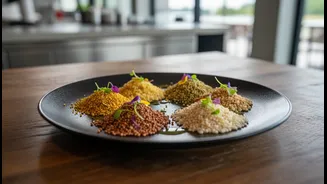



The Anatomy of a Perfect Bite
Think about the last truly memorable dish you ate. Chances are, it wasn’t just one-note; it was a symphony of flavours. This is the essence of the spicy, tangy, and fresh formula that has captivated diners across India. At its core, this trend is about creating
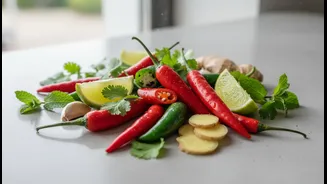
a multi-layered sensory experience in every mouthful. The initial kick of spice from chillies or pepper awakens the palate, which is then brightened by a zesty, tangy element like tamarind, lime juice, or raw mango powder (amchur). Finally, a burst of freshness from ingredients like coriander, mint, or crisp onions cuts through the richness, leaving you refreshed and ready for the next bite. This isn't a new concept—it’s the very soul of Indian chaat, a street food category beloved for its explosive combination of textures and tastes. What is new, however, is how chefs are borrowing this philosophy and applying it to everything from appetisers to main courses and even cocktails.
From Street Staple to Gourmet Statement
For generations, the 'chatpata' flavour profile—that irresistible mix of spicy and tangy—has been the king of Indian street food. Pani puri, bhel puri, and aloo tikki are all built on this foundation of balanced contrasts. Today, what was once served in a humble leaf bowl is now being plated with artistic flair in high-end restaurants. Chefs are deconstructing and reimagining these familiar flavours, proving that the principles of chaat are sophisticated enough for fine dining. This elevation is partly a response to a more adventurous Indian diner. As global cuisines like Mexican, Thai, and Vietnamese—all of which celebrate the spicy-tangy-fresh trifecta—become more popular in India, palates have expanded. There's a growing appreciation for complex, bold flavours over simple, one-dimensional heat or sweetness. Diners are actively seeking out food that excites and surprises them.
The Rise of 'Fricy' and Conscious Eating
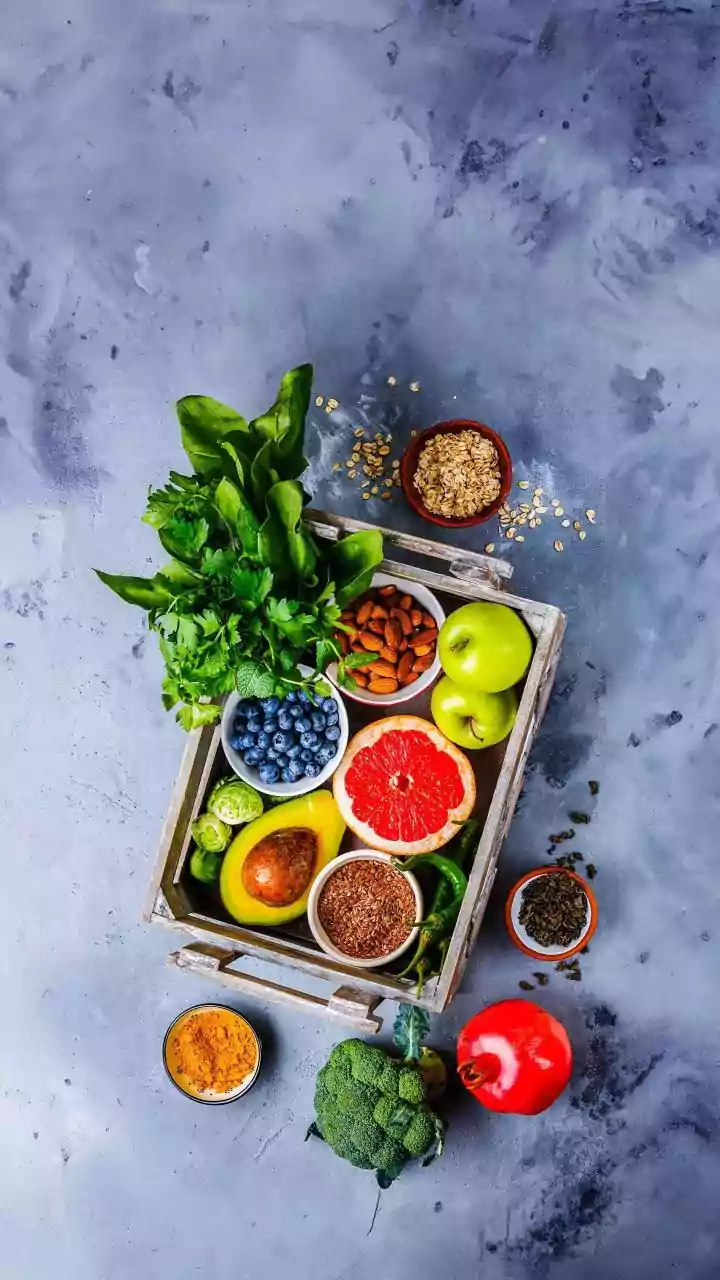
A fascinating offshoot of this trend is the rise of 'fricy'—a portmanteau of fruity and spicy. Think pineapple dusted with chilli powder or watermelon with a sprinkle of chaat masala. This pairing leverages the natural sweetness and high water content of fruit to balance the heat of spices, creating a refreshing yet complex taste. This movement also aligns perfectly with a broader shift towards healthier, more mindful eating. The 'fresh' component of the formula often involves raw or lightly cooked vegetables, fresh herbs, and citrus juices, which are packed with nutrients and feel lighter on the stomach. Using fresh spices and herbs, instead of processed alternatives, not only delivers a more authentic and vibrant flavour but also avoids artificial additives. As consumers become more health-conscious, this formula offers a way to enjoy bold, exciting food without compromising on wellness.
How to Master the Formula at Home
The beauty of the spicy, tangy, and fresh formula is its accessibility. You don’t need to be a professional chef to bring these exciting flavours into your own kitchen. Start simple. A squeeze of fresh lime juice over your dal or sabzi can instantly brighten the dish. Keep a jar of good quality chaat masala on hand; a sprinkle can transform a simple fruit salad or a bowl of yoghurt. Experiment with fresh herbs. Instead of using only dried spices, finish your dishes with a generous handful of chopped coriander or mint. This adds a final layer of aroma and freshness that lifts the entire meal. Even your snacks can get an upgrade. Try tossing roasted peanuts with finely chopped onions, tomatoes, green chillies, and a dash of tamarind chutney for a quick, homemade chaat that hits all the right notes.