




A Canyon of Cosmic Scale
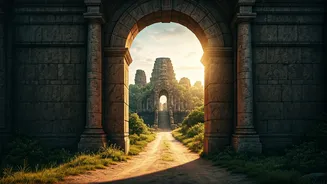
The first glimpse of Gandikota is a moment that stills the mind. After travelling through the relatively flat, arid landscape of the Rayalaseema region, nothing prepares you for the sudden, dramatic reveal. You walk past the imposing stone walls of an ancient
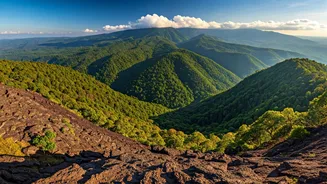
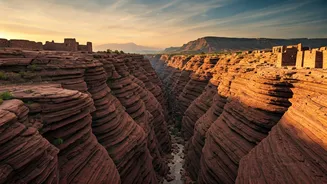
fort, and then the ground simply falls away. Spread before you is a breathtaking panorama of rust-coloured, layered sandstone cliffs, carved into fantastical shapes by millennia of wind and water. Far below, the Pennar River snakes through the valley floor like a ribbon of green silk. The sheer scale is dizzying, the silence broken only by the wind whistling through the canyons. It’s this profound sense of isolation and raw, elemental beauty that makes it feel entirely otherworldly.
India’s Own Natural Wonder
Often called the “Grand Canyon of India,” Gandikota is a geological masterpiece. The gorge has been sculpted over millions of years by the Pennar River cutting through the Erramala hills. The rock formations tell a story of deep time, with visible layers of sandstone, shale, and limestone stacked like pages in a planetary history book. Unlike its more famous American counterpart, Gandikota remains relatively untouched by mass tourism, offering a more raw and personal connection with nature. Its beauty is not just in its scale, but in its textures and colours, which shift dramatically with the changing light, from soft pinks at dawn to a fiery, Martian red at sunset.
Whispers from a Forgotten Fort
Gandikota is more than just a natural wonder; it is a historical treasure chest. The name itself, ‘Gandi’ (gorge) and ‘Kota’ (fort), points to its dual identity. Perched on the canyon’s edge is the formidable Gandikota Fort, a silent sentinel that has witnessed centuries of history. Built in the 13th century, this fort has been the seat of power for various dynasties, including the Pemmasani Nayaks, the Vijayanagara Empire, and the Qutb Shahis of Golconda. Its strategic location made it nearly impregnable. Walking through its gates feels like stepping back in time. The massive stone walls, moats, and bastions speak of a time of kings, sieges, and epic battles, all played out against the backdrop of this sublime landscape.
Exploring the Ruins Within
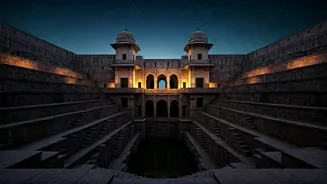
Inside the fort’s sprawling complex, history lies scattered in beautiful ruins. Two stunning temples stand in close proximity, a testament to the region’s syncretic past. The Madhavaraya Temple, with its intricate carvings and towering gopuram, showcases the grandeur of Vijayanagara architecture. Nearby, the Ranganatha Swamy Temple, though more modest, possesses its own quiet charm. A short walk away is the Jumma Masjid, a graceful structure with elegant minarets that reflect the fort’s later Islamic influence. You can also explore the large granary, a jail, and various other structures that once supported a bustling community within these walls. Each ruin has a story, adding layers of human drama to the geological spectacle outside.
An Ethereal, Unforgettable Experience
To truly appreciate Gandikota's magic, you must experience it at the edges of the day. A sunrise here is a spiritual event, as the first rays of light slowly illuminate the canyon, revealing its depth and contours. Sunsets are equally spectacular, setting the sandstone ablaze in fiery colours. As dusk settles, the real show begins. With minimal light pollution, the sky over Gandikota transforms into a dazzling canopy of stars, so clear and bright they feel within arm’s reach. Whether you are an adventure seeker looking to kayak on the Pennar, a history buff exploring the ruins, or simply a soul in search of silence and beauty, Gandikota offers an experience that feels disconnected from the modern world—a brief, unforgettable visit to another planet.