

From a leopard padding silently through a Mumbai suburb to a monkey navigating the markets of Delhi, our cities are teeming with wildlife. But this isn't just about animals finding new homes; it's about them fundamentally changing who they are.
The New Rules of the Urban Jungle
As cities
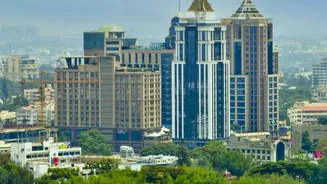
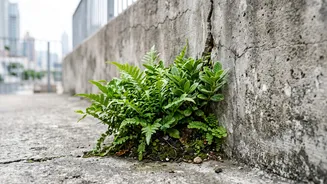
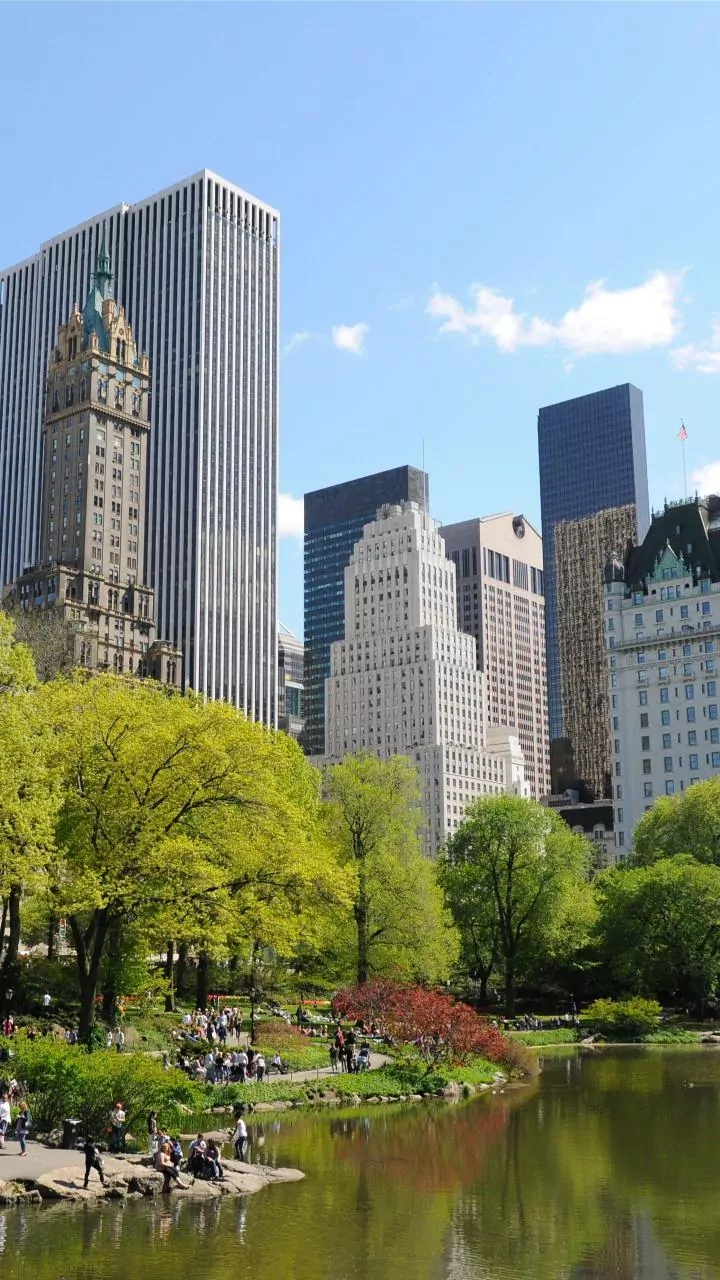
expand, they transform natural landscapes into a complex maze of concrete, glass, and constant human activity. For many species, this is a disaster. But for a select few, it's a new kind of ecosystem, one that rewards flexibility and rapid learning. These 'urban exploiters' are not just surviving; they are thriving by rewriting their own rules. The animals that succeed are the ones capable of adjusting their behaviour to meet the unique challenges of city life, such as finding novel food sources, avoiding human disturbance, and communicating in noisy environments. This process forces a kind of rapid, on-the-fly evolution where cleverness and adaptability are the most valuable traits.
A Shift in the Daily Schedule
One of the most common adaptations is a change in timing. Many animals that would naturally be active during the day have become increasingly nocturnal to avoid the rush of human activity. Bobcats in Calgary, for instance, remain secretive by using the cover of night to hunt rabbits that feed on lawns. This temporal shift allows them to use the same space as humans, but at different times, minimising conflict. In some cases, artificial lighting can disrupt these cycles, causing birds to sing at odd hours or breed earlier in the season. These adjustments show a remarkable ability to read and react to the rhythm of the city, treating traffic patterns and work schedules as the new seasons.
Smarter Than Your Average Animal
Living in a city is a constant puzzle, and some animals are getting very good at solving it. Studies show that urban animals often display enhanced problem-solving skills compared to their rural counterparts. Raccoons have become famous for their ability to open complex latches on bins, a learned skill passed down through generations. Research has even shown that they will continue to solve puzzles even after a food reward is gone, suggesting a form of 'information foraging' or curiosity. This cognitive flexibility is a key advantage, allowing animals to exploit new resources, from discarded food to unconventional shelter in attics and drains.
The Changing Sound of the City
The constant din of traffic, construction, and human chatter creates a challenging environment for species that rely on sound to communicate. To overcome this, many city birds have adapted by changing their tune. Species like blackbirds and great tits have been observed singing at a higher pitch in urban areas. This adjustment helps their songs cut through the low-frequency rumble of the city, ensuring they can still attract mates and defend their territory. Some studies suggest this is also a byproduct of simply singing louder to be heard; when birds increase their volume, the pitch of their song naturally rises. It’s a direct response to the soundscape we've created.
Lessons from Indian Metros
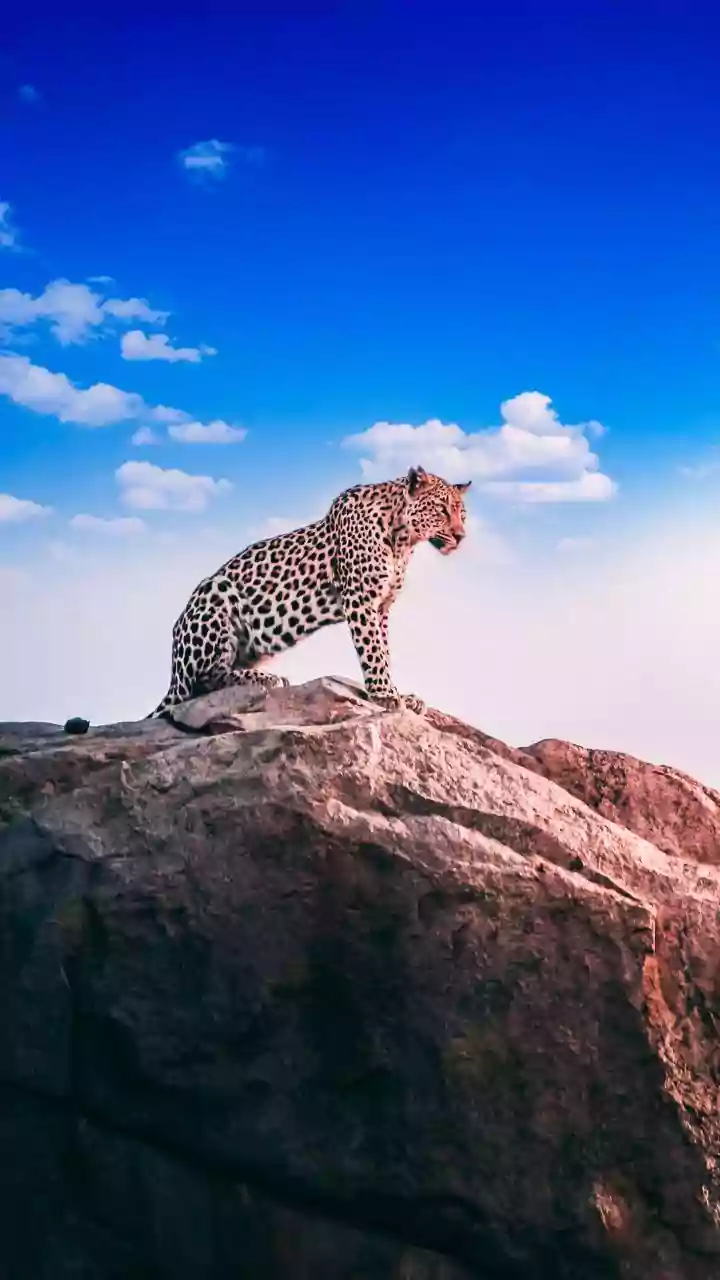
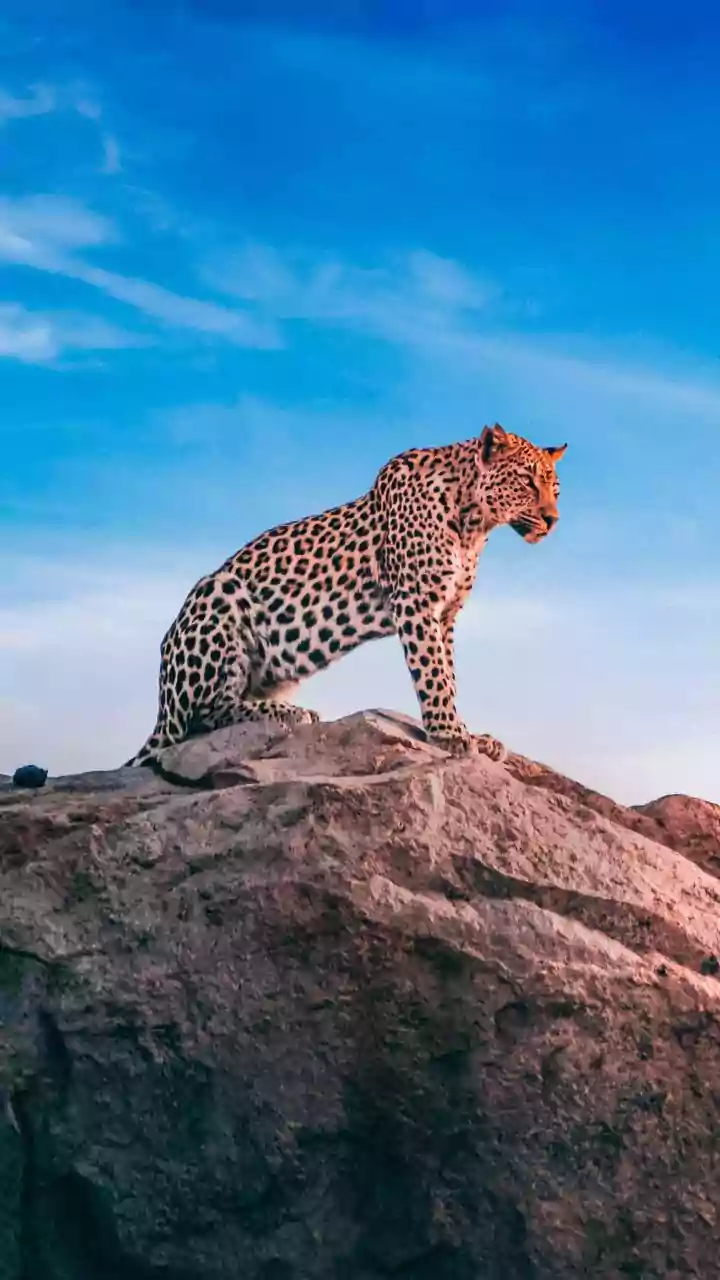
Indian cities provide striking examples of this phenomenon. In Mumbai, leopards in and around Sanjay Gandhi National Park have adapted to the dense urban landscape. They use overgrown drains and railway lines to move stealthily, primarily hunting the city's large population of stray dogs at night. This adaptation has an interesting side effect: by controlling the stray dog population, the leopards may indirectly reduce the incidence of rabies and dog bites. Meanwhile, in cities like Delhi and Jaipur, rhesus macaques have become expert urbanites, using temples and buildings as their forests and learning the schedules of local markets to secure food. These examples highlight a complex and evolving relationship at the urban-wildlife interface.