


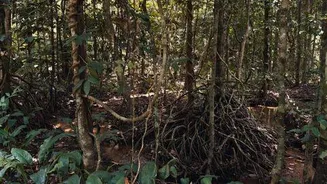
A New Blueprint for Conservation
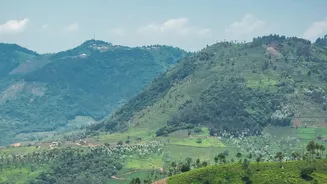
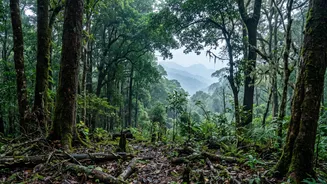
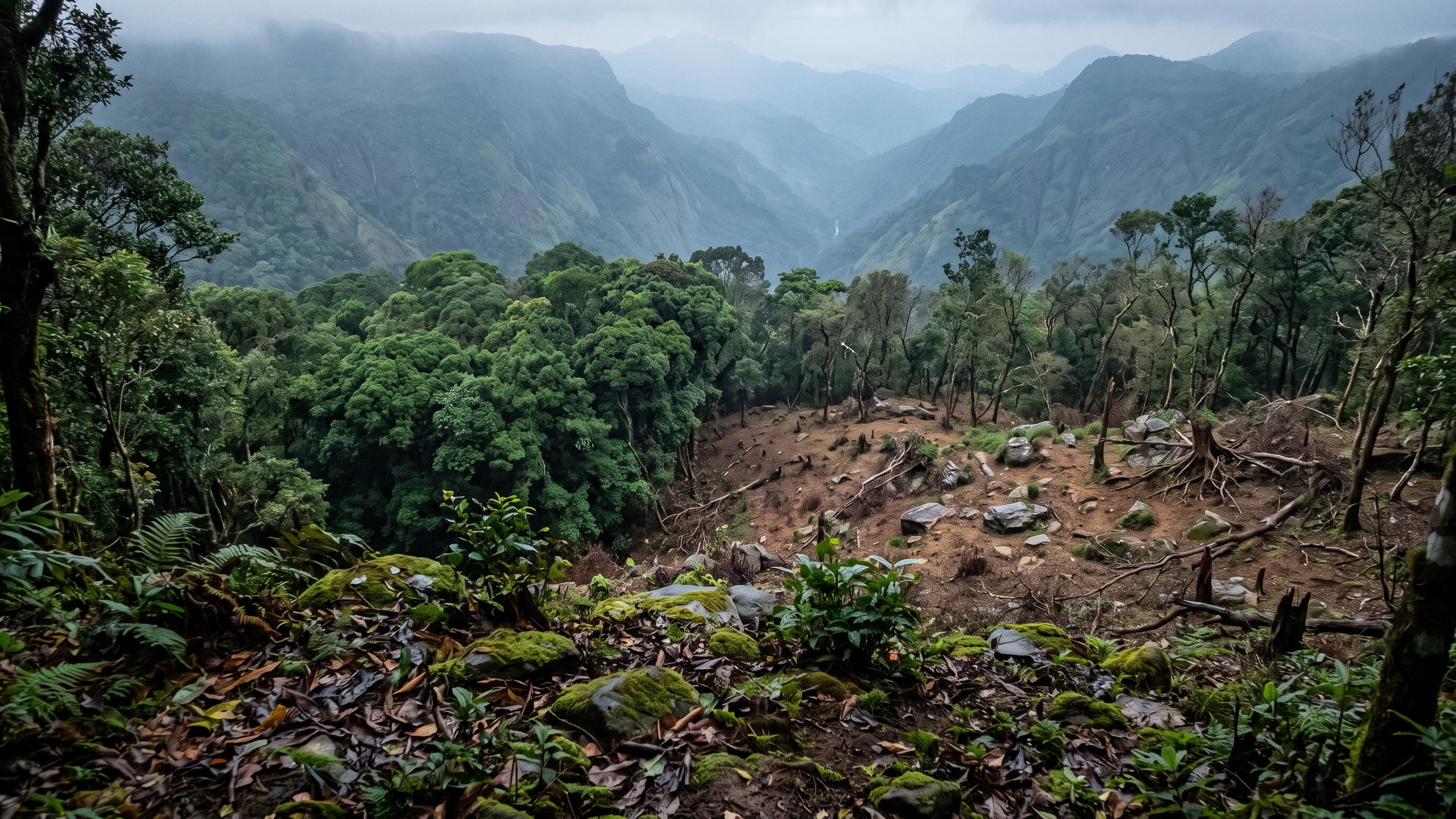
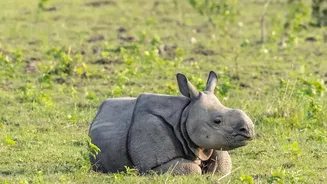
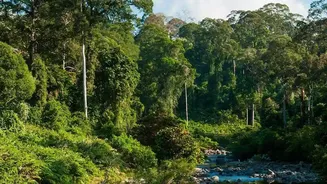
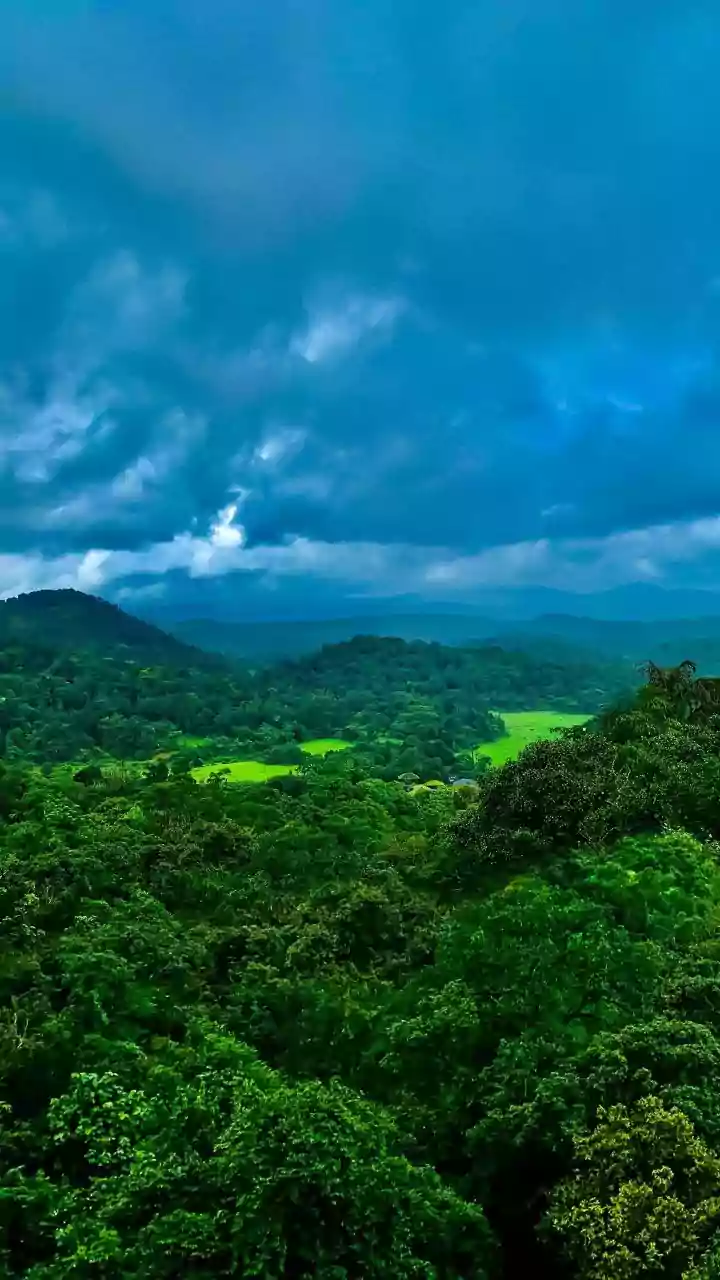
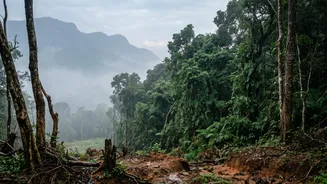
Kerala is home to a staggering portion of India's plant and animal life, much of it concentrated in the globally recognized Western Ghats biodiversity hotspot. But these rich ecosystems face persistent threats from habitat loss and developmental pressures.
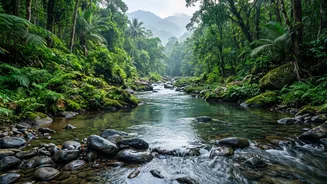
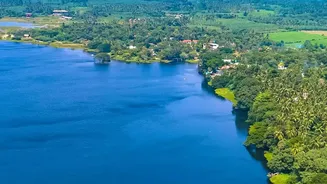
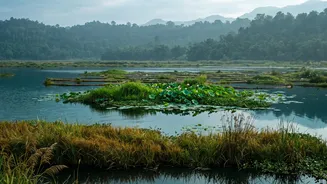
To counter this, the state is moving beyond broad conservation strokes and adopting a data-driven approach. A key development is the recent launch of India's first state-level Red List Assessment of Ecosystems (RLE) by the Kerala State Biodiversity Board (KSBB). This initiative shifts the focus from saving individual species to assessing the collapse risk of entire ecosystems, like forests, rivers, and coastal habitats. By applying the rigorous framework of the International Union for Conservation of Nature (IUCN), the state can now classify its natural landscapes as 'Critically Endangered', 'Endangered', or 'Vulnerable', creating a clear, scientific basis for action.
From Data to Decisions
The Red List Assessment is not just an academic exercise. Its findings are designed to directly influence policy and funding. The project will produce an official Risk Register, an Ecosystem Typology Atlas, and ecorestoration priority maps. This information is then integrated into state planning portals, making it accessible to the very people responsible for grassroots action: local panchayats and Biodiversity Management Committees (BMCs). The entire process is decentralized. Kerala was the first state to establish BMCs in all of its local government bodies. A foundational tool for these committees is the People's Biodiversity Register (PBR), a detailed document cataloging local bio-resources and traditional knowledge, prepared with community participation. When the state updates its overarching Kerala State Biodiversity Strategy and Action Plan (SBSAP), it draws upon these local inputs and scientific assessments to identify threats and set priorities for the next decade.
The Funding Mechanism in Action
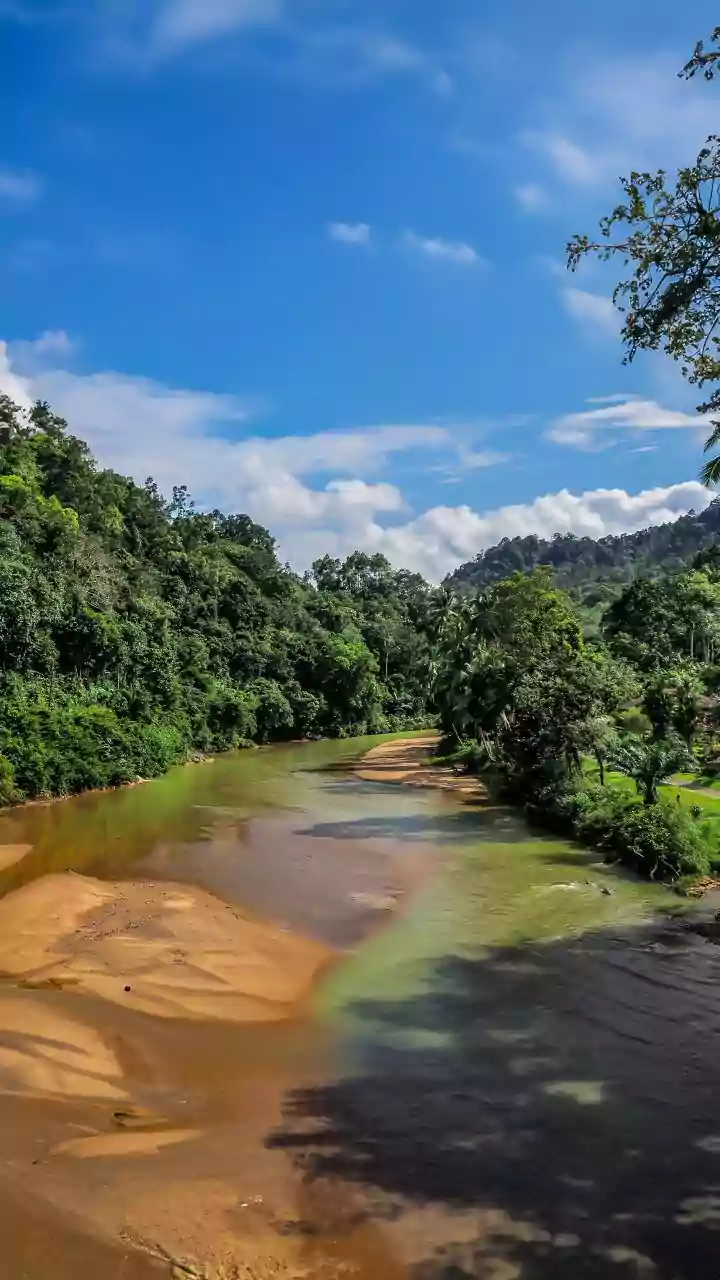
Funding for conservation projects flows through bodies like the KSBB, an autonomous organization established under India's Biological Diversity Act. The board funds projects directly, and the scientific assessments help determine where money is most needed. For example, if a PBR highlights a decline in a specific species, or the Red List identifies a mangrove ecosystem as endangered, the BMC can propose a project that the KSBB can choose to fund. Success stories are already emerging from this model. The Avasatheeram project, funded by KSBB, is working to restore vital mangrove forests. In other areas, KSBB funding has supported the restoration of rivers, the creation of tuber crop conservatories, and conservation projects for the vulnerable Olive Ridley sea turtle. Another crucial funding stream is Access and Benefit Sharing (ABS), which requires companies that commercially use local bio-resources to share a percentage of their revenue. This money goes directly to the local bodies, creating a self-sustaining cycle where villagers are incentivized to become the protectors of their natural resources.
Challenges and the Path Forward
Despite these innovative systems, significant challenges remain. Weak institutional coordination can lead to fragmented efforts, and the constant pressure for development often clashes with conservation goals. Ensuring the PBRs are consistently updated and that the data they contain is accurate and accessible is a continuous process. However, the commitment to an evidence-based approach marks a paradigm shift. By systematically mapping its ecosystems, identifying risks, and empowering local communities with both knowledge and financial resources, Kerala is creating a resilient and responsive conservation strategy. It's a model that acknowledges that protecting biodiversity requires more than just goodwill; it requires a plan, and that plan must be guided by science.