



The Next Big Leap for Your Ride
For years, the lithium-ion battery has been the heart of the electric vehicle revolution. It powers everything from smartphones to electric cars and, crucially, the millions of electric scooters and motorcycles zipping through Indian cities. But this
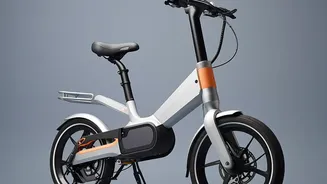
technology is approaching its limits. Enter the solid-state battery, a next-generation energy solution that promises to be a game-changer, especially for the cost-sensitive and performance-hungry two-wheeler market. This isn't just a minor upgrade; it's a fundamental shift that could finally make electric mobility the default choice for every Indian.
What Exactly Are Solid-State Batteries?
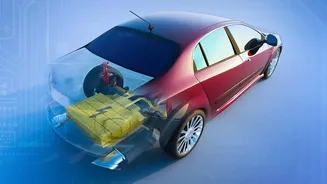
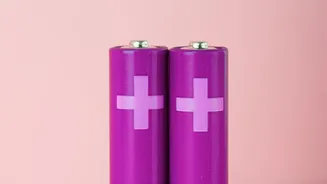
In a conventional lithium-ion battery, charged particles move through a flammable liquid electrolyte to generate power. A solid-state battery, as the name suggests, replaces this liquid with a solid material, such as a ceramic or polymer. This simple change has massive implications. Think of it as upgrading from a water balloon that can leak or burst to a solid, stable brick. This solid construction is not only more compact but also eliminates the primary cause of battery fires: the flammable liquid. This inherent safety is a huge selling point, addressing one of the biggest concerns for potential EV owners.
More Kilometres, Less Waiting
The benefits of a solid electrolyte go far beyond just safety. These batteries boast a significantly higher energy density, meaning they can store more power in the same amount of space, or the same amount of power in a much smaller and lighter pack. For a two-wheeler, where weight and size are critical for handling and efficiency, this is a revolutionary advantage. It translates directly to a longer range on a single charge, tackling range anxiety head-on. Furthermore, solid-state technology allows for dramatically faster charging. Some prototypes have demonstrated the ability to gain significant range in just 10-15 minutes, a huge improvement over the hours it can take for current batteries to charge.
The Path to Lower Prices
While solid-state batteries are currently more expensive to produce than their lithium-ion counterparts, the long-term promise is a significant reduction in cost. This is because they can be made with more abundant materials and have a simpler design. For instance, the improved thermal stability means they don't require the complex and costly cooling systems that are mandatory in today's battery packs. As manufacturing techniques are refined and scaled up, experts predict that the cost per kilowatt-hour will fall dramatically, making the most expensive component of an electric two-wheeler significantly cheaper. This will directly translate to a lower showroom price for consumers.
Who Is Leading the Charge in India?
The race to commercialize solid-state batteries is global, with major automotive and tech companies investing billions. While international players are setting the pace, the Indian ecosystem is not standing still. Companies like GODI and Inventus Power are actively developing homegrown solid-state technologies. Established players in the EV space are also keenly watching these developments. As the technology matures, we can expect collaborations and indigenous production to ramp up, ensuring that the benefits of this new technology are localized for the Indian market's specific needs and price points.
When Will We See Them on Indian Roads?
This is the crucial question. While some high-end electric motorcycles featuring the technology are becoming available internationally, mass-market adoption is still a few years away. Industry analysts suggest that the first applications in the two-wheeler space will be in premium models around 2027 or 2028. Following that, as production scales and costs come down, we can expect to see solid-state batteries become a common feature in affordable electric scooters and bikes by the end of the decade. The transition will likely be gradual, but the direction is clear: the future of electric two-wheelers is solid.