
The Science of a Sad, Limp Carrot
To understand why carrots go soft, you have to think of them as a complete plant. The vibrant green tops aren't just for decoration; they are leaves, and leaves have one primary job: photosynthesis. A key part of this process is transpiration, where the leaves release
water vapor into the air. Even after a carrot is pulled from the ground, its leafy tops continue to function, acting like tiny straws that relentlessly pull moisture up from the root—the part we eat. This moisture extraction is the number one culprit behind a carrot losing its signature snap. By leaving the greens attached, you are essentially telling the plant to keep breathing, and in doing so, it dehydrates the root, leaving it pliable and far less sweet.
The Simple Snip for Lasting Freshness
The solution is as simple as it is effective: remove the tops as soon as you get your carrots home. Trim the greens down to about an inch from the top of the carrot. This single action immediately halts the moisture-sucking process, preserving the water content and cellular structure within the root. With the leafy 'straws' gone, the carrot can no longer lose significant amounts of water through transpiration. This allows the root to maintain its turgor pressure—the force of water against the cell walls—which is what gives it that satisfyingly crisp and crunchy texture. You'll be preserving not just the crunch, but also the sugars and nutrients that would otherwise be depleted by the thirsty leaves.
The Best Way to Store Your Topped Carrots
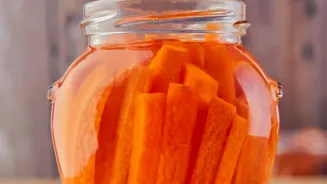
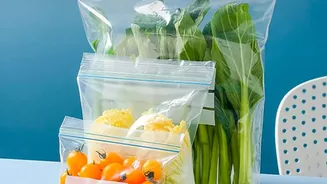
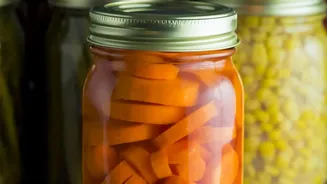
Once the tops are off, proper storage is the next step to extend their life for weeks, or even months. First, don't wash the carrots until you are ready to use them; a little dirt can protect the skin, and excess moisture during storage can encourage mold or rot. The ideal environment is cool and humid. The crisper drawer in your refrigerator is perfect. For best results, place the unwashed, topped carrots in a sealed plastic bag or a container. Some experts even suggest submerging them in a container of water in the fridge, changing the water every few days to maintain ultimate crispness. Storing them this way prevents them from drying out in the cold, dry air of the main refrigerator compartment.
Don't Waste Those Wonderful Greens
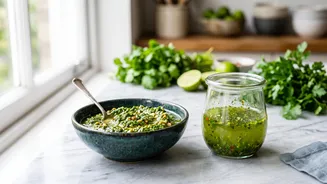
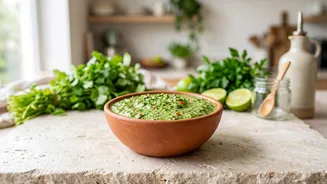
Before you toss those trimmed tops into the compost, know that you're throwing away a delicious and nutritious ingredient. Carrot greens are perfectly edible, with a flavor often described as a cross between a carrot and parsley. They are packed with vitamins A, C, and K, as well as potassium. The most popular use is to blend them into a vibrant pesto, which can be used on pasta, sandwiches, or fish. You can also chop them finely and add them to salads, toss them into soups for an herbaceous kick, or sauté them with garlic and olive oil as a side dish. By using the tops, you embrace a zero-waste approach to your cooking, getting two ingredients from one vegetable.