




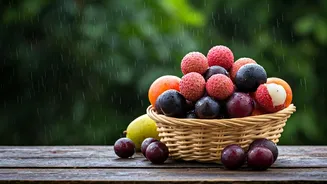


Jamun (Indian Blackberry)
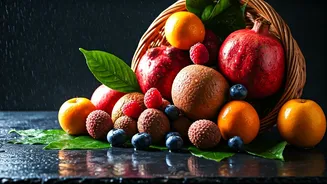
Deep purple and delightfully tangy, jamun is a quintessential monsoon fruit in India. It's celebrated not just for its unique flavour but also for its impressive health benefits. Jamun is rich in iron, vitamin C, and antioxidants, which help boost immunity
and improve haemoglobin levels. Traditionally, it's known for its ability to help regulate blood sugar levels, making it a good choice for those managing diabetes. Its astringent properties can also aid in digestion and help with common stomach issues that arise during the monsoon. With a short season, it's best to enjoy this superfruit while it lasts.
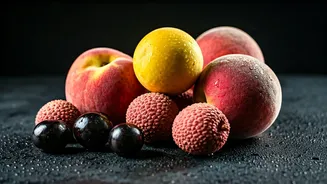
Litchi
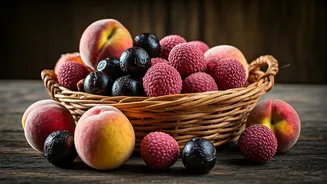
The arrival of litchis is a sweet sign that the monsoon is near. These juicy, translucent globes are packed with vitamin C, a powerful antioxidant that strengthens the body's natural defences against seasonal infections. Litchis are also a good source of dietary fibre, which aids digestion and can help prevent issues like constipation. Their high water content helps keep you hydrated in the humid weather. Beyond their sweetness, they contain compounds that have anti-inflammatory properties, making them a refreshing and healthy snack.
Peaches (Aadu)
This fuzzy stone fruit becomes widely available in Indian markets during the rainy season. Peaches are loaded with essential nutrients, including vitamins A and C, which are crucial for a strong immune system and healthy skin. The fibre content in peaches promotes good digestion and can contribute to a feeling of fullness, helping with weight management. Furthermore, peaches are a good source of antioxidants that protect the body from cellular damage and can help reduce inflammation.
Cherries
Vibrant red and full of flavour, cherries are another popular monsoon treat. They are an excellent source of antioxidants and anti-inflammatory compounds, which can help protect your body from chronic diseases and infections common during this season. Cherries are also rich in potassium, which helps in regulating blood pressure. Interestingly, they contain melatonin, a hormone that can help improve sleep quality. As joint pain can sometimes increase during the rainy season, the anti-inflammatory properties of cherries may offer some relief.
Plums (Aloo Bukhara)
Plums, with their sweet and tangy taste, are a monsoon favourite found in the hilly regions of India. They are packed with vitamin C, which helps bolster the immune system against colds and flu. Plums are particularly known for their high fibre content, containing sorbitol and isatin, which help relieve constipation and promote digestive health. These fruits are also a good source of antioxidants, which can improve blood circulation and help the body absorb iron more effectively.
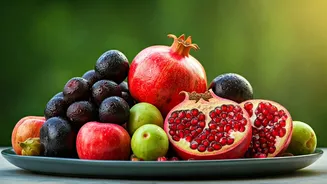
Pomegranate (Anar)
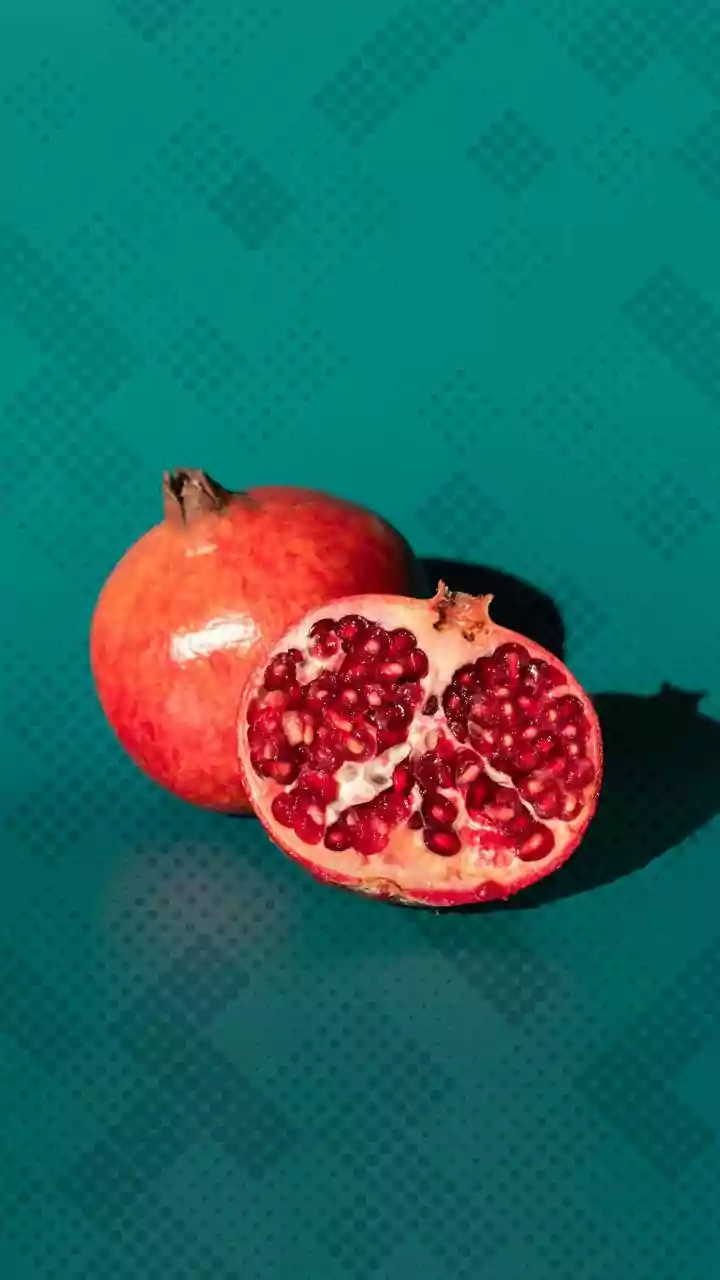
Pomegranates are a nutritional powerhouse available through the monsoon. Their jewel-like seeds are packed with some of the most powerful antioxidants, even more so than many other fruit juices. These compounds have anti-viral and anti-bacterial properties that are especially useful for fending off infections like the cold and flu during the rainy season. Pomegranates are also rich in vitamin C and fibre, which support the immune system and gut health, respectively. They help improve blood circulation and can aid in recovery from fatigue.