



The Golden Rule: The Temperature Danger Zone
Before diving into specifics, it's crucial to understand the most important concept in food safety: the 'Temperature Danger Zone'. According to food safety experts, this is the temperature range between 40°F (4°C) and 140°F (60°C). Within this zone, harmful
bacteria can multiply rapidly, sometimes doubling in number in as little as 20 minutes. The core principle of safe food handling is to keep perishable foods out of this danger zone as much as possible. This means keeping cold food truly cold and hot food truly hot.
Stage 1: Storing Raw Ingredients
Proper storage begins the moment you bring your groceries home. Raw meats, poultry, and fish are high-risk items and require careful handling. They should always be stored in sealed containers or leak-proof bags on the bottom shelf of your refrigerator. This prevents their juices from dripping onto and contaminating other foods. Your refrigerator should be set to 40°F (4°C) or below. Fresh poultry, fish, and ground meats should be cooked or frozen within two days. Other cuts of beef, pork, or lamb can typically be refrigerated for three to five days before cooking. Fresh produce has varying storage needs; some items do best at room temperature while others require refrigeration.
Stage 2: During Preparation and Marinating
Food safety is just as critical during the prep phase. Cross-contamination is a major risk here. Use separate cutting boards, utensils, and plates for raw meat and ready-to-eat foods like vegetables. When marinating, always do so in the refrigerator. Leaving meat to marinate on the counter places it squarely in the temperature danger zone. Never reuse a marinade that has been in contact with raw meat for basting cooked food unless you bring it to a rolling boil first to kill any bacteria. It's safest to discard it and use a fresh portion for serving.
Stage 3: The Risk of Partial Cooking
It can be tempting to partially cook food to finish it later, but this practice, known as 'par-cooking', can be dangerous. When you only partially cook food, you may raise its temperature into the danger zone, allowing bacteria to multiply without ever reaching the high heat needed to kill them. If you must interrupt cooking, it's critical to move the food immediately to the refrigerator to cool it down quickly. Do not leave partially cooked food sitting on the counter. The only truly safe methods are to cook the food completely or to keep it out of the danger zone entirely.
Stage 4: Storing Cooked Food and Leftovers
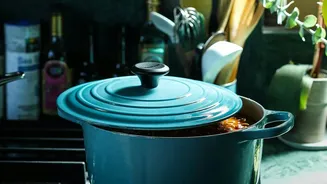
Once your meal is cooked, the two-hour rule comes into play. Perishable food should not be left at room temperature for more than two hours. If the ambient temperature is above 90°F (32°C), this window shrinks to just one hour. To store leftovers, cool them quickly. Divide large portions into smaller, shallow containers to help them cool down faster and more evenly. A large, deep pot of hot soup placed directly in the fridge can stay in the danger zone for hours as it struggles to cool from the center. Once refrigerated, most cooked leftovers should be eaten within three to four days.
The Final Step: Safe Reheating
Reheating isn't just about making food warm; it's about making it safe again. All leftovers containing meat or poultry should be reheated to an internal temperature of 165°F (74°C). Use a food thermometer to be sure. Sauces, soups, and gravies should be brought to a rolling boil. When using a microwave, cover the food and stir it partway through to ensure there are no cold spots where bacteria can survive. It is not recommended to use slow cookers or chafing dishes for reheating, as they may heat the food too slowly, leaving it in the danger zone for too long.