

Olinda, Pernambuco: A Living Colonial Canvas
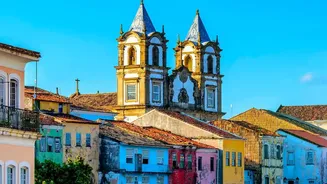
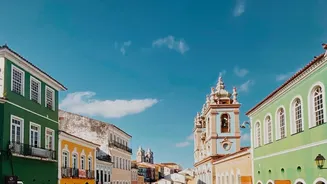
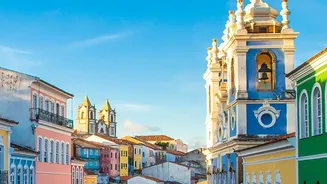
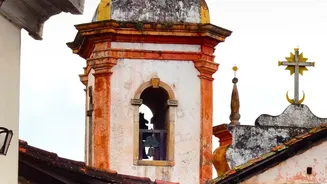
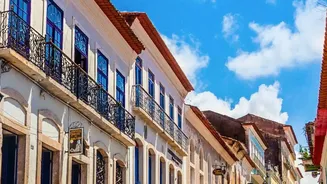
A UNESCO World Heritage site, Olinda is a maze of steep cobblestone streets, vibrant colonial houses, and baroque churches overlooking the Atlantic. Located just north of Recife, this city is a world away from its modern neighbour, offering a slower,
more artistic pace. Its history is a tumultuous one, marked by Portuguese and Dutch rule, which is reflected in its architecture. But Olinda is no mere relic; it's a thriving cultural hub. The Rua do Amparo is the heart of its art scene, lined with studios and galleries showcasing local talent. The city is also famous for its unique Carnival celebrations, featuring giant papier-mâché puppets known as 'Bonecos Gigantes'. Exploring Olinda is about appreciating this blend of past and present, where every colourful wall and winding lane tells a story.
Chapada Diamantina, Bahia: A Hiker’s Paradise
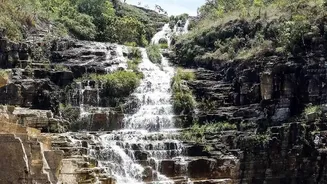
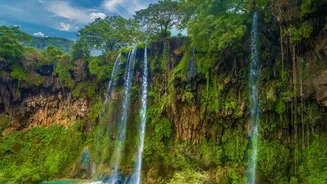
Deep in the heart of Bahia lies a landscape of dramatic flat-topped mountains, breathtaking canyons, and hidden waterfalls. Chapada Diamantina National Park, once the center of a 19th-century diamond rush, is now a treasure for ecotourists and hikers. The gateway town of Lençóis, with its preserved colonial-era charm, serves as the main base for exploration. From here, you can embark on treks to iconic sights like the Cachoeira da Fumaça, one of Brazil’s tallest waterfalls where the water turns to mist before hitting the ground. Otherworldly experiences await underground in the crystal-clear waters of Poço Azul and Poço Encantado, where sunbeams pierce the darkness to create a magical blue glow. This is a destination that feels remote and is still more popular with Brazilian tourists than international ones, offering a truly authentic adventure.
Inhotim, Minas Gerais: Art in the Wild
Imagine a 5,000-acre botanical garden where world-class contemporary art installations are seamlessly integrated into the landscape. That is Inhotim. Located near Belo Horizonte, it is one of the largest outdoor art centers in the world, founded by mining magnate Bernardo Paz. The experience is as much about the journey as the destination; visitors wander through lush gardens, past lakes, and among thousands of rare plant species to discover pavilions dedicated to renowned artists like Yayoi Kusama, Hélio Oiticica, and Anish Kapoor. The galleries and open-air works are scattered across the vast property, encouraging a personal and unhurried exploration where art and nature converse. It’s a space that redefines the museum experience, making it an immersive and unforgettable cultural pilgrimage.
Alter do Chão, Pará: The Amazon's Caribbean
When you think of the Amazon, white sand beaches and clear blue water might not come to mind, but that’s exactly what you’ll find in Alter do Chão. Dubbed the 'Brazilian Caribbean', this small riverside village in the state of Pará is a tranquil gem. From August to December, as the Tapajós River recedes, pristine freshwater beaches emerge, most famously the 'Ilha do Amor' (Island of Love), a stunning sandbar perfect for relaxing. Largely undiscovered by foreign tourists, it offers a laid-back alternative to more intense jungle excursions. Beyond the beaches, you can explore the surrounding forest, visit local communities to learn about Amazonian culture, and hike up Morro da Piroca for a panoramic view of the unique river landscape.
Ilha do Mel, Paraná: An Untouched Island Escape
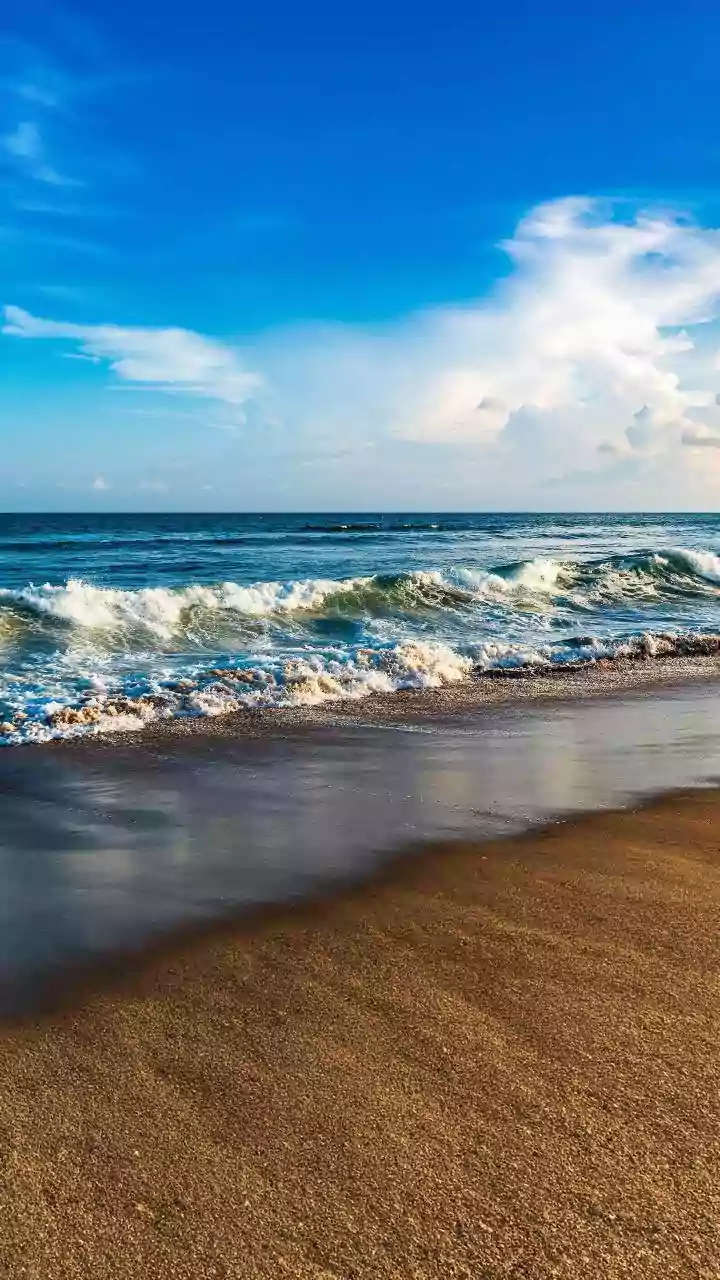
For a true escape, head to Ilha do Mel (Honey Island) off the coast of Paraná. This protected ecological station is a car-free paradise accessible only by boat. Visitor numbers are limited to preserve the island's pristine Atlantic rainforest, beaches, and mangrove ecosystems. Life here moves at the pace of a walk or a bike ride along sandy trails. The island is divided into a few small villages, including Nova Brasília and Encantadas, each offering rustic charm. Key attractions include the 19th-century Farol das Conchas lighthouse, which offers stunning views, and the historic Fortaleza de Nossa Senhora dos Prazeres, a fortress built in the 1700s. It’s a place for disconnecting from the modern world and reconnecting with nature in its purest form.