








A Nationwide Push for Safer Food
In response to growing public concern and recent high-profile food safety incidents, India is considering a significant expansion of its food safety regulations. The Food Safety and Standards Authority of India (FSSAI) is reportedly developing a comprehensive
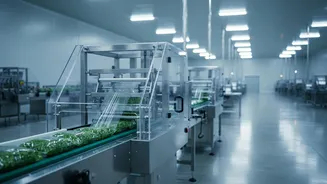
new framework to monitor the entire food supply chain. This 'farm-to-fork' approach aims to ensure that the food we eat is safe at every single stage, from the field where it is grown to the retail shelf where it is purchased. The goal is to create a more integrated and transparent system, moving beyond sporadic checks to continuous, system-wide surveillance. This represents one of the most ambitious potential overhauls of the country's food safety net in years.
Why Is This Happening Now?
Several factors are driving this potential policy shift. There has been a noticeable increase in consumer awareness and worry regarding food quality. Surveys indicate a large percentage of Indian consumers are concerned about issues like pesticide residue, chemical contamination, and adulteration. Furthermore, recent incidents have shaken public confidence. These include the discovery of contaminants in packaged foods and, crucially, the rejection of some Indian food consignments, particularly spices, by international authorities due to quality concerns. These events have highlighted weaknesses in the current system and created pressure for a more robust framework that can rebuild trust both at home and abroad.
From Farm to Fork: What Could Change?
The proposed 'farm-to-fork' model would introduce stricter checks at multiple points. At the farm level, this could mean more rigorous testing of soil, water, and the use of pesticides. For transportation, new rules might mandate better hygiene standards for vehicles and temperature controls for perishable goods to prevent spoilage and contamination during transit. Storage facilities, including warehouses and cold storage units, would face tighter scrutiny. Finally, at the retail level, expect more frequent and thorough checks for adulterants, expiry dates, and proper labelling. Some discussions have even included proposals for QR code-based tracking to ensure full traceability for food products, allowing authorities and even consumers to see a product's entire journey.
The Impact on Farmers and Businesses
While enhanced safety is the goal, the implementation poses significant challenges, especially for the backbone of India's food system: small farmers and businesses. For millions of small-scale farmers, the cost of complying with new testing and documentation standards could be a major burden. They may lack the resources and training needed to meet higher standards. Similarly, small transporters and local kirana stores might struggle to upgrade their infrastructure. Farmers' associations have already voiced concerns, asking for government support. On the other hand, larger, more organized players in the food processing and retail sectors, who may already have robust quality controls, could gain a competitive advantage.
What It Means for Your Dinner Plate
For the average consumer, the successful implementation of these measures would be a significant win. It could lead to a tangible improvement in the quality and safety of daily food items, from fresh vegetables to packaged goods. The aim is to reduce the risk of foodborne illnesses and ensure that what is written on the label is what is actually inside the package. It could foster greater confidence in the food system. However, the transition may not be seamless. Experts warn that implementation will be a monumental task given the fragmented nature of India's supply chain. In the short term, there could be disruptions, and potentially, a marginal increase in costs as businesses adapt to the new regulatory environment.