





The Great October Migration
October marks the beginning of India's peak festival season, triggering a massive wave of travel across the country. For millions working in metropolitan hubs, this is the cherished time to return to their hometowns for Dussehra and to prepare for Diwali.
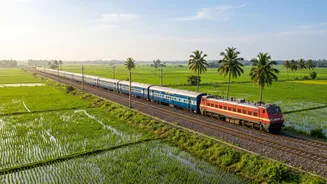
This annual pilgrimage places an immense strain on the rail network. Trains on high-demand corridors, especially those connecting major cities like Mumbai, Delhi, and Bengaluru to states like Uttar Pradesh, Bihar, and West Bengal, get booked out within minutes of reservations opening. The surge in passenger numbers means that regular services are insufficient, leading to long waiting lists and immense crowds at stations. Understanding this predictable chaos is the first step toward planning a successful journey.
Your Best Bet: Festival Special Trains
To manage the overwhelming demand, Indian Railways announces hundreds of 'Festival Special' trains. These additional services are the most practical solution for travelers who miss out on tickets for regular trains. For October and November 2026, multiple zones have announced special services. Solapur Division is running 102 special train trips to enhance connectivity to hubs like Mumbai, Chennai, Latur, and Kolhapur. Northern Railway has also introduced services connecting Delhi, Uttar Pradesh, and Bihar, including trains like the Varanasi-Delhi Special and Ayodhya-Anand Vihar Special. Similarly, Eastern Railway is operating services like the Howrah-Raxaul and Sealdah-Gorakhpur specials to cater to passengers from West Bengal. These trains often have numbers starting with '0' and bookings open closer to the travel date.
How to Find and Book Your Train
Finding information on these special services is crucial. Passengers are advised to keep a close watch on the official IRCTC website (irctc.co.in), the NTES portal, and mobile apps like RailOne for real-time updates. Bookings for many of these October special trains opened in late September 2026. For a better chance at securing a confirmed berth, be prepared. Use the 'Master List' feature on your IRCTC profile to pre-save passenger details, which saves critical time during the booking process. Keeping your IRCTC e-wallet or a UPI app funded for quick payment can also prevent transaction failures during peak booking hours. Remember, for festival trains, tickets can disappear in seconds, so being logged in and ready at the precise moment bookings open is key.
Smart Strategies for Waitlisted Tickets
If you end up with a waitlisted ticket, don't lose all hope. Consider alternative strategies. One effective method is the 'break journey', where you book tickets in two separate legs. For example, a traveler from Delhi to Patna might find a confirmed seat from Delhi to Kanpur, and then another from Kanpur to Patna on a different train. Another option is to be flexible with your boarding and destination stations. Look for tickets from a nearby, less crowded station or to a station just before or after your main destination. The VIKALP scheme, or Alternate Train Accommodation Scheme, can also be a lifesaver. If you opt-in while booking, Indian Railways may assign you a confirmed berth in another train if one becomes available, without any extra charges.
Always Double-Check Routes and Timings
The headline's advice to check routes and timings is not just a suggestion—it's essential. The schedules for festival special trains can be different from regular services and are subject to change. Always verify the final schedule, including halt timings, on the NTES app or website (enquiry.indianrail.gov.in) a day before your journey. Furthermore, operational changes can sometimes lead to route diversions. For instance, Eastern Railway announced route changes for 15 express trains from October 1 to December 31, 2026, which will bypass the Durgapur section and run via Andal. Being aware of such updates ensures you are at the right platform at the right time and avoid any last-minute surprises.