





Beyond the Bottle of Ketchup
For generations, the Indian pantry was a predictable landscape of sauces and pickles. A bottle of tomato ketchup, a generic mixed-fruit jam, and perhaps a brand-name mango pickle were the standard accompaniments. But a new generation of consumers is looking
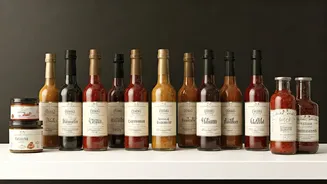
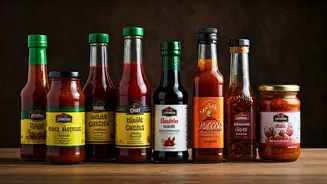
past these familiar mainstays. Young Indians, from college students to young professionals, are actively seeking out a taste of something different—or rather, something authentically familiar. They are exploring the burgeoning sections dedicated to local and regional condiments, turning the once-mundane grocery run into an act of culinary discovery. This involves bypassing the ubiquitous international brands in favour of a jar of Assamese Bhoot Jolokia chutney, a Maharashtrian garlic thecha, or a rich, dark Gongura pickle from Andhra Pradesh.
A Quest for Authentic Flavour
One of the biggest drivers of this trend is a simple, powerful desire for better taste. After years of homogenous, mass-produced flavours, palates are craving complexity, spice, and authenticity. Social media platforms like Instagram and YouTube have played a massive role, turning regional cuisines from niche interests into national trends. A food blogger showcasing a traditional Bengali meal with a side of pungent kasundi mustard, or a cooking reel featuring a spicy Rajasthani lehsun ki chutney, inspires thousands to seek out those same flavours. It's a move away from one-note sweetness or spice towards the intricate, layered tastes that define India’s diverse culinary map. This generation doesn’t just want to eat; they want to experience the story and heritage behind the food.
The Clean Label Revolution
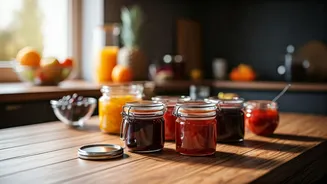
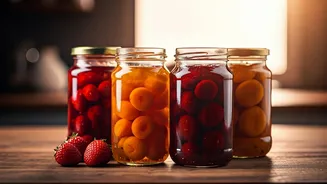
Parallel to the search for flavour is a powerful movement towards wellness and transparency. Young consumers are more discerning than ever about what goes into their bodies. They are avid label-readers, wary of long lists of chemical preservatives, artificial colours, and excessive sugar content found in many mass-market products. Local and artisanal condiment brands have tapped into this sentiment perfectly. Many market themselves on the promise of being “all-natural,” “preservative-free,” or made with “traditional recipes,” just like homemade versions. A small-batch pickle made with cold-pressed mustard oil and sun-dried spices is infinitely more appealing to a health-conscious millennial or Gen Z consumer than its factory-produced equivalent loaded with acidity regulators and firming agents.
Identity and Nostalgia in a Jar
For many young Indians living in bustling metros, often far from their hometowns, food is a powerful link to home and identity. A spoonful of a specific regional pickle isn't just a condiment; it's a taste of childhood, a memory of a grandmother’s kitchen, a tangible connection to one’s roots. As lives become more globalised and urbanised, there's a growing counter-trend to reconnect with regional heritage. Buying a jar of Malabar-style date pickle or a bottle of Coorg vinegar is a simple, accessible way to perform that identity. It’s a statement that says, “I am modern and live in a big city, but I haven’t forgotten where I come from.” These condiments offer comfort and nostalgia, conveniently packaged for a fast-paced urban life.
The Retailers Are Listening
This trend wouldn’t be possible without a fundamental shift in the retail landscape. Previously, accessing these regional specialities required a trip back home or finding a niche local store. Today, modern supermarket chains and online grocery platforms have recognised the commercial potential of this movement. They are actively curating and dedicating shelf space to small-batch, artisanal, and D2C (direct-to-consumer) brands. This symbiotic relationship benefits everyone: small producers get access to a massive urban market, retailers differentiate themselves with a unique and premium selection, and consumers get unprecedented access to the diverse flavours of India under one roof. The grocery store has transformed from a place of simple sustenance to a gallery of regional culinary art.