




Why Add Seeds to Your Batters?
Seeds are nutritional powerhouses, packed with plant-based protein, healthy fats, fibre, vitamins, and essential minerals. For vegetarians and vegans, they are an exceptional source of nutrients that support everything from muscle repair to digestive
health. Grinding seeds into a fine powder makes their nutrients more easily absorbed by the body. Incorporating this powder into your daily meals is a seamless way to enhance their nutritional value without dramatically altering the taste or texture of familiar and beloved foods like dosa and thalipeeth. It’s a simple, effective strategy for making every meal work harder for your health.
The Best Seeds for a Protein Boost
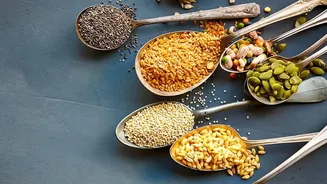
Not all seeds are created equal, but many offer a fantastic protein punch. Hemp seeds are a top contender, offering a complete protein with all essential amino acids. Pumpkin seeds and sunflower seeds are also protein-rich and loaded with minerals like magnesium and vitamin E. Flax and chia seeds are celebrated for their high fibre and omega-3 fatty acid content, in addition to protein. Sesame seeds, a flavourful and popular choice in Indian cuisine, also contribute a good amount of protein and healthy fats. Creating a mix of these seeds provides a wider range of nutrients.
How to Prepare Your Seed Powder
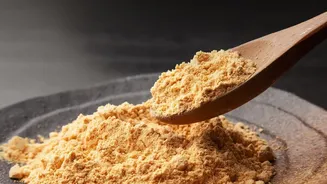
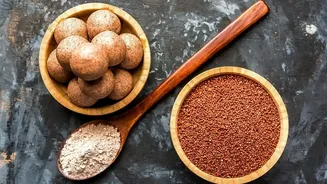
Making your own seed powder is simple. You can use a single type of seed or create a blend. Lightly dry-roasting seeds like flax, pumpkin, sunflower, and sesame on a low flame for a few minutes can enhance their nutty aroma and flavour. However, roasting is not strictly necessary. Once roasted (or if using raw), let the seeds cool completely to prevent them from becoming clumpy when ground. Use a dry spice grinder or a mixer's chutney jar and grind the seeds in short pulses until you achieve a fine powder. Avoid over-grinding, as the seeds can release their natural oils and turn into a paste. For best results, make small batches weekly and store the powder in an airtight container in the refrigerator to maintain freshness.
Mixing Powder into Dosa Batter
Adding seed powder to dosa batter is incredibly easy. A good starting ratio is to add 1 to 2 tablespoons of seed powder for every cup of batter. You can add the powder to your fermented dosa batter just before you start making the dosas. Whisk it in thoroughly to ensure there are no lumps. This method works for traditional rice and dal batters as well as instant batters made from flours like ragi or oats. Some people even incorporate whole soaked chia seeds directly into the batter. The addition of seed powder generally does not affect the fermentation process and can even make the dosas slightly crisper and give them a richer colour.
Upgrading Your Thalipeeth Dough
Thalipeeth, a savoury multigrain flatbread, is already a nutritious dish, but seed powders can elevate it further. When preparing the thalipeeth dough, simply mix the seed powder in with the other flours and spices before adding water. For every cup of multigrain flour (bhajani), you can add 1 to 2 tablespoons of seed powder, such as flaxseed meal. Mix all the dry ingredients well, then add your chopped vegetables, and finally, knead with warm water to form a soft dough. The powder will blend seamlessly into the dough, adding protein and fibre without compromising the traditional taste and texture of the thalipeeth.
Tips for Taste and Texture
When you first start, begin with a smaller amount of seed powder to see how you like the taste. Roasting the seeds beforehand generally results in a nuttier, more pleasant flavour. To avoid a gritty texture, ensure you grind the seeds into a very fine powder. If you're using chia seeds, be aware they absorb a lot of liquid. You might need to add a little extra water to your dosa batter or thalipeeth dough to maintain the right consistency. Don't be afraid to experiment with different seed combinations to find the blend that you and your family enjoy the most.