


The All-Too-Common Fantasy Trap
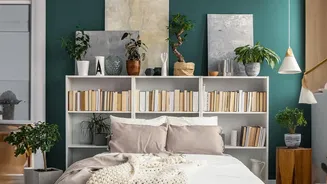
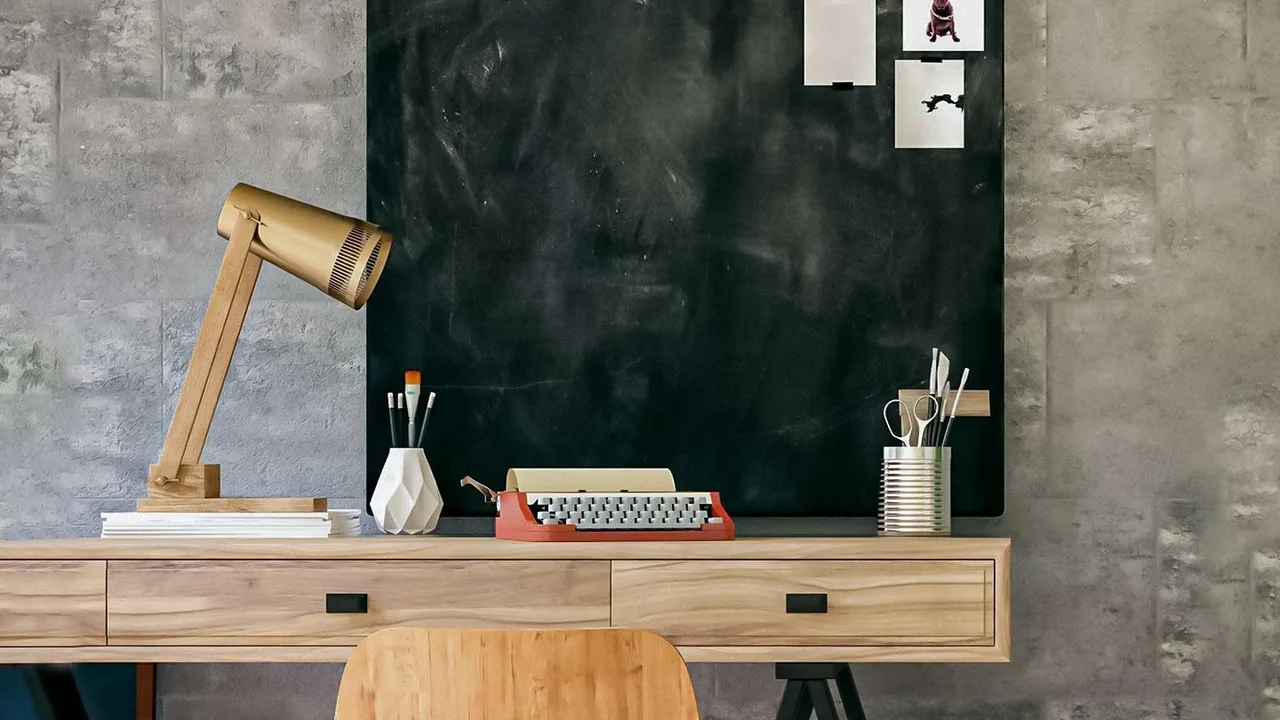
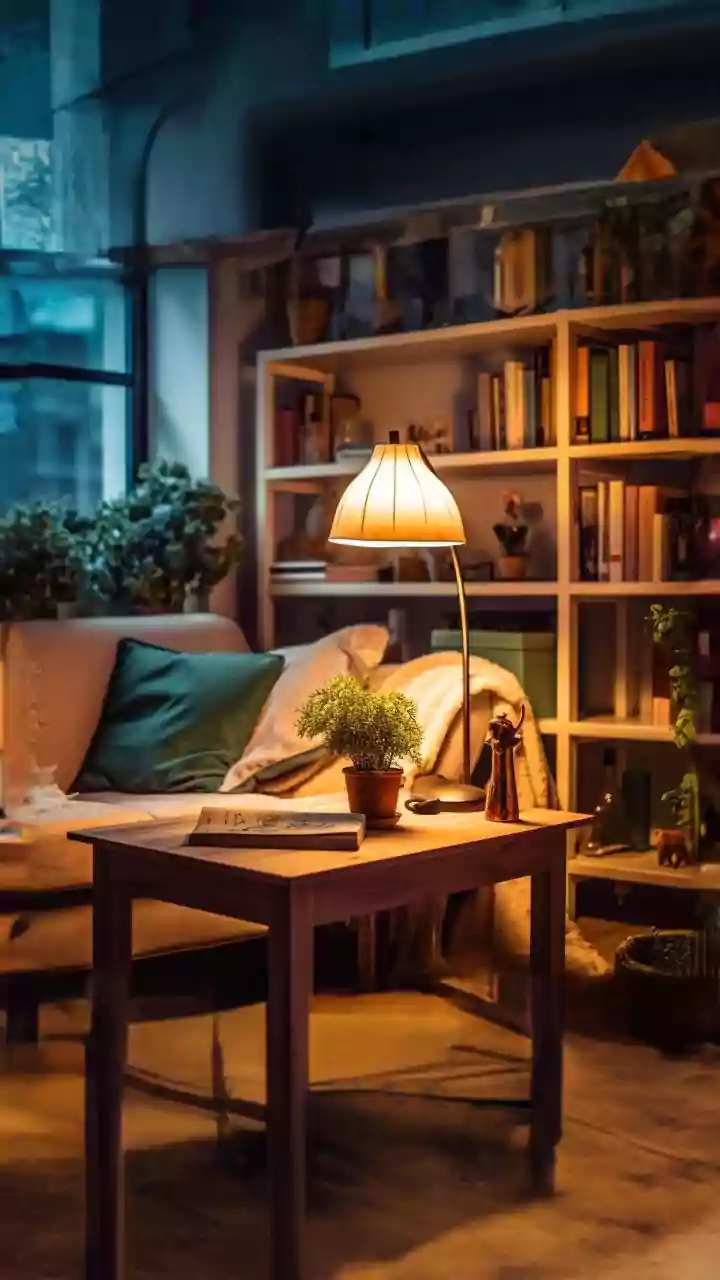
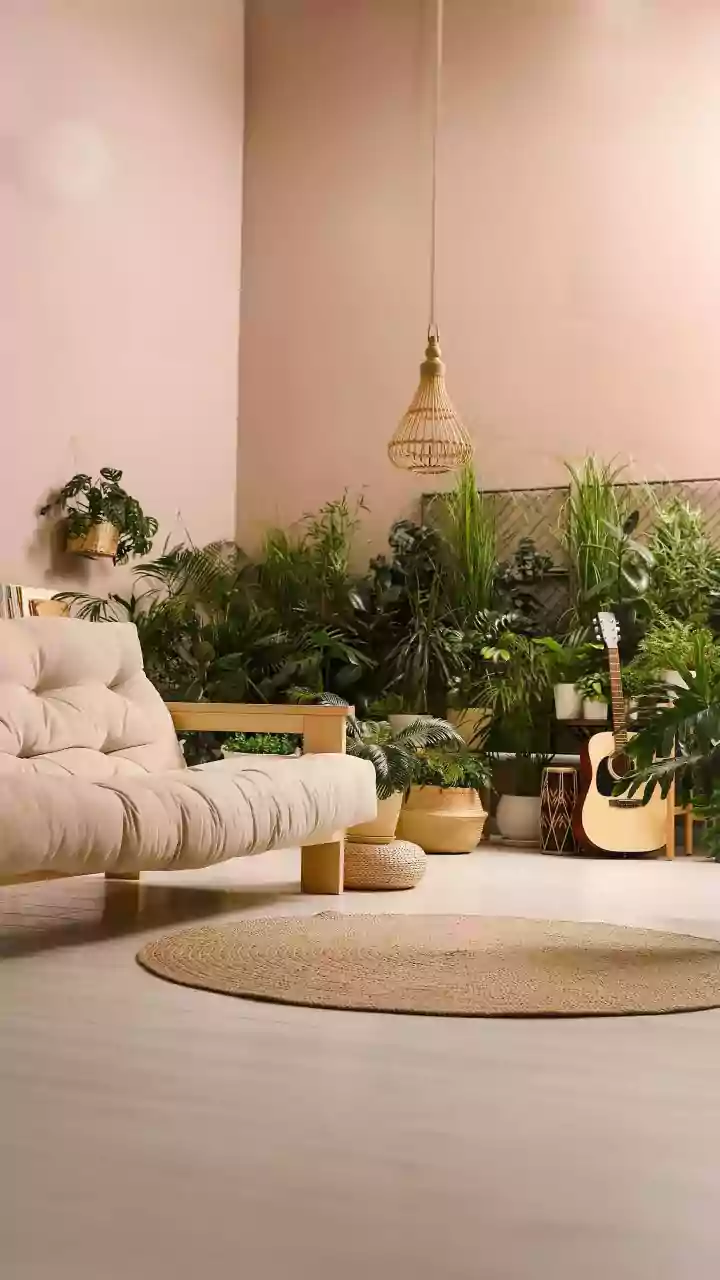
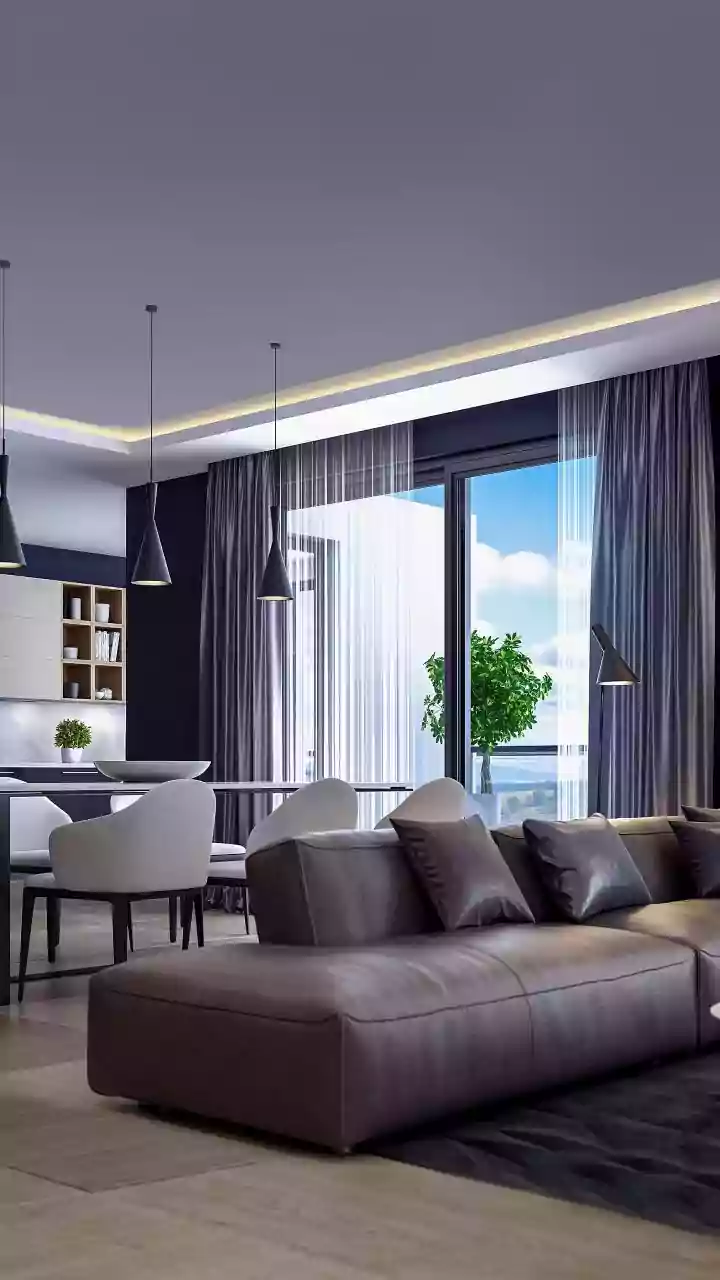
The typical moodboarding process is filled with excitement. You scroll through images of perfectly curated homes, saving photos of plush sofas, elegant lighting, and bold wallpapers. You assemble a beautiful collage of things you love. But when it comes
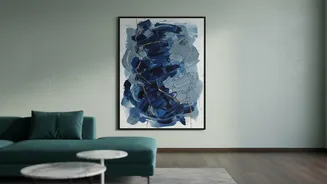
time to make decisions for your own space, this collection of dreams can lead you astray. The biggest reason is context. A deep blue sofa looks magnificent in a spacious, sun-drenched loft on Pinterest, but it might overwhelm your smaller, cosier living room. A moodboard composed only of other people's homes creates a fantasy, not a plan. This often leads to impulse buys that don't quite fit, a feeling of being overwhelmed, or a final result that feels disjointed and nothing like the inspiration.
Start with Your Reality: The Room Itself
The most effective way to design a room is to acknowledge its reality from the very beginning. Before you even think about new furniture or paint, take a clear, well-lit photograph of your room as it is. This photo becomes the foundational layer of your moodboard. Why is this so crucial? Because it forces you to work with what you have. You can’t ignore the placement of the windows, the height of the ceiling, the location of electrical outlets, or that slightly awkward corner. These aren't limitations; they are the unique parameters of your design challenge. By making a photo of your actual room the backdrop of your moodboard, you are grounding your creative vision in reality, ensuring that every choice you make is relevant and considered for that specific space.
Building a Better, Smarter Moodboard
Once you have your room’s photo, the fun begins. Using a simple digital tool—even a basic presentation slide or a free app like Canva will do—you can start layering your ideas directly onto the image of your space. Find a photo of a sofa you like? Don’t just add it to the board; digitally ‘place’ it in your living room. Many tools even allow you to remove the background from an image, making it easy to see how a new piece of furniture will look against your wall and on your floor. Do the same with rugs, artwork, and lighting. Want to try a new wall colour? Create a coloured block and place it on the wall in your photo. This method instantly gives you a better sense of scale, proportion, and colour harmony within the context of your own home.
From Vision to Actionable Plan
This reality-based approach does more than just help you visualize; it transforms your moodboard into a practical planning tool. As you add and subtract items, you're not just playing with aesthetics—you're making concrete decisions. You'll quickly see if the armchair you love is too large for the available space or if the rug you're considering clashes with your existing flooring. This process saves you from costly mistakes and the disappointment of items that don't work upon arrival. It also helps with budgeting. When your board reflects actual items placed in your room, you have a clear shopping list. You’re no longer just collecting ideas; you're building a visual guide that will steer every purchase and decision, making the entire decorating process smoother and more successful.