



An Invitation to the South Pole
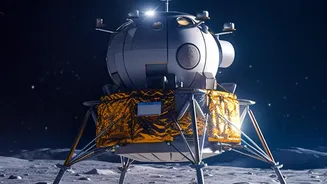
During an early August 2026 meeting in Bengaluru, NASA officially invited ISRO to participate in developing the Artemis Base Camp, a planned permanent human outpost near the Moon's south pole. This isn't just a friendly suggestion; it's a strategic move
to bring a proven lunar player into the fold of the U.S.-led Artemis program. India signed the Artemis Accords—a set of principles for peaceful and transparent space exploration—in June 2023, joining what has now become a coalition of 70 nations. But being a signatory is different from being an active partner in building infrastructure on another world. This invitation elevates India from a supporter of the principles to a potential key contributor to humanity's first off-world settlement.
Why India is a Prized Partner
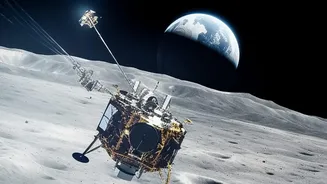
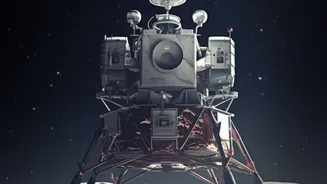
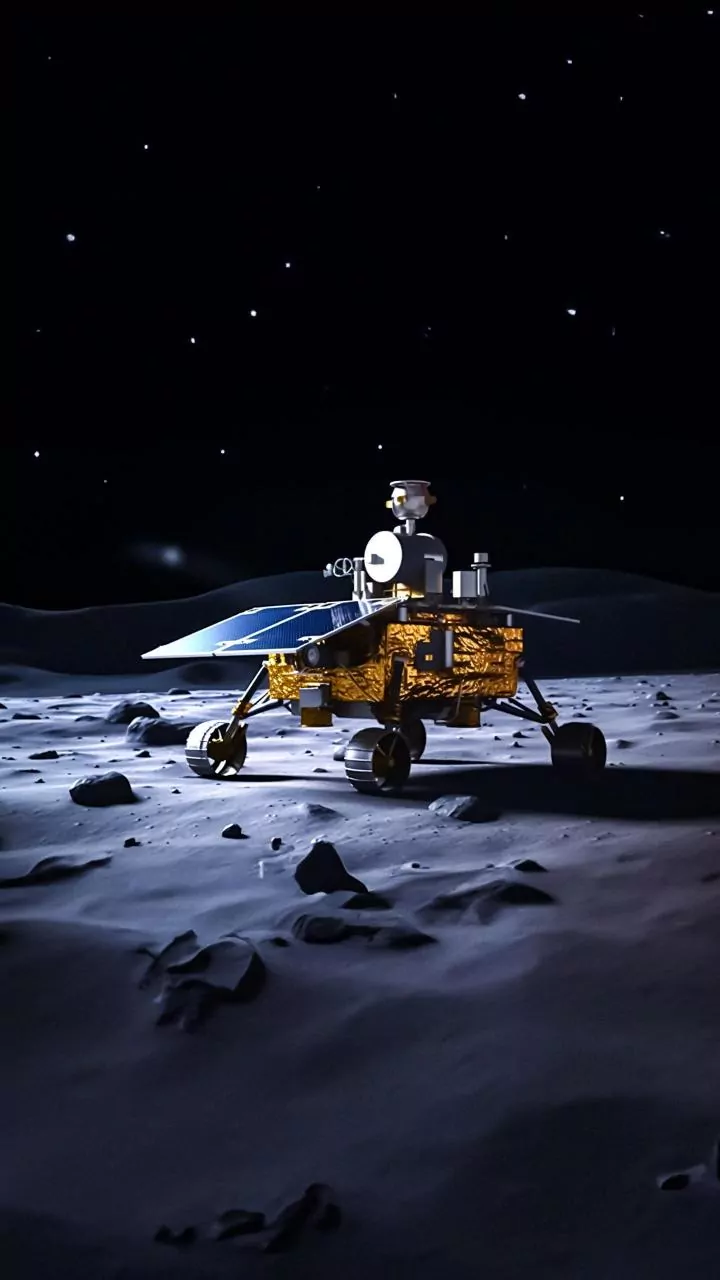
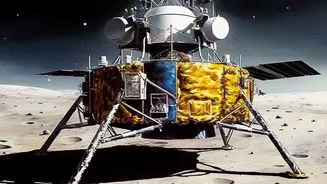
NASA's choice is no accident. ISRO has emerged as a frugal and highly capable space power. In August 2023, its Chandrayaan-3 mission made India the first and only nation to successfully soft-land a spacecraft near the lunar south pole—the very region where NASA plans to build its base. This feat provided the world with invaluable ground-truth data about a region believed to hold vast deposits of water ice, a resource critical for drinking water and manufacturing rocket fuel. ISRO's track record of cost-effective engineering and its specific expertise in the south polar region make it an invaluable ally. The successful joint NASA-ISRO Synthetic Aperture Radar (NISAR) mission, launched in 2025, has already solidified the operational trust between the two agencies, proving they can execute complex projects together.
A New Kind of Space Race
This partnership is as much about geopolitics as it is about science. The U.S. and its Artemis partners are in a clear, if quiet, competition with the rival bloc formed by China and Russia. The China National Space Administration (CNSA) and Roscosmos are collaborating on their own International Lunar Research Station (ILRS), also targeting the south pole. By bringing India into the Artemis fold more deeply, Washington is building a broader, more resilient coalition of democratic and like-minded nations to set the norms for space exploration. With India planning its own crewed mission to the moon by 2040 and a lunar sample return mission (Chandrayaan-4) in the works, its ambitions align perfectly with the long-term vision of the Artemis program.
What a Joint Base Could Look Like
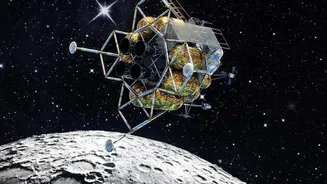
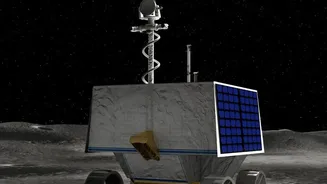
While specifics of the collaboration are still under discussion, India's contribution could take many forms. ISRO could leverage its expertise in robotics and remote systems to develop rovers or automated construction equipment. It could contribute components for the base's habitat, power systems, or life support. The collaboration would fast-track India's own ambitious goals, including its Gaganyaan human spaceflight program and plans for an eventual Indian astronaut on the moon. For NASA, the partnership diversifies its supply chain, shares the immense financial burden of a lunar base (estimated to be over $20 billion), and accelerates the timeline for establishing a permanent presence. This joint effort would create a framework where multiple countries contribute specialized hardware and expertise, creating a truly international outpost on the lunar surface.