



Gear Up for the Wet
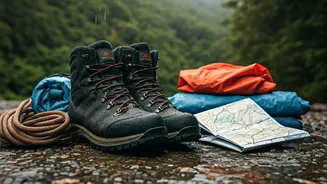
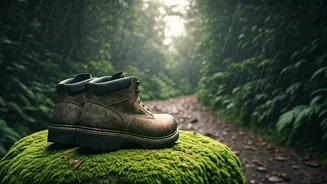
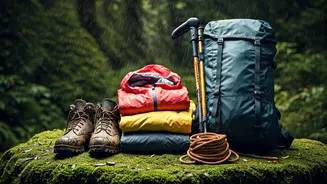
The right gear is your first line of defence. Forget cotton; it gets heavy and cold when wet. [11] Opt for quick-drying synthetic T-shirts and trousers. [8] The most critical item is a pair of waterproof trekking shoes with deep lugs for a solid grip
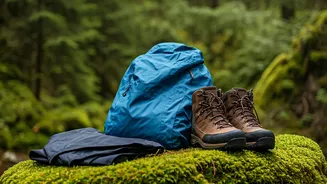
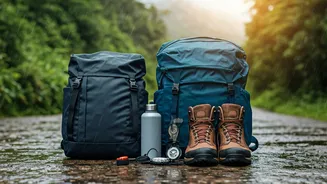
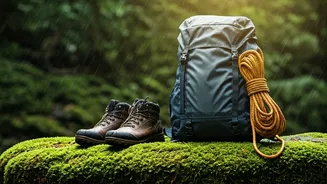
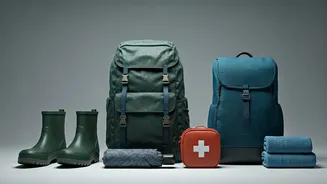
on slippery, mossy rocks. [7] Your rain protection is non-negotiable. While a simple raincoat works, a poncho is often better as it covers you and your backpack. [10] Speaking of your backpack, ensure it has a waterproof cover. [6] For an extra layer of protection, line the inside of your pack with a large plastic bag or use smaller dry bags to compartmentalize electronics and spare clothes. [9] Also, pack a few extra pairs of quick-dry socks to avoid blisters and other foot infections. [10] Finally, a pair of trekking poles can be a game-changer for maintaining balance on tricky descents and stream crossings. [7]
Know Your Trail and Its Mood Swings
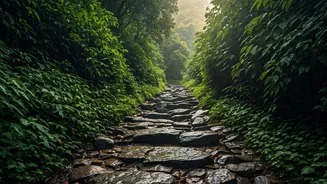
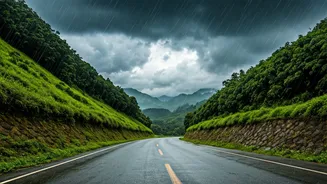
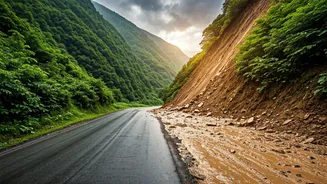
Not all trails are suitable for the monsoon. Research your chosen route thoroughly. [12] The season transforms familiar paths; gentle streams can become raging torrents, and stable ground can turn into a landslide-prone zone. [5, 17] Many trekking organisations and government bodies release advisories, sometimes closing trails that are too dangerous due to landslide risk or flash floods. [7, 22] It’s always safer to stick to well-known trails and avoid exploring unknown paths, especially during heavy rain. [12] If you're unfamiliar with the area, hiring a local guide is a wise investment. They possess invaluable knowledge of the terrain's seasonal behaviour. Trekking in a group is also highly recommended over going solo. [18]
Become a Weather Watcher
In the mountains, weather can change in minutes. [3] Start checking the forecast several days before your trek, using multiple reliable sources like the Indian Meteorological Department (IMD) and specialised apps like Windy.com or Mountain-forecast.com. [3, 28] Pay attention to hourly predictions for rain, wind, and especially lightning. Monsoon treks should start early in the morning, as storms often build up in the afternoon. [8] An early start gives you a better chance of reaching your destination or a safe shelter before the weather turns. [8] Be prepared to change your plans or turn back if the forecast is severe. No viewpoint is worth risking your safety. [16]
Pack a Monsoon-Specific First-Aid Kit
Your standard first-aid kit needs a few monsoon-specific additions. Besides the usual bandages, antiseptic, and pain relief spray, include items to deal with the damp conditions. [10, 21] An antifungal powder can be useful to prevent skin issues. [6] Leeches are common in many monsoon trekking areas, so carry leech socks or apply a salt solution or sanitiser to remove them—never pull them off. [6, 15] Also, pack insect repellent to guard against mosquitoes and other bugs. [11] Due to the higher risk of contaminated water sources, carry water purification tablets or a portable water filter. [6] Ensure all your medical supplies are stored in a waterproof pouch. [21]
Plan for Communication and Emergencies
Mobile networks are often unreliable or non-existent in remote trekking areas. [5] Always inform a reliable contact back home about your detailed itinerary, including your route and expected return time. [13, 17] Carry a fully charged power bank to keep your phone alive for as long as possible. [21] A whistle is a lightweight, essential tool for signalling for help if you get separated from your group or need to raise an alarm. [7] It's also vital to have emergency numbers handy, including those for local police, mountain rescue teams, and your trek operator if you are using one. The Maharashtra Mountaineers Rescue Coordination Center (MMRCC), for example, provides coordination for rescue operations in the state. [17]