



The Great Indian Thali Transformation
The traditional Indian thali, once a balanced mix of cereals, pulses, vegetables, and curd, is undergoing a significant change. Over the last few decades, dietary patterns have shifted. While consumption of milk and some animal products has risen, the intake
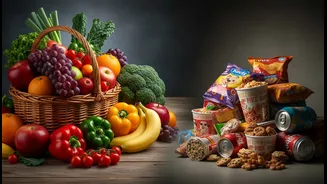
of diverse, nutrient-rich foods like fruits, vegetables, and traditional coarse grains such as millets has not kept pace. Studies show a worrying trend: Indian diets are heavily skewed towards cereals and cooking oils, which are often overconsumed, while essential food groups like pulses and green leafy vegetables are under-consumed. This transition is driven by a combination of rising incomes, urbanisation, and the widespread availability of processed foods. As a result, the modern Indian food basket looks very different, posing new challenges for household nutrition.
The Real Cost of Eating Healthy
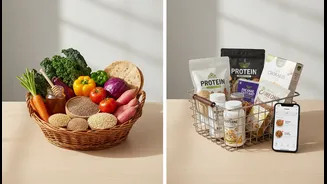
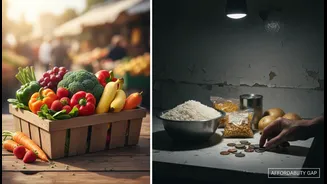
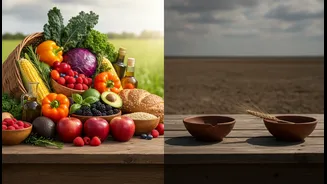
A common belief is that eating healthy is expensive, and there's a complex truth to this. While a basic, vegetarian thali can be affordable, a truly balanced and diverse diet often costs more. The paradox is that calorie-dense foods—those high in refined carbohydrates, sugar, and fats—are often cheaper and more readily available than nutrient-dense foods like fresh fruits, vegetables, and lean proteins. For instance, price spikes in vegetables and pulses directly impact a household's ability to afford them. This economic pressure can force families to opt for cheaper, less nutritious alternatives, creating a cycle where poor diet quality is linked to affordability. A UN report estimated that a large percentage of Indians cannot afford a healthy diet, highlighting how price is a major barrier to nutrition.
The Availability and Access Puzzle
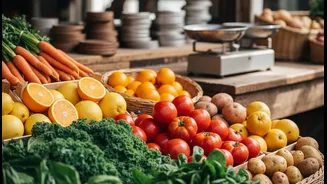
What you eat is not just about price; it’s also about what’s available. In urban centres, supermarkets offer a dazzling variety of foods, but often at a premium. Meanwhile, in rural and remote areas, access to a diverse range of fresh produce can be limited, with communities depending on locally grown staples and the Public Distribution System (PDS), which primarily provides rice and wheat. Inefficient supply chains and significant post-harvest losses also play a role, affecting both the availability and cost of food before it even reaches the consumer. This rural-urban divide in food access means that the challenge of securing a nutritious diet varies significantly across the country.
Decoding Your Diet's Quality
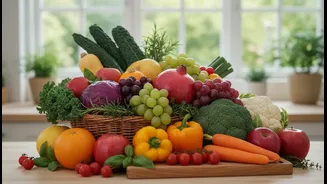
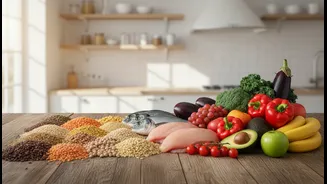
So, what does 'good diet quality' even mean? It’s not just about avoiding junk food. Nutrition experts emphasize dietary diversity—eating a wide variety of foods from all major groups. A quality diet in the Indian context should include a balanced mix of cereals, a variety of pulses and legumes, plenty of seasonal vegetables and fruits, dairy products, and, for non-vegetarians, eggs, fish, or meat. Unfortunately, many Indian diets are falling short. There's an over-reliance on cereals for protein, which is of lower quality, and a low intake of essential micronutrients found in fruits and vegetables. This imbalance is contributing to a dual burden of malnutrition: the persistence of undernutrition and micronutrient deficiencies, alongside a rapid rise in obesity and lifestyle diseases like diabetes.
Smart Strategies for a Healthier Food Basket
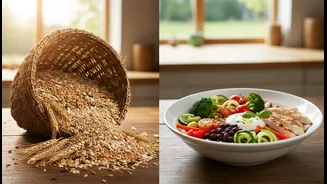
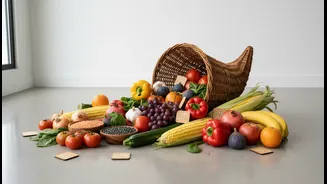
Navigating this complex food environment requires becoming a savvy consumer. The key is to maximise nutrition without breaking the bank. Prioritise seasonal and local produce, which is often fresher and more affordable. Reintroduce traditional coarse grains like millets (jowar, bajra, ragi) into your diet; they are nutritious and often climate-resilient. Smart shopping habits, such as buying pulses and grains in bulk and cooking more meals at home, can significantly cut down costs and reduce reliance on expensive processed foods. While instant noodles might seem cheap, their low nutritional value often leads to buying more snacks later, making whole foods more cost-effective in the long run. Simple swaps, like replacing a processed snack with roasted chana or a fruit, can make a big difference.