





The Nearly Indestructible Houseplant
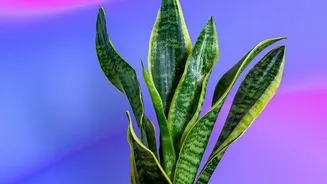
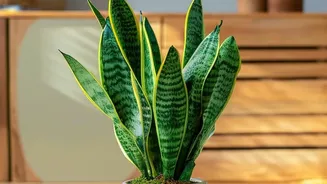
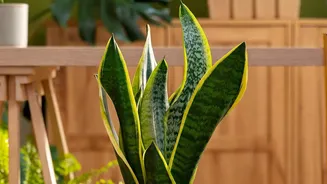
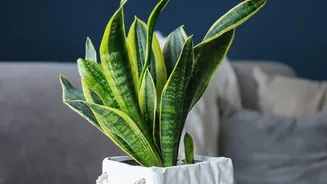
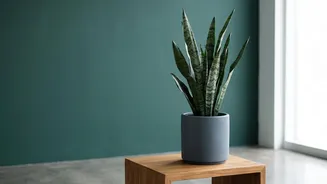
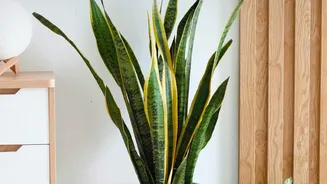
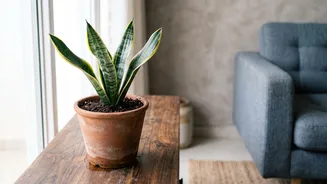
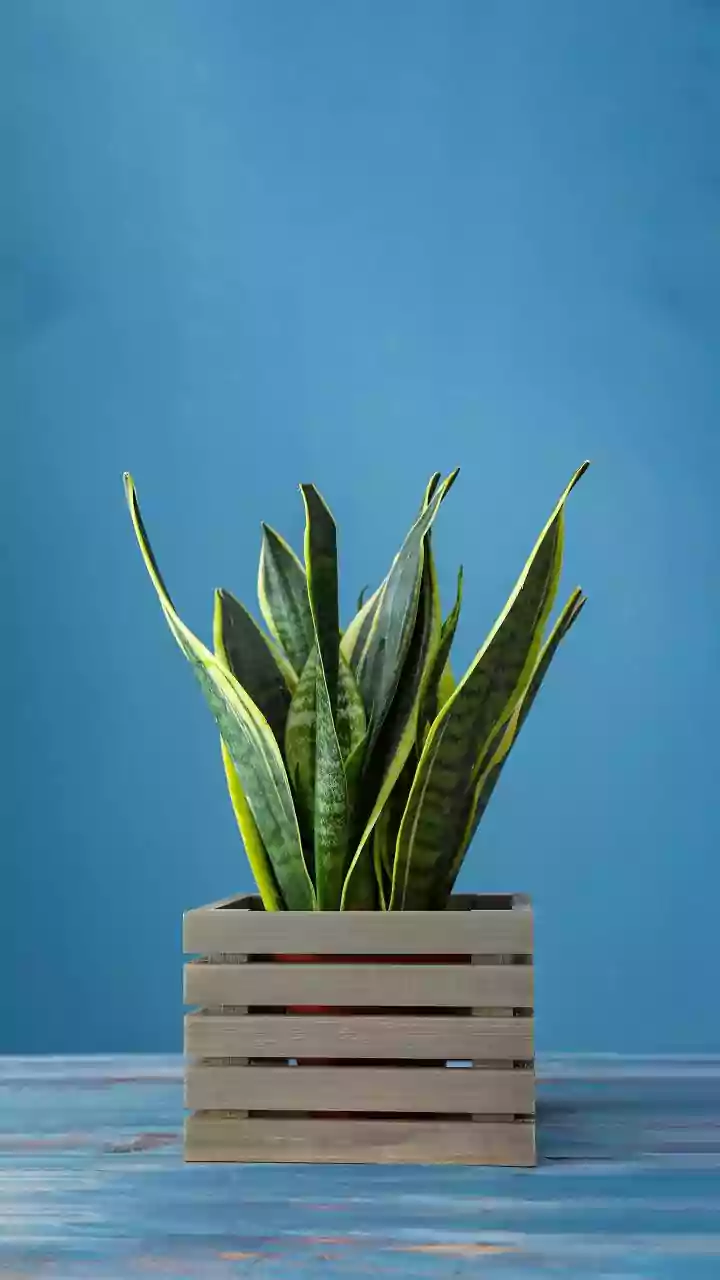
The snake plant, or Sansevieria trifasciata, is a favourite for a reason. It thrives on neglect, tolerates low light, and requires infrequent watering, making it perfect for beginners and busy plant parents alike. Its stiff, upright leaves bring a modern,
sculptural element to any space. Beyond its striking looks and low-maintenance nature, the snake plant is famous for one other compelling benefit: its ability to purify the air. But before you start dreaming of a home with perfectly filtered air, it's important to understand what that really means.
A Breath of Fresh(er) Air?
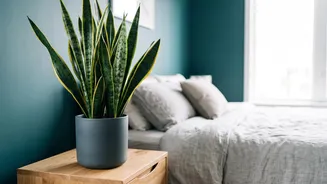
The idea that houseplants clean indoor air gained popularity from a 1989 NASA study. It found that certain plants, including the snake plant, could remove toxins like formaldehyde and benzene from sealed chambers. This is true. However, our homes are not sealed chambers. More recent analyses have clarified that you would need a huge number of plants—sometimes hundreds or even thousands in a single room—to match the air-cleaning power of simple ventilation or a mechanical purifier. While a few snake plants won't single-handedly solve indoor air pollution, they do contribute. Unlike most plants, they release oxygen at night, making them a great companion for bedrooms. So, think of their air-purifying quality as a small, natural bonus to their significant aesthetic appeal.
Method 1: Division (The Fastest Way)
If you have a mature, slightly crowded snake plant, division is the quickest way to get new, fully-formed plants. This method involves separating the smaller offshoots, often called 'pups,' from the mother plant. Start by gently removing the entire plant from its pot. Brush away the soil to expose the root system and the thick, fleshy roots known as rhizomes that connect the pups to the main plant. Using a clean, sharp knife, carefully cut the rhizome to separate a pup, ensuring it has some roots of its own. You can then pot the new division into its own container with well-draining soil, like a cactus or succulent mix. Because the new plant already has an established root system, this method has a very high success rate.
Method 2: Leaf Cuttings in Water
Propagating with leaf cuttings is a magical process to watch. Start by taking a healthy, mature leaf and use a clean knife to cut it into sections several inches long. A key tip is to make a V-shaped cut at the bottom of each section or simply remember which end is the bottom. The cutting will only root from the end that was originally closer to the plant's base. Allow the cuttings to sit out for a day or two until the cut end calluses over, which helps prevent rot. Then, place the callused end into a jar with an inch or two of water. Put it in a spot with bright, indirect light and change the water weekly. Be patient, as it can take a few weeks to several months for roots to appear.
Method 3: Leaf Cuttings in Soil
The process for soil propagation starts the same way as with water. Take your leaf cuttings and let them callus over for a couple of days. Once the ends are dry, you can plant them directly into a pot with a well-draining soil mix. A mix of potting soil and sand or a pre-made succulent mix works perfectly. Insert the callused end about an inch deep into the soil—just enough for it to stand upright. Water the soil lightly and then wait. Keep the soil slightly moist but never soggy, as overwatering can cause the cuttings to rot. In a few months, you'll see new pups beginning to poke through the soil near the base of your cutting.
Patience is a Virtue
Regardless of the method you choose, propagation requires patience. Division is the fastest way to get a new plant, but watching roots emerge from a simple leaf cutting is one of the most satisfying gardening projects you can undertake. Leaf cuttings in both water and soil can take several months before showing signs of new roots or growth, so don't be discouraged if you don't see immediate results. Keep the conditions consistent, avoid overwatering, and trust the process. Soon, you'll have a small army of snake plants ready to be displayed around your home or given as thoughtful, homegrown gifts.