




A New Cosmic Trophy
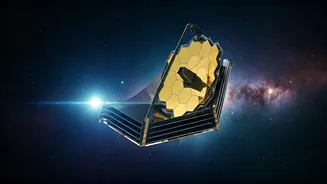
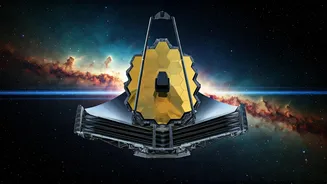
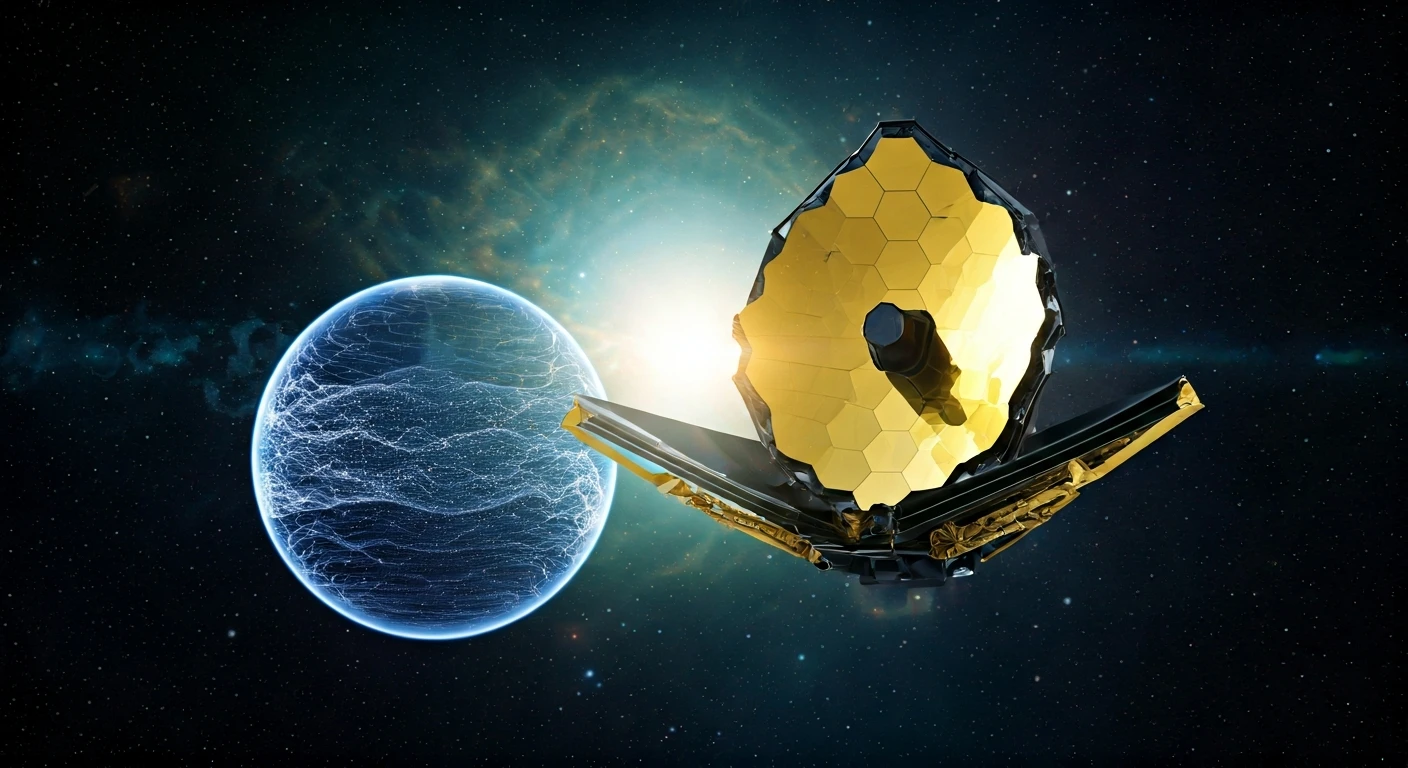
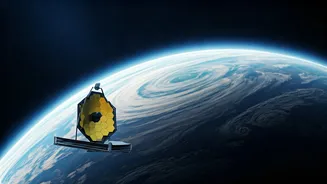
In a major win for astronomy, the James Webb Space Telescope has successfully analyzed the atmosphere of a distant exoplanet, delivering results that have energized the scientific community. This latest success is not just about one planet; it’s a powerful
demonstration of the telescope's unprecedented ability to peer into the skies of worlds light-years away and decode their chemical secrets. The multi-billion dollar observatory is proving its worth by turning science fiction questions into real, measurable data. Each discovery serves as a testament to the technological prowess that allows us to probe the universe's greatest mysteries from an orbit one million miles from Earth.
Finding Water in a Sunbeam
So, how exactly does Webb find water hundreds of light-years away? The technique is both ingenious and mind-bogglingly precise. When an exoplanet passes in front of its host star from our perspective—an event called a transit—a tiny fraction of the star's light filters through the planet's atmosphere. The JWST is equipped with highly sensitive instruments called spectrographs that can capture this filtered light and break it down into its constituent colours, creating a spectrum. Different chemical elements and molecules in the planet’s atmosphere absorb light at specific wavelengths, leaving dark lines in the spectrum. Think of it like a barcode. Water, methane, carbon dioxide, and other molecules each have a unique barcode. By reading these spectral lines, astronomers can determine exactly what gases are present in that alien air.
The Planet in the Spotlight
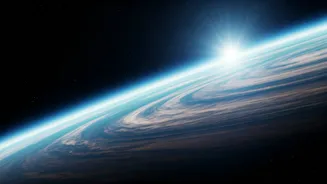
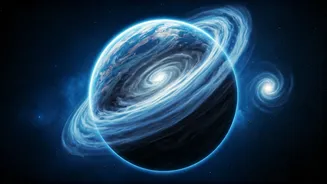
The latest subject of Webb’s intense gaze was a 'sub-Neptune'—a type of planet larger than Earth but smaller than Neptune, with no direct equivalent in our own solar system. These worlds are common in the galaxy but remain poorly understood. In this case, the data revealed the unmistakable chemical signature of water vapour in the planet's atmosphere, alongside other gases like methane. This discovery is a 'victory' because prior to Webb, the atmospheres of many such planets appeared frustratingly blank or hazy, their secrets hidden behind thick clouds that older telescopes like Hubble couldn't penetrate. Webb’s infrared capabilities allow it to see through this haze, marking a giant leap forward in our ability to characterize these mysterious worlds.
Water World or Steamy Illusion?
Before we imagine shimmering blue oceans, it's crucial to understand the nuance. Detecting water vapour is not the same as finding a habitable, Earth-like ocean. In many cases, these planets are far too hot for liquid water to exist on their surface. The 'water world' recently observed might have an ocean, but it could be one of water boiling at over 100 degrees Celsius under immense atmospheric pressure. Other interpretations suggest the planet could be a barren, rocky world with a blisteringly hot, steam-filled atmosphere. The debate among scientists is part of the process; the key takeaway is that we can now have these debates based on actual data. The discovery of water, even in an inhospitable environment, is a crucial piece of the puzzle, helping scientists refine models of how planets form and where the ingredients for life might be delivered.