





From Daily Staple to Functional Food
For decades, the Indian dairy story was about volume. As the world's largest producer and consumer of milk, the focus for giants like Amul and Mother Dairy was on collection and distribution. The market revolved around the milk pouch, with traditional
products like ghee, paneer, and curd forming the core of value-addition. Now, that focus is shifting dramatically. The new mantra is not just about selling milk, but about extracting maximum value from it by catering to specific wellness goals. Driven by rising disposable incomes, urbanisation, and a surge in health awareness, consumers are looking for dairy products that do more. This has paved the way for a boom in functional dairy, where products are designed to deliver specific health benefits beyond basic nutrition.
The Great Protein Push
At the heart of this transformation is the growing obsession with protein. Once the preserve of gym-goers, protein has become an 'everyday aspiration' for millions of Indians seeking to build muscle, manage weight, and improve overall health. This demand has sent companies scrambling to innovate. Shelves are now filled with high-protein versions of familiar products, including fortified milk, Greek yogurt, protein-rich paneer, and even protein-infused beverages. For example, Amul's protein range has seen impressive 100% growth, while Mother Dairy reported over 30% volume growth in categories like paneer and dairy beverages in mid-2026. The trend is so significant that the Indian protein market is projected to grow substantially, reaching figures as high as ₹21,000 crore by 2031. This shift is also being accelerated by the convenience of quick commerce, which allows consumers to easily try new and specialised products.
Wellness Beyond Just Muscle
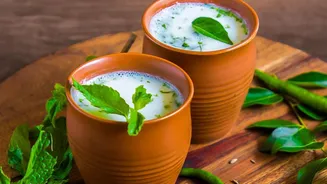
While protein is leading the charge, the definition of 'wellness' in dairy is much broader. Consumers are increasingly seeking products that cater to a holistic sense of well-being. This includes a rising demand for probiotics that support gut health, leading to significant growth in probiotic buttermilk and yogurt drinks. Brands like Heritage Foods have expanded into offerings like A-One Probiotic Buttermilk, while Mother Dairy's Probiotic Chaach category grew by over 40%. There's also a growing market for lactose-free milk and low-sugar ice creams, catering to specific dietary needs and preferences. Furthermore, the demand for clean-label products—those free from antibiotics, preservatives, and artificial additives—is pushing brands like Akshayakalpa Organic to innovate with certified organic, high-protein milk that is also lactose-free.
Startups Challenge the Stalwarts
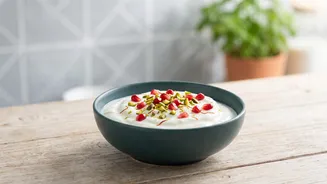
This wave of innovation isn't just coming from established giants. A host of agile startups are making their mark by identifying and filling niche market gaps. Brands like Provilac have introduced high-protein fresh milk using advanced filtration technology, while others have popularised formats like Icelandic Skyr, a high-protein yogurt-like product. This competitive pressure from new-age brands is forcing legacy players to adapt and expand their own value-added portfolios. Amul has widened its range to include protein beverages and specialty cheeses, while Parag Milk Foods has entered the protein-snacking category. The result is a more dynamic and competitive marketplace where both large corporations and nimble startups are vying for the attention of the discerning Indian consumer.
Challenges on the Wellness Journey
Despite the explosive growth, the path forward is not without its hurdles. One of the biggest challenges is affordability. Value-added and protein-fortified products are often priced at a premium, making them inaccessible to a large portion of the population. Robust cold-chain infrastructure is another critical factor, as these fresh and specialised products require careful temperature control from the factory to the consumer's home. There is also the issue of consumer education. While awareness about protein is growing, many Indians are still unaware of their daily protein requirements, creating a gap that marketing alone cannot solve. Finally, the industry must also contend with broader issues like the use of antibiotics in cattle, which raises public health concerns and underscores the need for sustainable and safe farming practices.