








From Pocket Money to Portfolios
There was a time when financial planning for a student meant stretching their monthly allowance to the last week of the month. Today, the conversation in college canteens and WhatsApp groups has evolved dramatically. It’s no longer just about exams and career
choices; it’s about Systematic Investment Plans (SIPs), opening a Demat account, and debating the merits of a particular mutual fund. This isn't a niche interest confined to commerce students. Young adults from engineering, arts, and medical backgrounds are actively participating in the financial markets. Brokerage firms in India have reported a significant surge in the number of clients under the age of 25. This new generation isn’t waiting for their first job to start investing; they are starting with their savings and pocket money, driven by a desire for financial autonomy long before they earn their first full-time salary.
Why the Sudden Urgency?
Several factors are fuelling this trend. Firstly, economic uncertainty plays a huge role. Gen Z has grown up witnessing global financial crises, economic slowdowns, and the precarious financial situations of older generations, including their parents and millennials burdened by debt. They are determined to build a more secure financial future for themselves and see early investing as a powerful tool to achieve it. Secondly, the dream has shifted from just landing a good job to achieving financial independence. The FIRE (Financial Independence, Retire Early) movement, though extreme for some, has popularised the idea that smart, consistent investing can create wealth and provide freedom from the traditional 9-to-5 grind. This generation values experiences and autonomy, and they see money as a means to that end, not just an end in itself.
The Fintech and 'Finfluencer' Effect
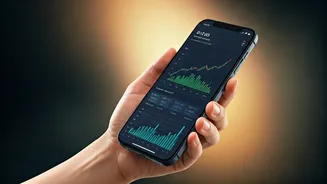
This financial awakening wouldn't be possible without technology. User-friendly investing apps like Zerodha, Groww, and Upstox have democratised the stock market, breaking down barriers that once kept young people out. Opening an account, which used to be a cumbersome process involving paperwork and in-person visits, can now be done on a smartphone in minutes. Alongside these tools is the rise of the 'finfluencer'. Financial influencers on Instagram, YouTube, and X (formerly Twitter) break down complex topics like asset allocation, diversification, and tax-saving investments into digestible, bite-sized content. They speak the language of the youth and have built massive followings by making finance seem accessible and even cool. For millions of students, a 10-minute YouTube video is their first finance lesson.
The Dangers of a DIY Approach
However, this democratisation comes with significant risks. The internet is a minefield of misinformation, and not all finfluencers offer sound advice. Many are motivated by affiliate commissions or are promoting high-risk products without adequate disclaimers. The ease of trading can also encourage speculative behaviour, particularly in volatile segments like Futures & Options (F&O), where a majority of retail traders lose money. The Securities and Exchange Board of India (SEBI) has taken note, introducing regulations to curb unregistered and unqualified financial advice. The challenge for young investors is to distinguish between genuine education and get-rich-quick schemes. The herd mentality, driven by viral stock tips on social media, can lead to poor decisions and substantial losses, turning an empowering journey into a cautionary tale.