







The Myth of the Magic Pill
Walk down any pharmacy aisle, and you'll see countless bottles promising to boost heart health. From Omega-3s to Coenzyme Q10, the supplement market is booming, fueled by the promise of an easy solution. However, major health organisations like the American
Heart Association have consistently stated that there isn't sufficient data to suggest healthy people benefit from taking most supplements for heart disease prevention. While some supplements, like fish oil, may offer modest benefits such as lowering triglycerides, they are not a substitute for foundational health practices. Research has shown that most popular vitamins and minerals, including multivitamins and vitamins C and E, have little to no effect on protecting against heart attacks or strokes. In some cases, taking high doses of certain supplements, like calcium, may even be associated with increased risk.
Foundation 1: A Heart-Healthy Diet
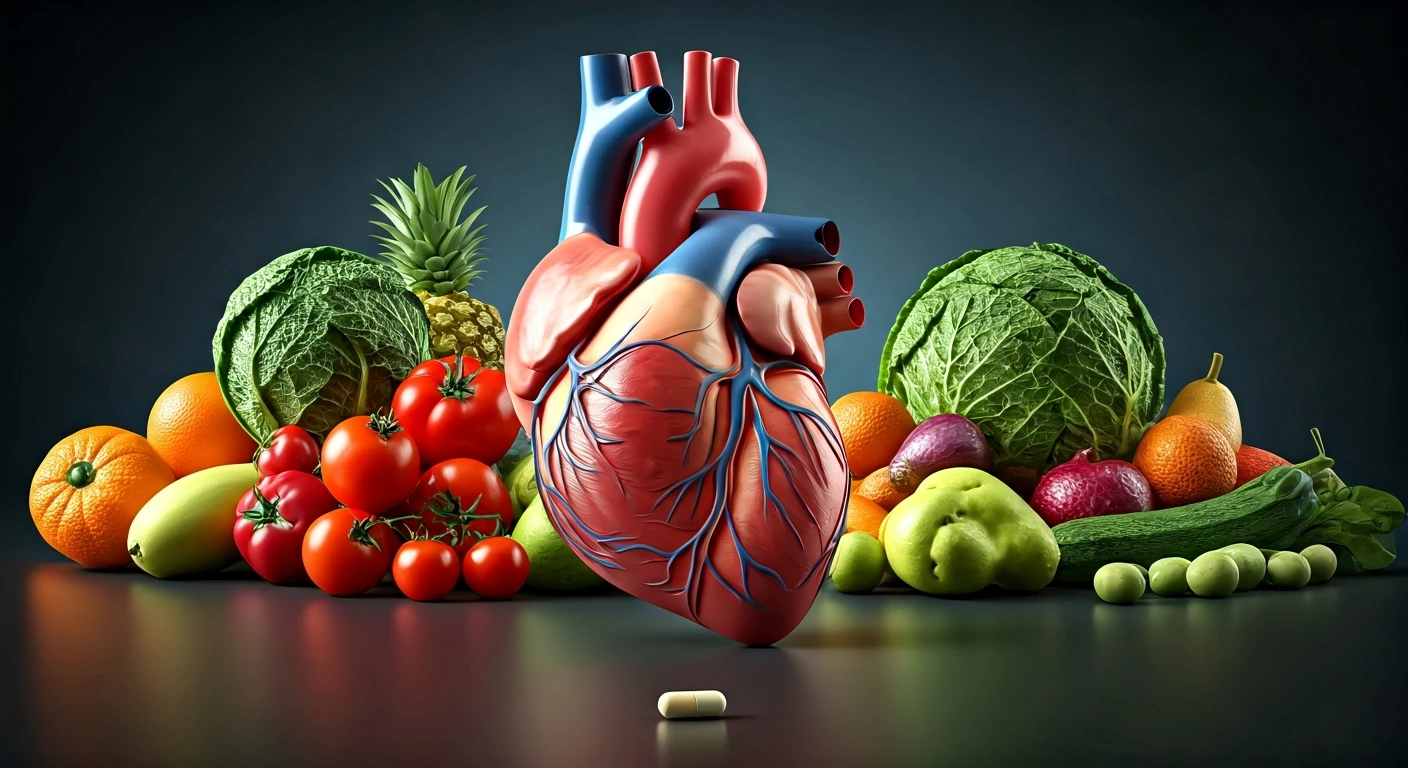
What you eat has a more profound impact on your cardiovascular system than any pill. A heart-healthy diet isn't about perfection but about consistent, smart choices. Experts recommend focusing on whole, minimally processed foods. Diets like the Mediterranean or DASH (Dietary Approaches to Stop Hypertension) pattern have been proven effective. These eating styles are rich in fruits, vegetables, whole grains, and lean proteins like fish, beans, and poultry. Healthy fats from sources like olive oil, nuts, and avocados are also crucial. Just as important is what you limit: processed foods, excess sodium, added sugars, and saturated fats, which can contribute to high blood pressure, high cholesterol, and inflammation.
Foundation 2: Make Movement a Priority
Your heart is a muscle, and just like any other muscle, it gets stronger with exercise. Regular physical activity is a non-negotiable for cardiovascular wellness. The American Heart Association recommends at least 150 minutes of moderate-intensity aerobic activity (like brisk walking or cycling) or 75 minutes of vigorous activity each week. Consistent exercise helps lower blood pressure, maintain a healthy weight, improve circulation, and control cholesterol levels. The benefits are significant; one study found that the most active individuals reduced their heart disease risk by over 50%. You don't need to become a marathon runner overnight. Even short bursts of activity, like taking the stairs or going for a daily walk, can make a meaningful difference over time.
Foundation 3: Beyond Diet and Exercise
A truly heart-healthy lifestyle extends beyond the kitchen and the gym. Several other habits play a critical role. Quitting smoking is one of the most impactful steps you can take, as smoking is a direct cause of heart disease. Chronic stress can also strain the heart over time by increasing hormones like cortisol, so finding healthy ways to manage it through hobbies, meditation, or social connection is vital. Furthermore, quality sleep is essential for heart health. Most adults need 7-8 hours per night to allow the body to regulate blood pressure and reduce stress hormones. Finally, limiting alcohol consumption and staying well-hydrated are simple yet effective ways to support your cardiovascular system.
Where Do Supplements Fit In?
This isn't to say all supplements are useless. They can play a role in specific situations, but almost always as a complement to, not a replacement for, a healthy lifestyle. For example, a doctor might recommend a supplement to correct a documented nutrient deficiency, such as vitamin D or B12, which can be difficult to get from diet alone. Some supplements like Omega-3s or CoQ10 may be recommended for patients with existing heart conditions to help manage symptoms or specific risk factors like high triglycerides. However, the key is that this should be done under the guidance of a healthcare professional who can assess your individual needs and ensure you are taking a safe, effective dose. Self-prescribing based on a bottle's marketing claims is never the best approach.