





First, Master Monsoon Care Basics
Before choosing your plants, it's crucial to adapt your care routine. The biggest mistake during the rainy season is overwatering. With high humidity, the soil stays moist for longer. Always check if the top inch of soil is dry before watering again.
Ensure every pot has drainage holes to let excess water escape, preventing root rot, a common monsoon ailment. Good air circulation is also key; space out your plants to prevent fungal infections like powdery mildew, which thrive in damp, stagnant air. Finally, pests like fungus gnats and mealybugs love these wet conditions, so inspect your plants regularly for any unwanted visitors.
Snake Plant: The Unkillable Ally
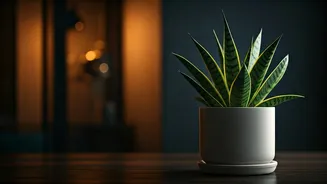
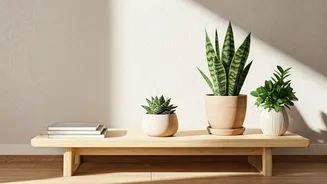
Often called 'mother-in-law's tongue', the snake plant is virtually indestructible, making it perfect for beginners and busy plant parents. It thrives in high humidity and is incredibly resilient to fluctuating conditions. Its tolerance for low light is a major advantage during overcast monsoon days. The snake plant is also a powerful air purifier, removing toxins from the air. It requires minimal care and is not prone to rot, making it an ideal companion for the rainy months when other plants might struggle.
Money Plant: The Fast-Growing Vine
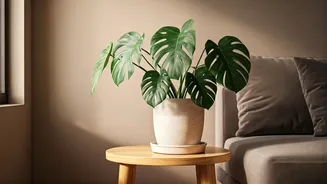
A staple in many Indian homes, the money plant (Pothos) loves the humid environment of the monsoon, often showing a noticeable growth spurt during this time. These fast-growing vines are incredibly versatile and can be grown in both soil and water. They are very forgiving and can handle the indirect natural light typical of the rainy season. Money plants are also known for their air-purifying qualities, efficiently absorbing harmful VOCs from indoor air.
Peace Lily: The Elegant Air-Purifier
The Peace Lily is celebrated for its ability to thrive indoors and its elegant white blooms. It is particularly well-suited for the monsoon because it absorbs excess moisture from the air, which can help reduce mould in damp indoor spaces. This plant is adaptable to most Indian climatic conditions and prefers shady spots away from direct sunlight. While it enjoys a moist environment, ensure the soil is well-draining to prevent root issues. Its ability to clean the air of pollutants makes it a beautiful and functional addition.
Areca Palm: The Tropical Humidifier
If you want to add a tropical feel to your living space, the Areca Palm is an excellent choice. This plant loves a humid environment and grows successfully in the moist conditions of the monsoon, provided it has proper drainage. It acts as a natural humidifier and its feathery fronds become even greener with the increased moisture in the air. Areca Palms are a favourite for terraces and balconies, bringing lush greenery without creating extra work during the rains.
Ferns: The Quintessential Moisture Lovers
Ferns, like the Boston Fern, are the ultimate humidity-loving plants. The moisture-laden air of the monsoon mimics their natural rainforest habitat, making them feel right at home. They are perfect for bathrooms or shaded balconies where they can enjoy high moisture levels and indirect light. Their delicate, lush fronds add a soft, tropical texture to your decor. To keep them happy, ensure their soil remains consistently moist but not waterlogged.
ZZ Plant: The Drought-Tolerant Champion
The ZZ Plant is another low-maintenance hero that is well-equipped to handle the monsoon. Its waxy, glossy leaves are not just beautiful; they also help the plant retain water, making it extremely drought-tolerant and forgiving if you forget to water it. While it has low water needs, it handles the high humidity of the monsoon season exceptionally well. It's a great choice for those who want a plant that looks great without demanding constant attention, surviving well in low-light corners of the home.