






Embrace the Monsoon Advantage
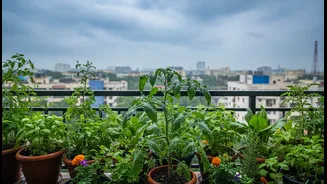
Bengaluru's monsoon, lasting roughly from June to October, offers a unique advantage for urban gardeners. The consistent rainfall reduces the daily chore of watering, while the cooler temperatures (around 20°C to 28°C) and high humidity create ideal conditions
for plant growth. This period allows plants to establish roots quickly and grow with less heat stress compared to the scorching summer months. The moist air is particularly beneficial for propagation, meaning cuttings from existing plants are more likely to thrive. For anyone with a balcony, terrace, or even just a windowsill, this season does half the gardening work for you, making it the perfect time to start or expand your green space.
The Perfect Start: Easy Balcony Herbs
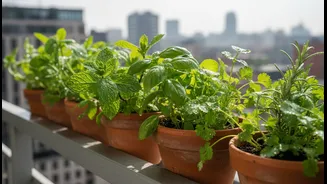
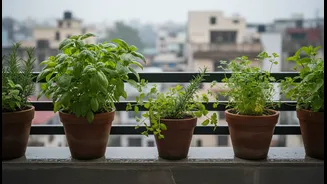
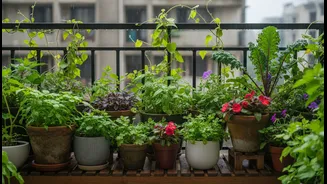
Starting a garden can feel daunting, which is why herbs are an excellent entry point. They are resilient, grow quickly in pots, and many thrive in Bengaluru's climate. Mint (Pudina) is exceptionally easy to grow and loves the moist conditions of the monsoon; it can even be grown from stems bought at the market. Basil (Tulsi), another favourite, requires plenty of light and warmth, and regular trimming will encourage it to grow into a bushy plant. Coriander (Dhania) is also well-suited to the season and can be ready to harvest in just a few weeks. These herbs not only add fresh flavour to your meals but also build your confidence as a gardener, preparing you for the next step.
Level Up to Leafy Greens
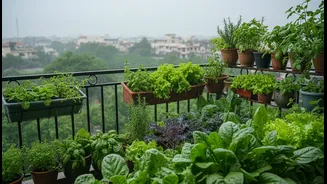
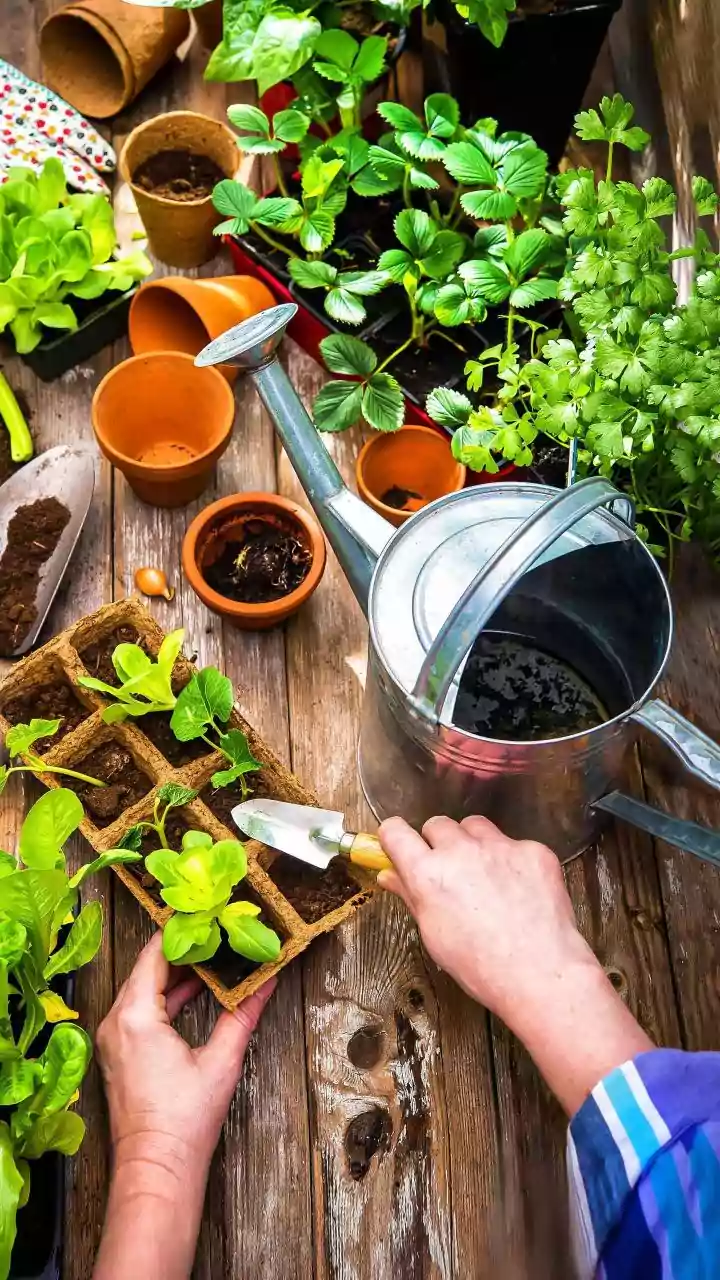
Once you're comfortable with herbs, the monsoon is the ideal time to graduate to growing your own leafy greens. The consistent moisture and moderate temperatures encourage rapid growth for many varieties. Spinach (Palak) is a popular choice that does well year-round but flourishes in the cooler, wetter months. Amaranth (Chaulai) and Fenugreek (Methi) also thrive in these conditions and can be harvested multiple times from the same plant. When planting, it's best to use wide, shallow trays or grow bags with a well-draining soil mix, typically combining garden soil, compost, and cocopeat to prevent waterlogging. By starting with these greens, you can easily create a productive and delicious kitchen garden.
Essential Monsoon Care
While the monsoon provides free water, it also brings challenges. The most critical factor for balcony pots is drainage. Ensure every pot has multiple drainage holes to prevent root rot from waterlogged soil. Elevating pots on bricks, stands, or even flat stones allows excess water to escape freely and improves air circulation. High humidity can also encourage fungal diseases and pests. A preventative spray of neem oil solution every 10-15 days can help keep these issues at bay. Also, be mindful of where you place your plants; some may need to be shielded from heavy downpours or strong winds. Finally, even though it's raining, the soil in pots can sometimes dry out, so always check the top inch of soil before deciding whether to water.
Harvesting Your Monsoon Bounty
The reward for your efforts comes at harvest time. For herbs like mint and basil, regular pruning or pinching of the top leaves encourages the plant to become bushier and more productive. With leafy greens like spinach and amaranth, you can often harvest the outer leaves first, allowing the inner leaves to continue growing for a sustained supply. Vegetables like chillies and tomatoes, which also grow well in the monsoon with proper care, should be staked to keep the fruit off the damp soil. Regularly harvesting your produce not only gives you fresh ingredients for your kitchen but also encourages the plants to keep producing throughout the season.