



Beyond the Usual Suspects
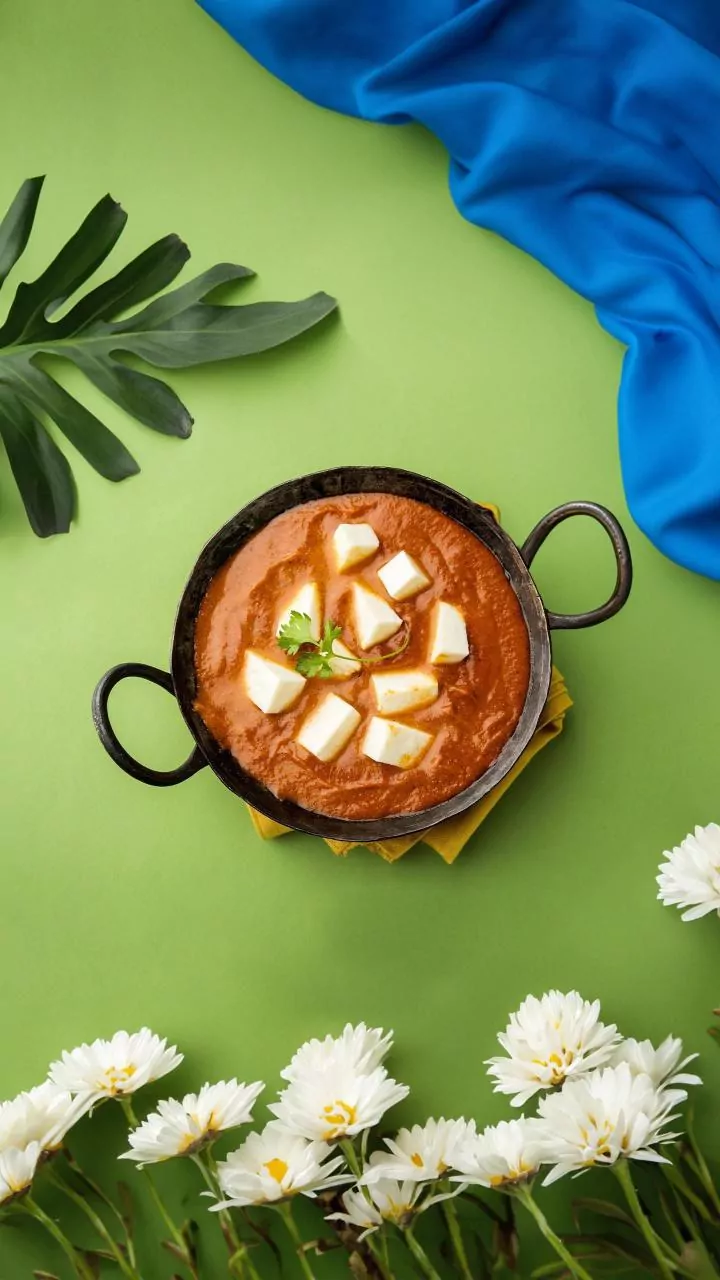
For years, the vegetarian section of many Indian café menus felt predictable. Beyond the paneer sandwiches, chilli potatoes, and an assortment of pastas, innovation was often scarce. While comforting, these choices left a growing number of diners hungry
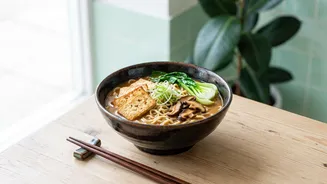
for something new. This predictability, however, is now giving way to a culinary renaissance. Walk into a trendy café in a metro city today, and you are just as likely to find a Korean bibimbap bowl or a Japanese katsu curry as you are a plate of hakka noodles. This shift signals a significant evolution in India's casual dining scene, where cafes are becoming epicentres of global food trends, tailored for the local palate.
The Global Influence on Local Plates
So, what's driving this delicious change? The answer lies in a perfect storm of cultural and digital trends. The single biggest catalyst has been the 'Hallyu' or Korean Wave. The massive popularity of K-dramas and K-pop has introduced millions of Indians, particularly Gen Z and millennials, to Korean culture and, by extension, its food. Scenes of beloved characters enjoying bowls of ramen or spicy tteokbokki have translated into real-world culinary curiosity. Social media has amplified this effect, with food influencers and travel diaries making once-exotic dishes from Japan, Vietnam, and Thailand look both familiar and desirable. This digital exposure, combined with increased international travel, has cultivated a more adventurous and demanding Indian diner who seeks novel experiences.
A Tour of Asia's Vegetarian Stars
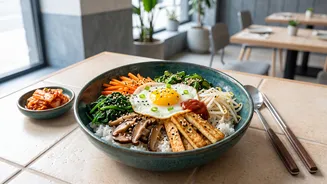
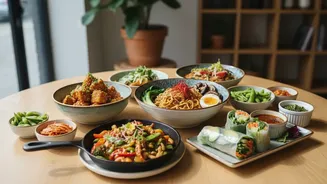
The beauty of this trend is its creative adaptation. Chefs are not just replicating foreign dishes; they are ingeniously vegetarianising them. Japanese Katsu curry, traditionally made with pork, is being reimagined with crispy tofu or paneer cutlets. Vietnamese Phở is appearing with aromatic vegetable broths and fresh herbs, offering a light yet flavourful alternative. Korean cuisine, known for its bold flavours, is a particular star. Vegetarian bibimbap—a colourful bowl of rice, sautéed vegetables, savoury sauces, and often a fried egg—has become a café favourite. Kimchi, a fermented cabbage dish, is no longer just a side but a star ingredient in fried rice, rolls, and even fusion creations like Korean-style paneer bowls. Similarly, Thai green and red curries, rich with coconut milk and aromatic spices, have become menu mainstays, proving that vibrant international food can be completely plant-forward.
A Smart Strategy for Modern Cafes
This menu diversification is more than just a creative exercise; it is a shrewd business decision. A significant portion of the Indian population is vegetarian, and this demographic is actively seeking excitement beyond the usual offerings. By incorporating Pan-Asian vegetarian dishes, cafes can tap into this large and underserved market. These dishes are often visually appealing and 'Instagrammable', generating organic social media buzz. Furthermore, offering a diverse menu that spans multiple cuisines allows a single establishment to cater to groups with varied tastes—a common scenario in India where dining is a social affair. A menu that can please someone craving a familiar Indian flavour while also satisfying a friend eager to try Japanese ramen is a recipe for success.