


The Foundation of Flavour
In millions of Indian homes, the process of cooking a meal often begins with the same ritual: slicing an onion. This humble vegetable is the starting point for a vast number of dishes, forming the very base of their flavour. In a technique known as 'bhuna',
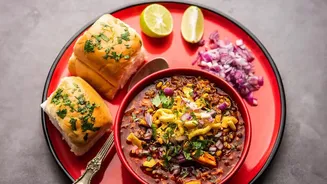
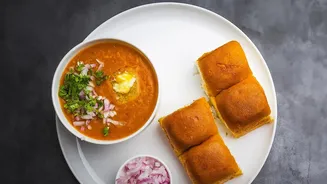
onions are slowly sautéed in oil or ghee, breaking down to create a sweet, aromatic, and deeply savoury foundation. This process is essential for creating the thick, rich gravies of many classic curries. Without the onion, dishes from a simple dal to a complex korma would lack their characteristic depth and body. Its role extends beyond gravies; raw onions provide a sharp, crunchy contrast in kachumber salads and are an indispensable garnish for street food, while fried onions, or 'birista', add a rich, caramelized sweetness to biryanis.
An Economic and Political Bellwether
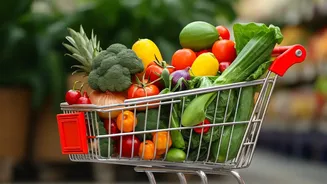
The onion’s importance goes far beyond the culinary world; it is a sensitive economic and political indicator. Due to its status as a staple, its price is intensely watched by households and governments alike. India is the world's second-largest onion producer, yet the crop is notoriously volatile. Prices can fluctuate wildly due to factors like unseasonal rains damaging harvests, inadequate storage infrastructure, and logistical bottlenecks. A sudden price spike can strain household budgets, especially for low-income families, forcing them to reduce consumption or seek lesser substitutes. Historically, soaring onion prices have been linked to significant political fallout, influencing election outcomes and becoming a symbol of a government's ability to manage inflation and protect the common person's interests.
Adapting in the Kitchen When Prices Rise
When the cost of onions surges, home cooks across the country are forced to adapt. For many, simply using fewer onions is the first step, though this can compromise the taste and texture of beloved family recipes. Some may try to stretch the flavour by using other vegetables like cabbage or more tomatoes as a base, but these substitutes often fail to replicate the unique sweetness and body that onions provide. These periods of high prices highlight the deep dependency on the vegetable. The need to ration an ingredient that is normally used so generously changes the very nature of everyday cooking, turning a simple, affordable staple into a precious commodity. Recent reports from October 2026 show that onion prices remain elevated due to delayed Kharif crop arrivals, putting continued pressure on household food costs ahead of the festive season.
A Culinary World Without Onions
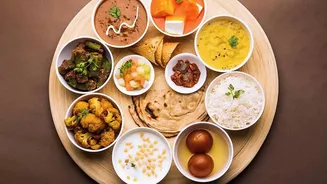
While central to many regional cuisines, particularly in North India and Mughlai-influenced food, it is important to note that not all Indian cooking relies on onions. There are significant culinary traditions where onions and garlic are intentionally omitted. Adherents of Jainism, some Brahmin communities, and those following a 'Sattvic' diet for spiritual or Ayurvedic reasons avoid all alliums. In these cuisines, other ingredients step in to provide flavour and depth. Asafoetida (hing) offers a pungent, savoury note, while poppy seeds, sesame seeds, coconut, and yogurt are used to create thick, flavourful sauces. These traditions demonstrate a different path to flavour, proving the incredible diversity of Indian food, even without its most common ingredient.