



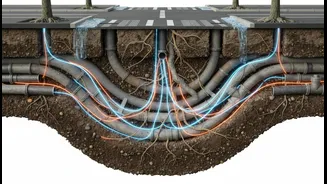




The Unseen World Below Ground
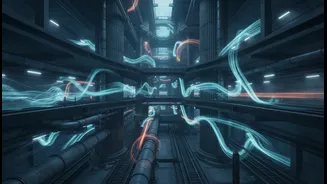
Most city dwellers are familiar with the gust of wind that precedes a train arriving at a metro station. This phenomenon, known as the 'piston effect,' where the train pushes a column of air in front of it and pulls air in behind it, is just one example
of the complex airflow dynamics at play underground. These subterranean environments, from metro systems to utility tunnels and underground walkways, have their own unique microclimates. Ventilation is essential not just for comfort, but for survival, supplying fresh air and removing pollutants. However, the natural and mechanical movement of this air is often an overlooked aspect of urban design, with huge potential implications for public safety and health. Understanding these dynamics is the first step toward harnessing them for our benefit.
From Nuisance to Lifesaver
Uncontrolled airflow in underground spaces can pose significant risks. In the event of a fire, ventilation systems can either provide a clear, smoke-free evacuation route or tragically spread lethal smoke and heat through tunnels and stations. Beyond fire, these air currents can distribute pollutants, from brake dust and other particulate matter to harmful microorganisms, affecting the health of millions of commuters. The same dynamics also influence temperature and humidity, contributing to uncomfortable conditions. However, by actively designing and managing this airflow, engineers can turn a potential hazard into a powerful safety tool. A well-designed system can strategically direct smoke away from escape paths, dilute and flush out airborne contaminants, and regulate temperature for passenger comfort and safety.
Engineering the Air We Breathe
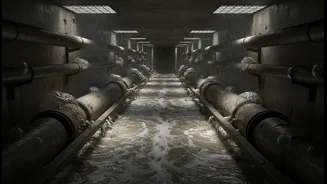
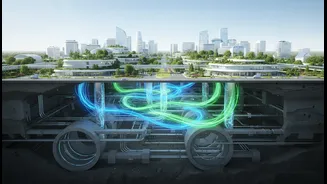
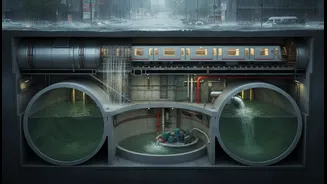
The key lies in moving from a passive to an active approach. Modern urban planning is increasingly using sophisticated tools like Computational Fluid Dynamics (CFD) to model and predict how air will behave in complex underground geometries. These simulations allow architects and engineers to test different designs virtually before a single shovel breaks ground. They can optimize the placement and size of ventilation shafts, design stations that promote natural airflow, and develop 'smart' ventilation systems. These systems use sensors to monitor air quality, temperature, and smoke in real-time, automatically adjusting fans and dampers to respond to changing conditions, whether it's a crowded platform on a hot day or an emergency incident. Recent research has even shown how unexpected factors, like water from heavy rain descending a shaft, can act like a giant piston, dramatically altering airflow and providing critical information for managing ventilation during emergencies.
Building the Resilient Cities of Tomorrow
As cities across India and the world continue to grow denser and build more extensive underground infrastructure, incorporating airflow dynamics into the initial design phase is no longer a luxury—it's a necessity. Many older systems were built with basic ventilation in mind, but modern challenges require more sophisticated solutions. By thinking about airflow from the start, cities can reduce the long-term energy costs of running massive fan systems, which can account for up to 50% of an underground mine's energy use, a comparable heavy-duty environment. More importantly, they can create subterranean public spaces that are inherently safer and healthier. Projects are already underway globally to retrofit existing systems and implement these principles in new ones, sometimes using AI to control ventilation for better air quality and temperature management. This proactive approach to managing the invisible environment beneath our feet is a crucial step in building truly smart and resilient cities for the future.