



Why the Humble Matka Is Making a Comeback
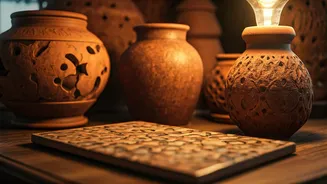
There's a reason terracotta is taking over our feeds. For one, it’s incredibly affordable and widely available, from the local nursery to online stores. In a world leaning towards sustainability, the earthy, natural appeal of terracotta resonates deeply.
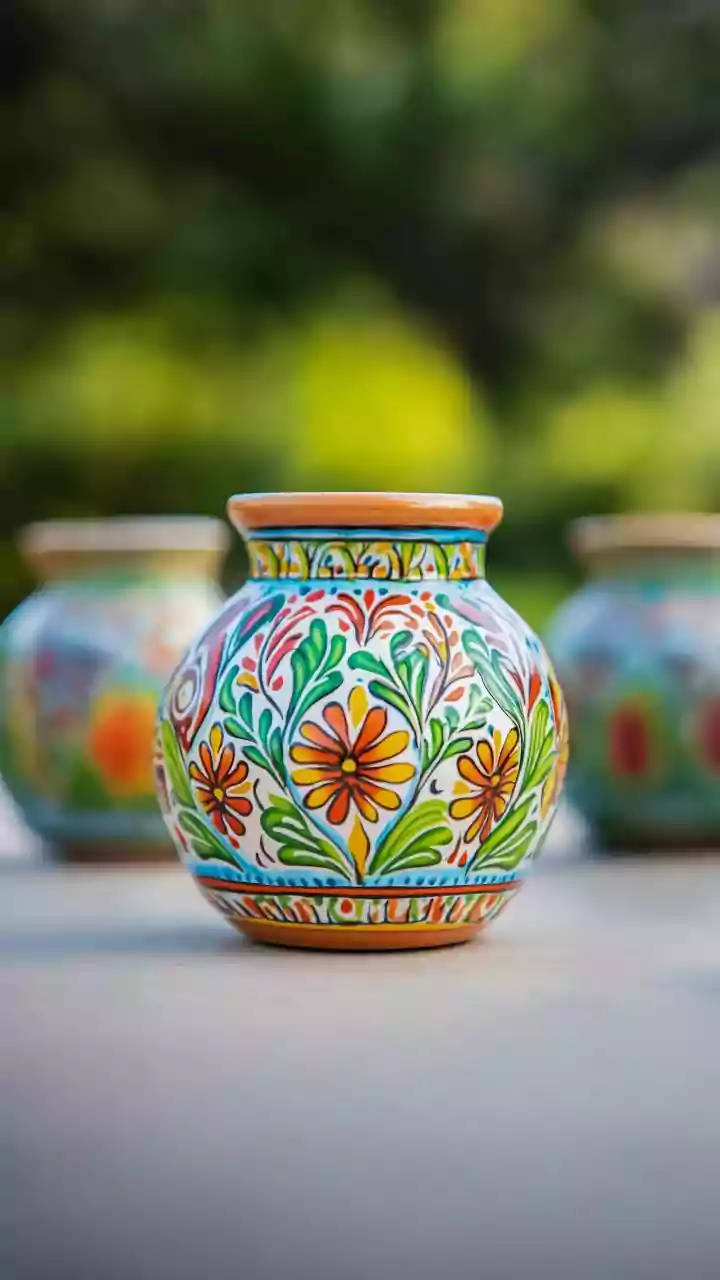
It connects us to a long tradition of using clay in Indian households, from water matkas to festive diyas. This isn't just about crafting; it's about embracing an eco-friendly material that is both timeless and versatile. Upcycling these pots allows for endless creativity, turning a simple object into a personalized piece of art that reflects modern aesthetics, whether it's rustic charm or minimalist chic. The trend is a perfect blend of nostalgia, sustainability, and budget-friendly home improvement.
Technique 1: The Coveted 'Aged' Look
One of the most popular upcycling techniques is creating a faux-aged or vintage patina. This rustic, weathered look makes a brand-new pot look like a treasured find from an old garden. There are several ways to achieve this. A common method involves using a lime wash. Simply mix garden lime with water to create a thin paste and apply it unevenly with a brush. Once dry, you can lightly sand parts of the pot to let the original terracotta colour peek through, enhancing the aged effect. Another technique involves 'whitewashing' with diluted white acrylic paint. Apply a thin layer, then use a dry cloth or brush to dab and smudge the paint, creating an inconsistent, weathered finish. For an added touch of authenticity, some DIY-ers even use green or brown paint to mimic the look of moss or algae.
Technique 2: Modern and Minimalist Patterns
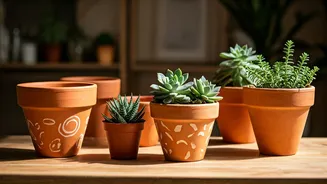
For those who prefer a clean, contemporary aesthetic, terracotta pots serve as a perfect canvas for modern designs. Using acrylic paints and painter's tape, you can create sharp, geometric patterns that pop. Think colour-blocking with bold hues, simple horizontal stripes, or abstract shapes in a neutral, earthy palette. One simple yet effective idea is the 'dipped' look, where only the bottom half of the pot is painted in a solid colour. Another trend involves painting abstract faces with simple, clean lines, adding a touch of personality and whimsy. To get a textured, matte finish that looks like expensive ceramic, some creators mix baking soda into their acrylic paint, which creates a thick, almost plaster-like consistency. This trick works wonderfully for achieving a high-end look on a low budget.
Technique 3: Adding Texture and Dimension
Moving beyond paint, the trend also embraces adding physical texture to the pots. This creates a more sculptural and tactile piece of decor. DIYers use materials like joint compound, plaster, or air-dry clay to build up the surface of the pot. By applying the compound with a palette knife or even their fingers, they can create everything from rough, stucco-like finishes to smooth, flowing lines. This method is particularly forgiving and allows for a lot of creative freedom. Once the texture is dry, the pot can be painted to unify the design. Popular styles include bohemian-inspired patterns, speckled polka dots for a playful touch, or abstract swirls in neutral tones for a sophisticated, modern feel.
Beyond the Planter: More Creative Uses
The upcycling trend doesn't stop at just holding plants. These aesthetically pleasing pots are being repurposed all around the home. A large, decorated pot can be flipped over and topped with its saucer to become a chic side table for a balcony or patio. Smaller pots are being turned into utensil holders for the kitchen, adding a rustic touch to the countertop. By filling them with wax, you can create beautiful, earthy candle holders. They also make for great decorative accents on their own; a stack of aged-looking pots on a shelf can create a cohesive, rustic display. Some have even used them to create drink dispenser stands for parties or unique wreaths for their front doors.
Tips for a Lasting Finish
To ensure your beautiful creation lasts, a few preparatory steps are key. Before you start, make sure your pot is clean and dry. Because terracotta is porous, it can absorb moisture from the soil, which might cause your paint to peel over time. To prevent this, it's highly recommended to seal the inside of the pot with a clear, water-based sealer before you begin decorating the outside. After your design is complete and fully dry, applying a coat of matte or satin varnish or a clear spray sealer to the exterior will protect your handiwork from scratches, water, and sun damage, especially if the pot will be kept outdoors.