



A Landmark Day for Indian Transit
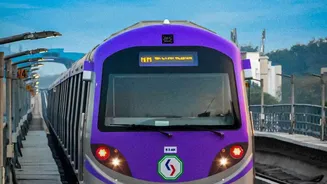
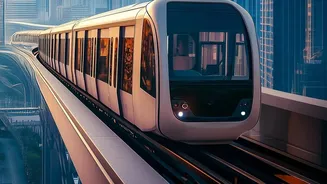
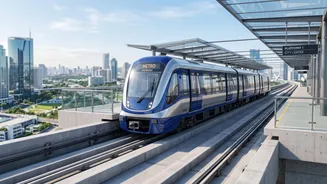
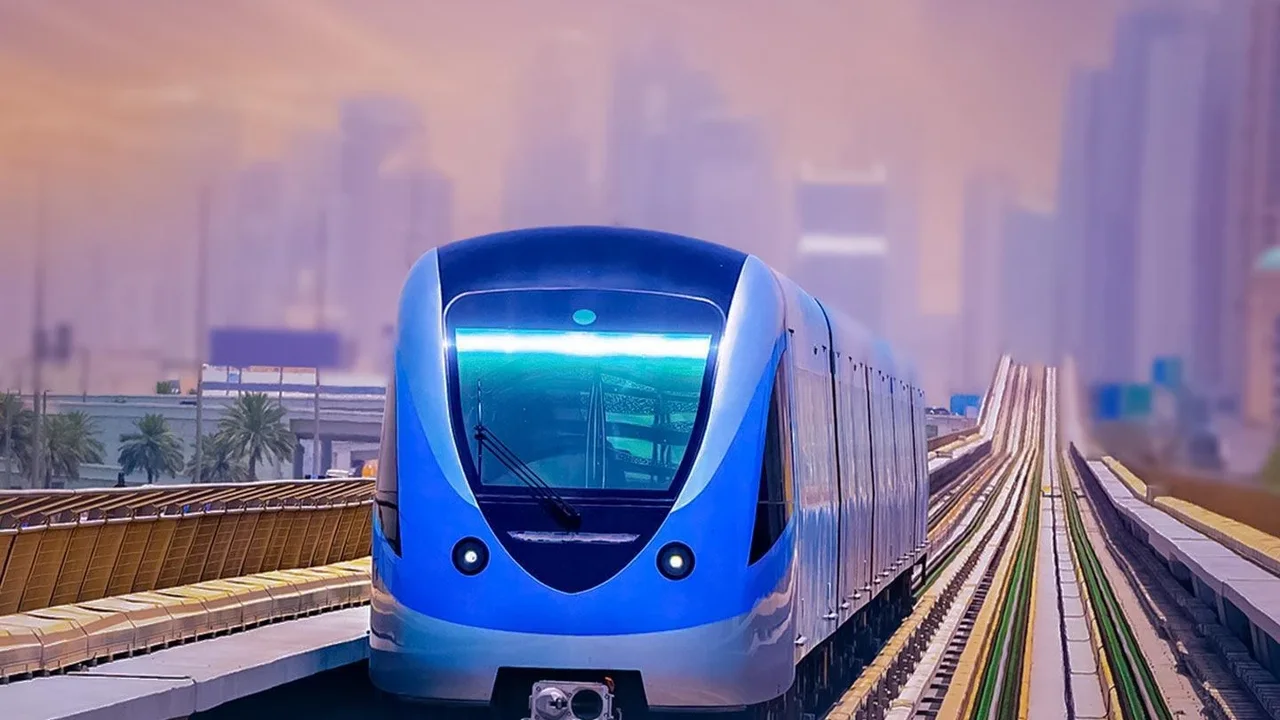
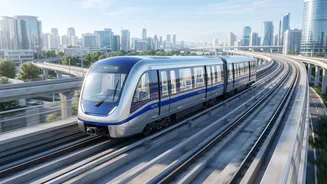
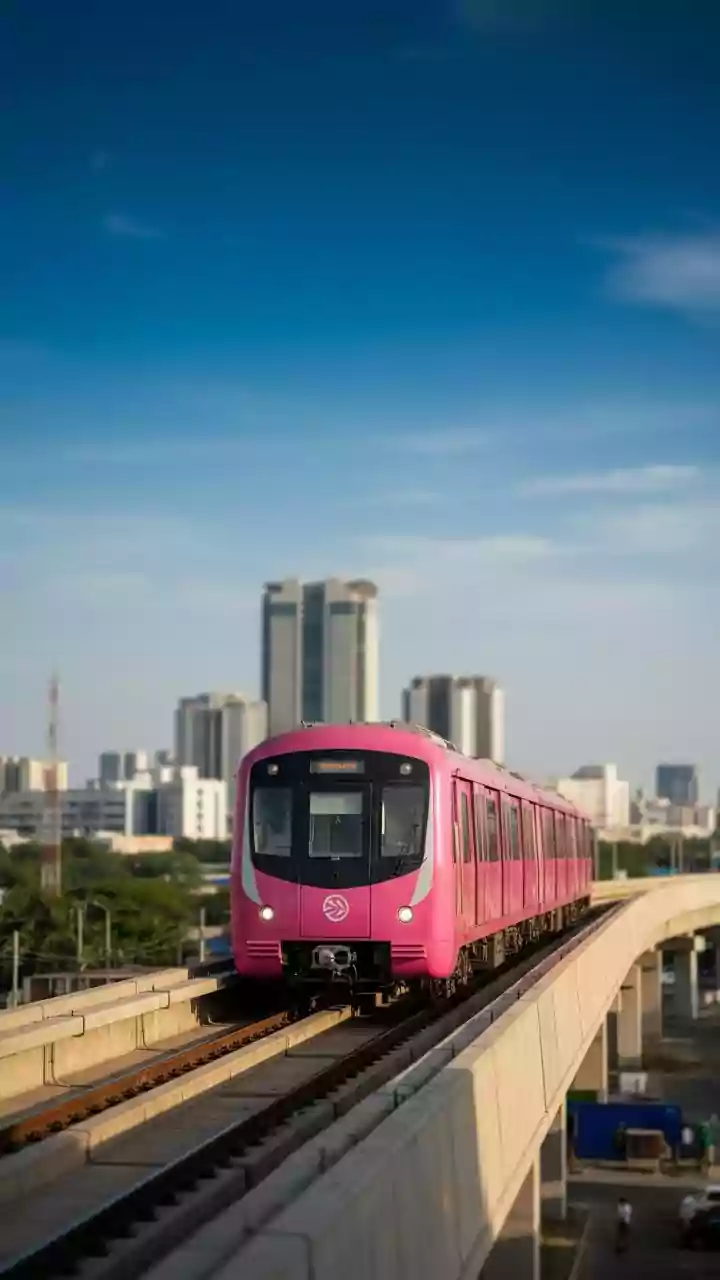
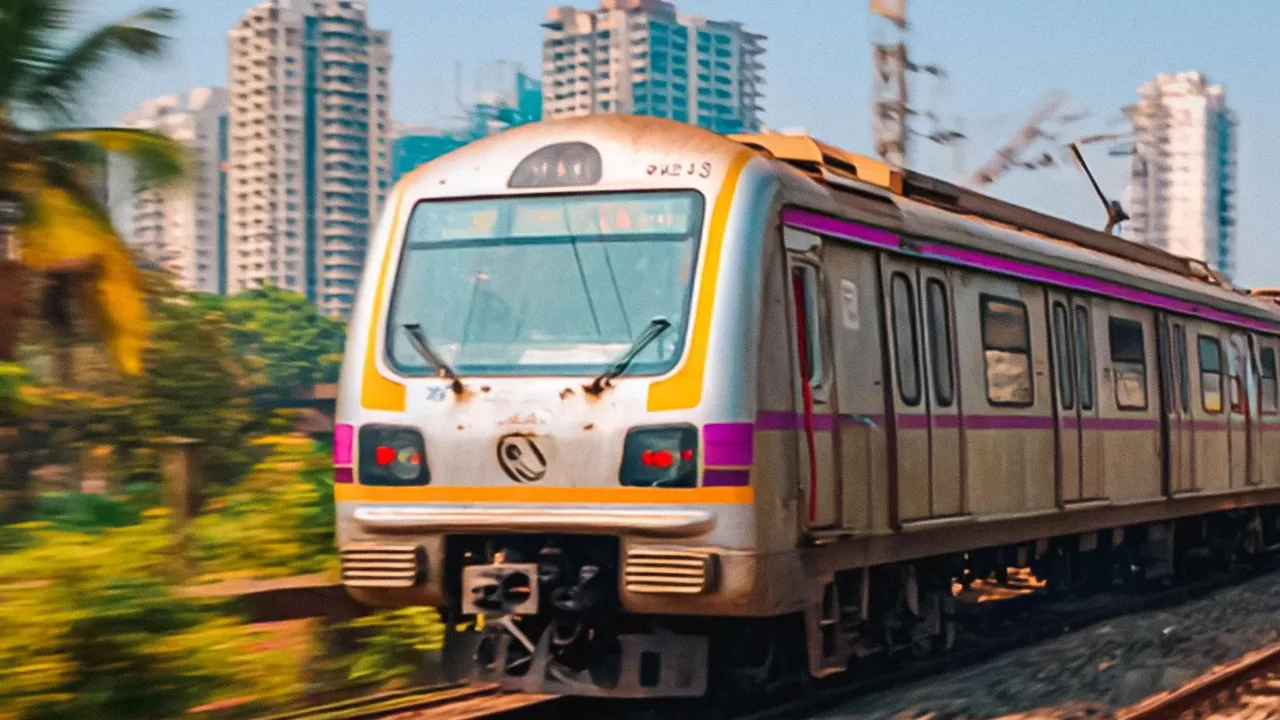
On November 2, during the pre-Diwali rush, a staggering 1.6 million commuters travelled on the Delhi Metro's driverless trains. This figure means that roughly one in every five passengers on the entire network that day chose a service running on Unattended
Train Operation (UTO) technology. This record, achieved on the Magenta and Pink lines, is a powerful validation of the system that was first launched in India in December 2020. The Delhi Metro Rail Corporation (DMRC) now operates 100 driverless trains across 120 km of its network, making it one of the largest driverless systems globally. The success is so significant that DMRC's managing director has openly suggested that it's time for other metro projects in India to follow this model.
Understanding 'Driverless' Technology
The term 'driverless' can sound futuristic or even unnerving, but it is part of a globally recognised scale called Grades of Automation (GoA). This scale ranges from GoA 0 (manual, on-sight operation) to GoA 4 (fully unattended operation). Most conventional metro systems operate at GoA 1 or 2, where a driver is still in the cab, even if the system has automatic protections. Delhi's Magenta and Pink lines operate at GoA 3 and are moving toward GoA 4, where no staff are in the cabin at all. At this level, functions like acceleration, braking, door operations, and even handling minor disruptions are managed automatically by a central control system. This automation is enabled by Communication-Based Train Control (CBTC), which allows trains to run closer together safely, increasing frequency and network capacity without laying new tracks.
The High Cost of Progress
If the technology is so successful, why are other cities not rushing to adopt it? The primary obstacle is the formidable upfront cost. Implementing GoA 4 technology requires specialised rolling stock, advanced signalling systems like CBTC, and platform screen doors for safety—all of which carry a significant price tag. While these systems can lead to long-term operational savings, the initial capital investment is a major deterrent for state governments and transit authorities already managing tight budgets. Experts note that for a country like India, with lower staffing costs compared to developed nations, the economic argument for replacing human drivers with expensive automated systems is not always straightforward.
Jobs, Policy, and Public Perception
Beyond the financial calculations, there is the sensitive issue of employment. In a country where public sector jobs are highly valued, the prospect of making thousands of train operators redundant is a major political and social concern. While the DMRC has stated that it has successfully redeployed its operators to other roles like station management without any layoffs, this concern remains a significant hurdle for a nationwide policy. Furthermore, there is no unified national mandate pushing for driverless technology. The decision is left to individual cities, which also have to contend with public perception. Surveys have shown that while people appreciate efficiency, a significant number still feel safer with some form of human presence on board, even if it's just an attendant.
The Path Forward: A City-by-City Approach
Despite the lack of a national rollout, the driverless future is arriving in pockets. After Delhi, cities like Bengaluru, Mumbai, and Chennai are already incorporating driverless technology into their new metro lines. Manufacturers like Alstom are producing GoA 4-ready trainsets right here in India, signalling a growing domestic ecosystem for this advanced technology. For now, the expansion of driverless metros will likely continue on a case-by-case basis, with new corridors being designed for automation from the start. Retrofitting older lines across the country remains a far more complex and expensive proposition that is unlikely to be undertaken soon. India has proven its capability, but the journey towards a fully automated national metro network will be a marathon, not a sprint.