



The Lithium-Ion Bottleneck
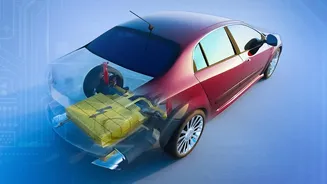
For years, the electric vehicle revolution has been powered by lithium-ion batteries. While effective, they have a significant downside: cost and supply chain vulnerability. The battery is the single most expensive component in an EV, often accounting
for 40-50% of the vehicle's total cost. This is largely due to the materials inside, particularly lithium and cobalt. These minerals are not abundant, and their mining and processing are concentrated in a handful of countries. This creates geopolitical risks and price volatility, making it difficult for manufacturers to bring down costs, especially for the budget-conscious Indian market. India's heavy reliance on imports for these critical minerals presents a major challenge to its goals of self-reliance and clean energy dominance.
Enter Sodium-Ion: The Homegrown Challenger
This is where sodium-ion battery technology comes in. Instead of relying on expensive and geographically concentrated lithium, these batteries use sodium—a far more common element. The core raw material can be derived from sources as simple and plentiful as common salt. This dramatic shift in materials could significantly slash battery production costs, with some estimates suggesting a 25-40% reduction compared to their lithium-ion counterparts. For India, a country with vast sodium resources, this technology represents a strategic opportunity to build a domestic battery manufacturing ecosystem from the ground up, reducing import dependency and aligning with the 'Atmanirbhar Bharat' mission.
Indian Companies Leading the Charge
This isn't just a theoretical concept; Indian companies are actively developing and commercialising sodium-ion technology. Conglomerates like Reliance Industries have made significant investments, acquiring UK-based sodium-ion pioneer Faradion and fast-tracking plans to build a giga factory. Pune-based software and engineering firm KPIT Technologies has also unveiled its own indigenous sodium-ion battery technology, which it is commercialising with a partner, Trentar Energy Solutions. These batteries promise not only lower costs but also a long lifespan of 3,000-6,000 cycles and faster charging capabilities. This local development is crucial for creating an EV market that is not just clean, but also economically sustainable for India.
The Perfect Fit for Budget Mobility
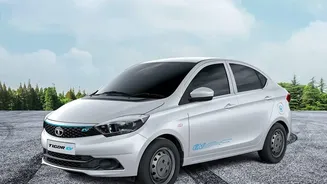
Sodium-ion batteries do have a trade-off: lower energy density. This means that for the same size and weight, they currently store less energy than a premium lithium-ion battery, resulting in a shorter driving range. However, this limitation makes them perfectly suited for the segments where India's EV revolution is happening fastest: two-wheelers, three-wheelers, and budget-friendly city cars. For these use cases, where daily travel distances are predictable and affordability is the top priority, a massive driving range is less important than a lower purchase price. Sodium-ion batteries also offer better performance in varying temperatures and enhanced safety, as they can be transported at zero volts, reducing fire risk.
The Road Ahead: Hurdles and Timelines
While the potential is enormous, widespread adoption won't happen overnight. The technology is still maturing, and manufacturers need to build out entire supply chains and scale up production to achieve the desired cost benefits. Companies like Reliance are targeting 2026 to begin battery cell manufacturing. Some vehicle manufacturers are looking at launching sodium-ion powered two-wheelers by late 2025 or early 2026. Many experts see a future where sodium-ion and lithium-ion technologies coexist, with sodium-ion powering affordable, shorter-range vehicles and lithium-ion reserved for long-range and performance models. This dual-chemistry approach could be the most effective way to accelerate electrification across all segments of the Indian market.