




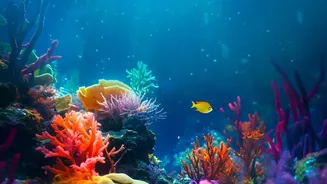
A Crisis of Colour and Life
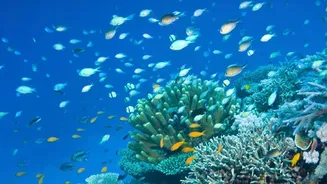
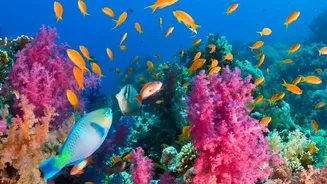
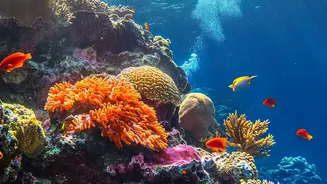
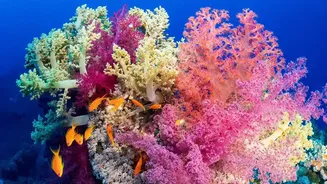
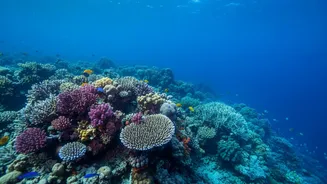
Coral reefs are not just beautiful; they are crucial to ocean health and support thousands of species. However, climate change poses an existential threat. When water temperatures get too high for too long, corals expel the symbiotic algae living in their
tissues, which provide them with food and their vibrant colours. This process, known as coral bleaching, leaves the coral skeleton a stark white and vulnerable to starvation and disease. Recent years have seen unprecedented mass bleaching events on iconic systems like the Great Barrier Reef, where huge sections have been severely damaged. This silent emergency has spurred marine scientists into action, looking for ways to help reefs adapt faster than they can on their own.
The Search for 'Super Corals'
The fight to save reefs has led to a fascinating field of science focused on enhancing coral resilience. Researchers are identifying and breeding corals that have naturally survived past bleaching events. This selective breeding aims to pass on heat-tolerant genes to the next generation, creating tougher offspring. Beyond just picking natural winners, scientists are also using a suite of techniques known as 'assisted evolution'. In labs like Australia's National Sea Simulator, researchers can condition corals by gradually exposing them to warmer water, helping them and their offspring acclimatise to future ocean conditions. Another approach involves modifying the coral's microscopic algae partners, evolving them to withstand higher temperatures before reintroducing them to the coral.
From the Lab to the Lagoon
Creating a heat-resistant coral is only half the battle; the next challenge is getting it back onto the reef to grow. One of the most promising methods is known as 'Coral IVF'. During the annual mass spawning event, when corals release their eggs and sperm, scientists collect this spawn from healthy, resilient corals. They then rear millions of baby corals in floating nursery pools on the reef or in land-based tanks, dramatically increasing the survival rate from a one-in-a-million chance in the wild. Once the larvae are ready, they are delivered to damaged reef areas using specially designed devices that help them settle and attach. Another technique involves growing small coral fragments in underwater nurseries and then 'outplanting' them onto degraded reef structures.
Early Hope and a Dose of Reality
The results from these efforts are providing crucial glimmers of hope. The first batch of 'IVF' baby corals on the Great Barrier Reef have not only survived a bleaching event but have now grown to maturity and reproduced on their own, a major milestone. However, scientists are quick to caution that this is not a silver bullet solution. Restoration projects are expensive, labour-intensive, and currently operate on a very small scale relative to the vastness of the world's reefs. Researchers stress that these techniques are a way to buy time and maintain pockets of healthy reef that can hopefully reseed other areas naturally. They are a critical tool in the conservation toolbox, but they cannot replace the need for global action on climate change, which remains the primary threat to coral ecosystems.