






A Shock Defeat on Home Soil
The year is 1882. The setting is The Oval in London. Australia is touring England for a single, decisive Test match. In a stunning turn of events, Australia secures its first-ever victory on English soil, beating the hosts by a narrow margin of just seven
runs. The loss was a national humiliation. For the proud English public, who considered themselves the masters of the game, losing to a colonial upstart at home was unthinkable. The mood was grim, and the press was unforgiving, but one journalist's satirical take would change cricket history forever.
The Obituary That Sparked a Legend
In the days following the defeat, a small notice appeared in the British newspaper, The Sporting Times. It was not a standard match report but a mock obituary, penned with dramatic flair. It read: “In Affectionate Remembrance of ENGLISH CRICKET, which died at the Oval on 29th August, 1882, Deeply lamented by a large circle of sorrowing friends and acquaintances. R.I.P. N.B.—The body will be cremated and the ashes taken to Australia.” This satirical death notice for English cricket was an instant sensation. The idea that English cricket had been 'cremated' and its 'ashes' sent to Australia captured the public imagination. A joke had just given birth to a legend.
The Quest to Reclaim the Ashes
The English cricket establishment did not take the insult lying down. A tour to Australia was already planned for the following winter (1882-83). Its captain, the Honourable Ivo Bligh, embraced the narrative created by the newspaper. Before setting sail, he publicly vowed that his team was embarking on a quest “to regain those ashes.” The media quickly dubbed the tour “the quest to regain the Ashes,” turning a joke into a national mission. Suddenly, the series was no longer just a collection of matches; it had a name, a purpose, and a powerful story.
The Legendary Urn
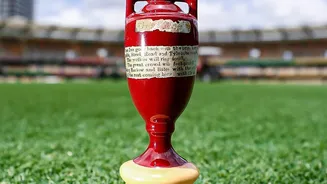
After a hard-fought series, England emerged victorious, winning two of the three Tests. During the tour, following a social match in Melbourne, a group of ladies, including Bligh's future wife Florence Morphy, presented him with a small, terracotta urn. This tiny vessel, thought to be a perfume jar, is believed to contain the ashes of a burnt cricket bail. It was a personal, humorous gift symbolising the 'ashes' that Bligh had successfully reclaimed. This urn became the physical embodiment of the Ashes legend. However, it is crucial to note that the urn has always remained a personal memento and has never been the official series trophy. The original remains at the MCC Museum at Lord's, with the winning team hoisting a replica.
A Rivalry Forged in Fire
More than 140 years later, the term 'Ashes' represents far more than a quirky origin story. It symbolises one of the deepest and most enduring rivalries in all of sport. The name has imbued the series with a sense of history and gravitas that elevates it beyond a simple contest. Every two years, when England and Australia meet, they aren't just playing for runs and wickets; they are battling for the symbolic remains of English cricket, born from a single, shocking defeat and a clever piece of journalism. It's a testament to how tradition and storytelling can transform a sporting event into a cultural phenomenon that captivates nations.