







Beyond Wrinkles: What Is 'Molecular Ageing'?
When we think of ageing, we often picture grey hair and laugh lines. But the real process happens on a microscopic scale. Our 'biological age' can be very different from our chronological age, and it’s determined by the health of our cells. Key indicators
include the length of telomeres—protective caps on the ends of our DNA that shorten over time—and epigenetic changes, which are chemical tags that affect how our genes are expressed. Studies show that lifestyle factors, especially exercise, can directly influence these molecular markers, effectively slowing down the ageing process from the inside out. For example, high levels of physical activity are linked to significantly longer telomeres, which can translate to a biological age advantage of several years.
Your Muscles: The Secret Endocrine Organ
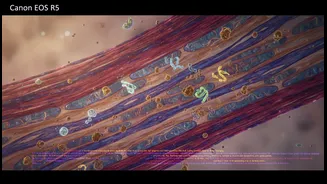
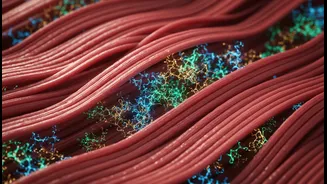
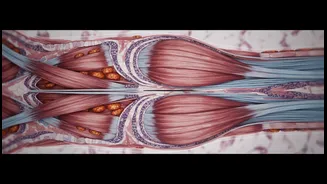
Historically, we viewed muscles simply as the machinery for movement. Today, science understands skeletal muscle as a powerful endocrine organ. When you exercise, your contracting muscles don't just burn calories; they produce and release hundreds of beneficial small proteins called myokines. These molecules travel through your bloodstream and communicate with other organs, including your brain, bones, and fat tissue. Myokines have powerful anti-inflammatory effects, help regulate metabolism, and can even protect against chronic diseases. Some specific myokines, like CLCF1, are released during exercise and have been shown to help protect against musculoskeletal ageing. This constant cellular cross-talk is a major reason why physical activity has such widespread benefits, well beyond simply building bigger biceps.
How Exercise Turns Back the Clock
The most exciting findings show that exercise can reverse some of the age-related decline seen in muscle tissue at a genetic level. As we get older, the function of our mitochondria—the energy powerhouses within our cells—tends to decline, and gene expression patterns shift. However, studies comparing older and younger adults found that after a period of regular exercise, the gene expression profiles in the muscles of older participants were remarkably rejuvenated, looking much more like those of their younger counterparts. In fact, one study found that regular exercisers didn't show about 50% of the typical age-related changes in gene expression. Recent research from July 2026 even identified a molecular 'switch' that exercise can flip, helping older muscles clear out damage and maintain strength by lowering levels of a gene called DEAF1.
The Winning Combination: Strength and Endurance
So, what kind of exercise is best? The answer seems to be a combination of both resistance training and endurance (or cardio) exercise. Resistance training—using weights, bands, or your own bodyweight—is crucial for combating sarcopenia, the age-related loss of muscle mass and strength. It builds muscle tissue, improves power, and stimulates bone growth, which helps reduce the risk of falls and fractures. It also enhances cognitive function and mood. Endurance exercises like jogging, swimming, or cycling are particularly effective at improving mitochondrial efficiency and preserving telomere length. Studies have shown that both moderate-intensity cardio and high-intensity interval training (HIIT) can activate enzymes that lengthen telomeres, effectively turning back your biological clock. By combining both types of training, you get the dual benefits of stronger muscles and enhanced cellular repair.
Putting the Science Into Practice
Understanding the 'why' behind exercise makes it easier to stay motivated. The key takeaway is that consistency is more important than intensity for long-term benefits, especially for older adults. Aim for a routine that you can stick with, incorporating both strength and cardio. For strength, the American College of Sports Medicine recommends training for older adults, and experts suggest starting around age 50 is a great time to build a foundation. This could mean two to three sessions per week focusing on major muscle groups. For cardio, guidelines recommend at least 150 minutes of moderate-intensity activity per week. But remember, it's never too late to start. Studies show that even people who begin resistance training in their 70s and 80s can see significant improvements in strength and muscle health, reversing age-related changes at the molecular level.