






A Familiar Foe with a Winter Twist
El Niño, the periodic warming of sea surface temperatures in the central and eastern Pacific Ocean, is a familiar term for most Indians, primarily associated with its potential to weaken the summer monsoon. However, its influence doesn’t end with the Kharif
season. Forecasts from global agencies indicate a high probability of a strong El Niño event persisting through the Northern Hemisphere winter of 2026-27. For India, this presents a different, more complex set of challenges. Unlike its relatively straightforward impact on summer rains, El Niño’s winter footprint can be varied. The primary concern is not a lack of rain, but rather the disruption of normal winter weather patterns, particularly temperature. A strong El Niño can lead to warmer-than-average winters across the subcontinent, a condition that poses a direct threat to the growth cycle of winter crops.
The Great Indian Wheat Worry
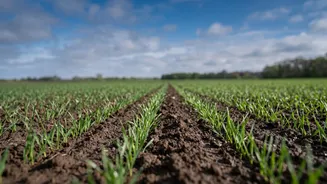
The Rabi season, which sees sowing from October to December, is dominated by one crucial crop: wheat. India is the world's second-largest wheat producer, and the grain is a staple for millions. The wheat crop is particularly sensitive to temperature. It requires a sustained period of cool weather, especially during its vegetative growth phase, to mature properly. A warmer-than-usual winter, a known potential outcome of a strong El Niño, can be disastrous. It can disrupt the crucial grain-filling stage, leading to shrivelled grains and a significant drop in both the quality and quantity of the yield. Past instances of warmer winters have already shown their negative impact on wheat production in the key growing states of Punjab, Haryana, and Uttar Pradesh. With forecasts pointing towards a potentially historic El Niño, the risk to the country's primary cereal crop is a matter of national concern.
Beyond Wheat: A Cascade of Risk
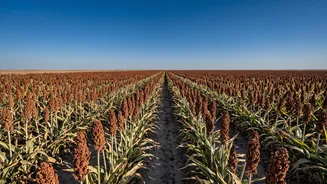
The threat is not limited to wheat. The entire Rabi crop basket, which includes essential commodities like mustard, barley, and various pulses (chana, masoor), is vulnerable. These crops also have specific temperature and moisture requirements that could be disrupted. For instance, El Niño can affect the frequency and intensity of Western Disturbances, weather systems that originate in the Mediterranean region and bring crucial, gentle winter rainfall to the northern plains. A reduction in this rainfall could induce moisture stress in rain-fed agricultural areas, further compounding the problems caused by elevated temperatures. This dual threat of higher temperatures and altered rainfall patterns puts the entire winter crop ecosystem at risk, threatening the livelihoods of millions of farmers who depend on the Rabi harvest.
From Farm Gate to Kitchen Budget
The potential consequences of a poor Rabi harvest extend far beyond the farm. Agriculture is a cornerstone of the Indian economy, and a significant shortfall in winter crops could have widespread ripple effects. Lower production would directly impact farmer incomes, potentially suppressing rural demand, which is a key driver of economic growth. For the wider population, a shortage of staples like wheat and pulses could lead to a spike in food inflation, straining household budgets across the country. The government is already taking notice, with regional agricultural conferences being held to devise strategies to tackle the potential effects of El Niño. These discussions often revolve around managing water resources, ensuring the availability of quality seeds, and promoting crop diversification to mitigate the looming risks.
Preparing for a Challenging Season
While the El Niño threat is significant, it does not mean a disastrous outcome is inevitable. Advances in climate science and forecasting provide a crucial advantage: time to prepare. Agricultural ministries at the central and state levels are actively monitoring the situation and issuing advisories to farmers. These preparations include promoting the use of drought-resistant and heat-tolerant crop varieties, encouraging water conservation techniques like drip irrigation and rainwater harvesting, and ensuring the availability of crop insurance to cushion farmers from financial losses. For farmers, paying close attention to advisories from agricultural universities and local authorities will be key. Adjusting sowing times, selecting appropriate crop varieties, and managing irrigation water efficiently can help reduce the impact of adverse weather. The challenge is significant, but proactive measures can help navigate the uncertainties of the season ahead.