




The Unpredictable Tail-End of the Monsoon
September is a transitional month for India's weather. While the southwest monsoon typically begins its withdrawal, this process is not uniform. A weather system moving inland from the Bay of Bengal is expected to keep the rain belt active across eastern,
central, and northern India into the first week of September. The India Meteorological Department (IMD) has forecast that wet conditions will persist, with several regions likely to experience heavy to very heavy rainfall. This late-stage activity means that travellers can face sudden downpours and rapidly changing conditions, even in areas where the monsoon appears to be weakening. This unpredictability is the primary reason for heightened caution.
High-Risk Regions and Official Alerts
According to IMD bulletins issued at the end of August, several parts of India will remain under wet weather conditions through the first week of September. States like Odisha and Chhattisgarh are under threat of extremely heavy showers. Widespread rainfall is also predicted for Northwest India, including Himachal Pradesh and Uttarakhand, which are particularly vulnerable to landslides. The Northeast, including Assam and Meghalaya, is also expected to see continued heavy rain. Central India, including Madhya Pradesh, will not be spared, with widespread rain in the forecast. The IMD has warned that this rainfall can lead to localised landslides, waterlogging, and flash floods in vulnerable areas, advising people to monitor changing conditions closely.
Key Dangers: Beyond Just Getting Wet
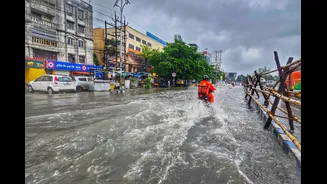
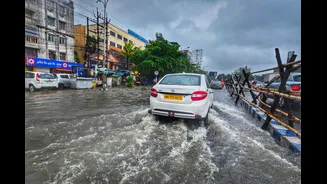
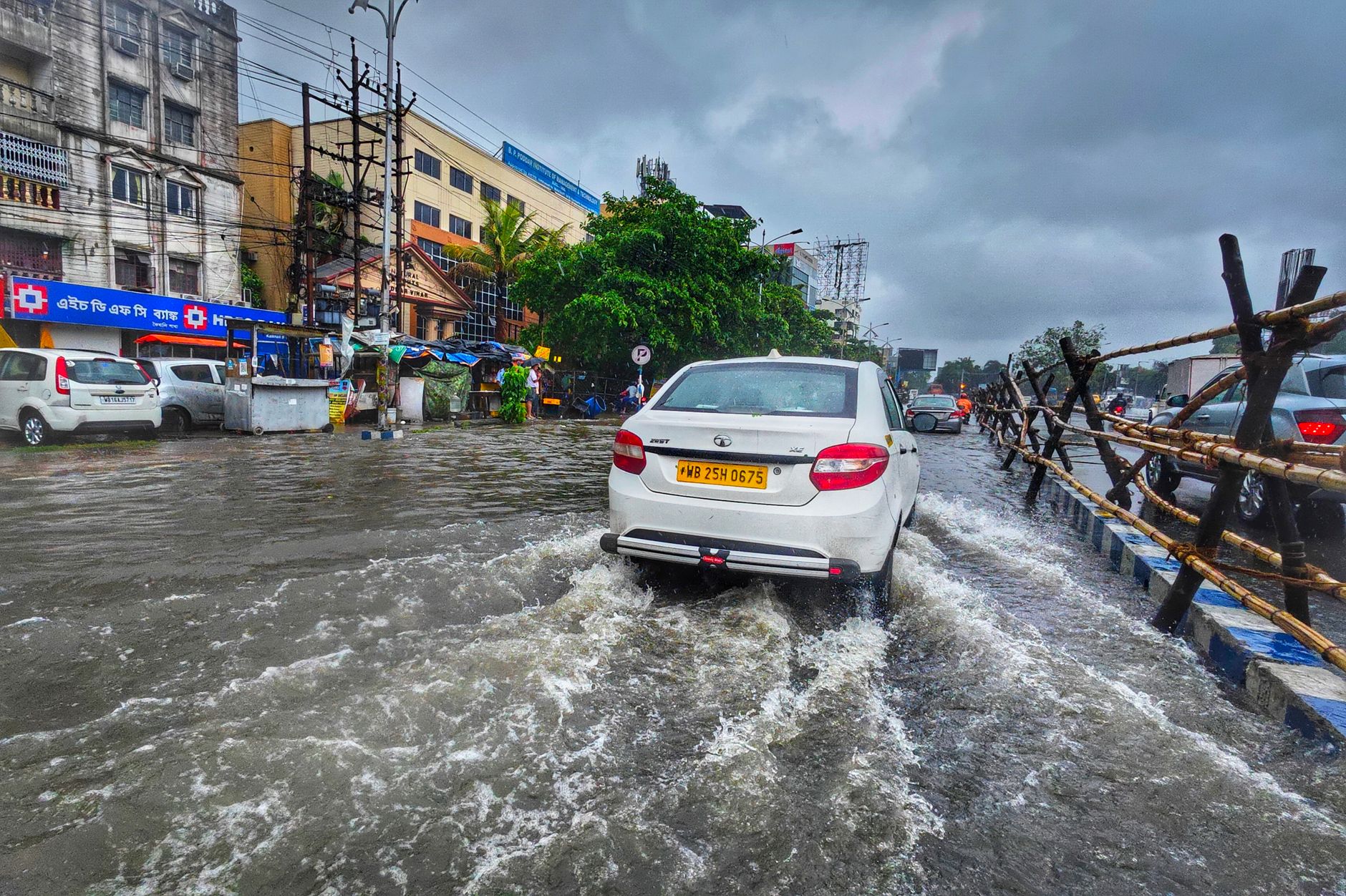
The risks of late-monsoon travel extend far beyond simple inconvenience. Heavy rainfall often leads to serious disruptions and safety hazards. Landslides and mudslides are a major concern in hilly regions like Uttarakhand and Himachal Pradesh, frequently causing road blockages that can strand travellers for days. In urban and low-lying areas, waterlogging and flooding can bring road and rail traffic to a standstill. Flight operations are also commonly affected, with delays and cancellations due to poor visibility and waterlogged runways at major airports. Furthermore, the monsoon season increases health risks, including waterborne diseases from contaminated sources and mosquito-borne illnesses like dengue fever. It is advisable to drink only bottled or purified water and avoid street food where hygiene may be uncertain.
Your Essential Monsoon Travel Checklist
Preparation is the key to a safe monsoon journey. Before setting out, and during your trip, make checking the latest IMD forecasts a daily habit. Pack smart: include a raincoat, an umbrella, waterproof footwear, and quick-drying clothes. A waterproof backpack or cover is essential for protecting your electronics and other belongings. Always carry a basic first-aid kit with medications for common ailments like fever and indigestion, along with a powerful insect repellent. Plan a flexible itinerary with buffer days to account for potential delays in transport, be it by road, rail, or air. Finally, avoid driving at night during heavy rain and never attempt to cross flooded roads or streams.
Should You Cancel? Making an Informed Decision
The decision to travel in September doesn't have to be a simple yes or no. Instead, it should be based on your destination, flexibility, and risk tolerance. If you are heading to regions with active heavy rainfall warnings, such as the Himalayas or areas in central and eastern India, extreme caution is warranted. For these destinations, postponing your trip might be the wisest choice, especially if your itinerary is rigid. However, some regions, like Rajasthan, tend to be drier and more pleasant in September. If you do decide to travel, choose your destination carefully, stay informed about local conditions, and have a solid backup plan. A well-prepared and flexible traveller can still have a wonderful and safe experience enjoying the lush, post-monsoon landscapes.