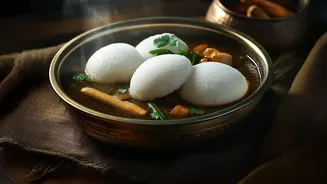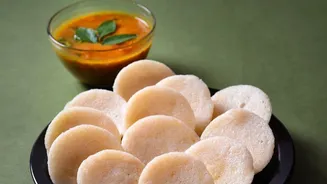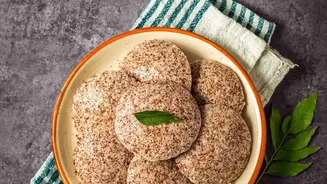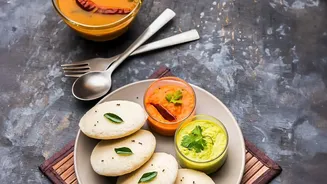







The quest for the perfect idli—soft, fluffy, and light as air—is a journey every home cook understands. But what if you could achieve that cloud-like texture while using a healthier grain? Here's why steaming is the secret weapon.
The Science of a Perfectly Steamed Idli
The magic of a soft idli
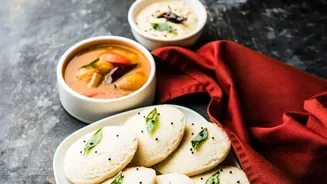
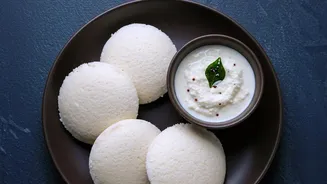
lies in two key processes: fermentation and steaming. Fermentation, driven by the natural microbes in urad dal and rice, creates carbon dioxide gas, filling the batter with tiny air pockets. But it's the steaming that brings it all to life. When the fermented batter is exposed to steam, the heat causes those trapped air bubbles to expand, creating a light, spongy network. Simultaneously, the starches in the grains gelatinise, setting the structure and giving the idli its characteristic soft bite. The temperature and duration are critical; steaming for about 10-12 minutes on a medium, steady flame is ideal. Oversteaming or using a flame that's too high can dry the idlis out, making them hard and rubbery instead of pillowy and moist.
Enter Foxtail Millet: The Healthy Alternative
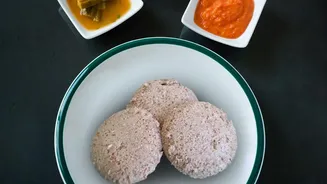
While traditional idlis are a healthy breakfast, swapping rice for foxtail millet (known as 'thinai' or 'kangni') offers a significant nutritional upgrade. Foxtail millet is a powerhouse of nutrients, packed with more protein, dietary fibre, and essential minerals like iron and magnesium compared to polished white rice. Its high fibre content aids digestion and promotes a feeling of fullness, making it an excellent choice for weight management. Furthermore, foxtail millet has a lower glycemic index, meaning it releases energy more slowly and helps maintain stable blood sugar levels, a considerable benefit for those managing diabetes.
Foxtail Millet Idli: A Simple Recipe
Making soft idlis with millet is straightforward once you know the right technique. The key is to treat the millet slightly differently than rice. Many recipes use a 2:1 ratio of foxtail millet to urad dal. Some also include a small amount of poha (beaten rice) or fenugreek (methi) seeds to enhance softness and aid fermentation. Ingredients: 2 cups Foxtail Millet 1 cup Urad Dal (split skinless black gram) 1 tsp Fenugreek Seeds (optional) Salt to taste* Water for soaking and grinding Instructions: 1. Soak Separately: Wash the foxtail millet and urad dal thoroughly. Soak them in separate bowls for at least 4-6 hours. If using, add the fenugreek seeds to the urad dal bowl. 2. Grind Urad Dal First: Drain the urad dal and grind it into a smooth, fluffy paste, adding water sparingly. The goal is to incorporate air, so don't make the batter too runny. 3. Grind the Millet: Drain the foxtail millet and grind it to a fine, slightly grainy texture, similar to rava (semolina). Grinding millet into too smooth a paste can make the idlis dense. 4. Combine and Ferment: Mix the ground dal and millet pastes in a large container. Add salt and mix well with your hand, which helps kickstart fermentation. The batter should be thick but pourable. Cover and let it ferment in a warm place for 8-12 hours, or until it has risen and looks bubbly. 5. Steam to Perfection: Gently stir the fermented batter. Do not over-mix, as this will knock out the air. Grease your idli moulds with a little oil, fill them about three-quarters full, and steam for 10-12 minutes over a medium flame. Ensure the water in the steamer is already boiling before you place the moulds inside.
Tips for Flawless Millet Idlis
Millet idlis can sometimes be more fragile than rice idlis. To ensure success, keep these pointers in mind. First, after steaming, let the idlis rest for a few minutes before attempting to de_mould them; this helps them firm up and prevents breakage. If your batter seems too thick after fermentation, you can add a tablespoon or two of water, but be cautious not to make it thin. A runny batter will lead to flat idlis. For those in colder climates, placing the batter in a warm oven (with only the light on) can provide the consistent temperature needed for proper fermentation. Finally, consistency in grinding is key—a fluffy dal paste and a slightly coarse millet paste create the perfect balance for soft, textured idlis.