



The Hidden Risk in Your Rice
The main concern with leftover rice isn't the reheating itself, but how it was handled after being cooked. Uncooked rice can contain spores of a bacteria called Bacillus cereus. These spores are incredibly resilient and can survive the cooking process.
If cooked rice is left standing at room temperature, these spores can germinate into bacteria. As they multiply, they produce toxins that can cause food poisoning, leading to symptoms like vomiting and diarrhoea. Crucially, these toxins are heat-stable, meaning that once they've formed, reheating the rice won't destroy them. This is why preventing the bacteria from growing in the first place is the only way to ensure your leftover rice is safe.
Cool It Quickly: The Golden Rule
The most critical step in safely handling leftover rice is to cool it as quickly as possible. The goal is to get the rice out of the 'temperature danger zone' (roughly 5°C to 60°C) where bacteria thrive. Leaving a large pot of hot rice on the counter is a common mistake; the centre of the rice will stay warm for hours, creating a perfect breeding ground for bacteria. Instead, aim to cool your rice within one hour of cooking. The best method is to increase its surface area. Spread the cooked rice in a thin layer on a clean baking sheet or in a shallow dish. You can also divide it into smaller portions or even rinse plain rice under cold running water to speed up the process. Placing the container in an 'ice bath' in your sink is another effective trick.
Store It Right for Peace of Mind
Once the rice is cool to the touch, it's time to store it. Transfer the cooled rice into an airtight container or a resealable bag. This prevents it from absorbing odours from other foods in your fridge and protects it from contamination. Place it in the refrigerator promptly. Most food safety authorities recommend storing cooked rice in the fridge for no more than one day before reheating and consuming it. Some sources say it can last up to 2-3 days, but the shorter the storage time, the lower the risk. Never eat rice that has been left at room temperature for more than a few hours, and if you have any doubt about how it was handled, it is always safest to discard it.
Reheating for Perfect, Safe Results
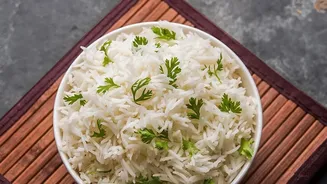
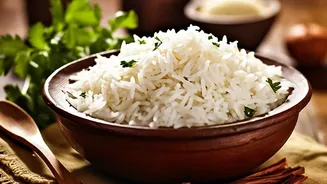
When you're ready to use your properly stored basmati rice, the key is to reheat it until it is steaming hot all the way through. This applies whether you use a microwave, stovetop, or steamer. For the microwave, place the rice in a suitable bowl, break up any clumps, and add a tablespoon or two of water per cup of rice to create steam. Cover the bowl loosely and heat in short bursts, stirring in between to ensure it heats evenly. On the stovetop, add the rice to a pan with a splash of water or oil, cover with a tight-fitting lid, and heat on low for a few minutes until piping hot. A fork is better than a spoon for fluffing the grains without breaking them. Remember the most important rule: only reheat leftover rice once.
Ideas for Your Leftover Basmati
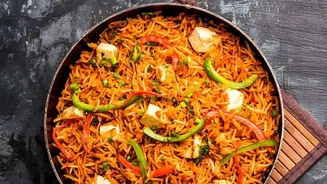
Once you've mastered the safety steps, a world of delicious possibilities opens up. Chilled, properly stored rice is perfect for a quick and refreshing rice salad. For a hot meal, leftover basmati is the ideal base for fried rice; the cold, separated grains fry up beautifully without becoming mushy. You can also add a handful to soups or stews towards the end of cooking to bulk them up. If you're packing a tiffin or lunchbox, it's best to pack the reheated rice and any wet curries or gravies in separate containers to be mixed just before eating. No matter the recipe, the fundamental rules remain the same: cool it fast, store it cold, and reheat it thoroughly. Following these simple guidelines ensures you can reduce food waste and safely enjoy your delicious basmati rice in another meal.