

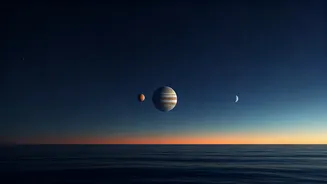
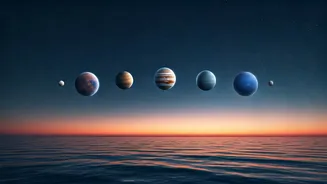


What Exactly Is This Planetary Parade?
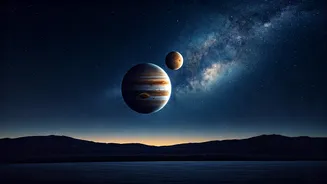
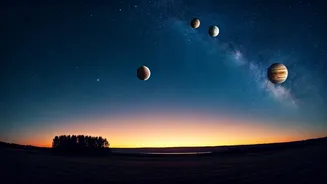
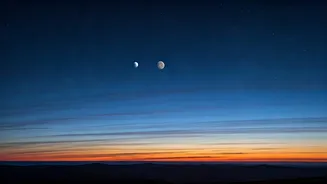
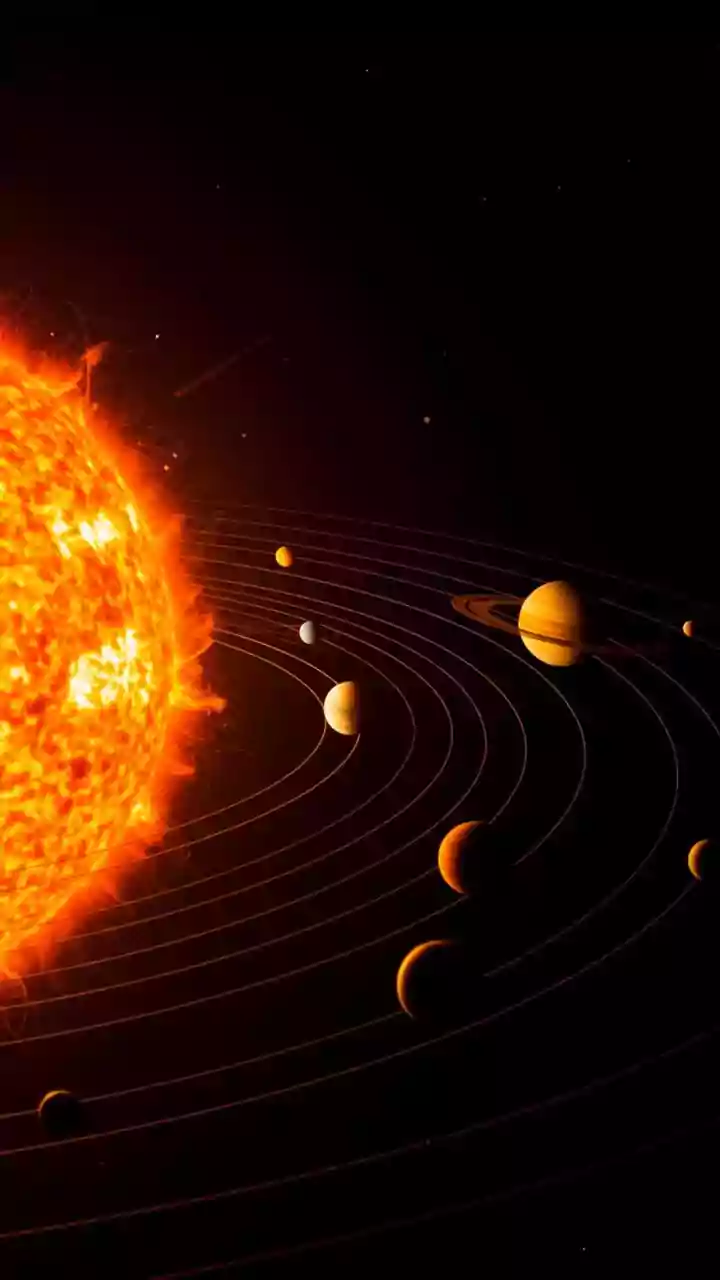
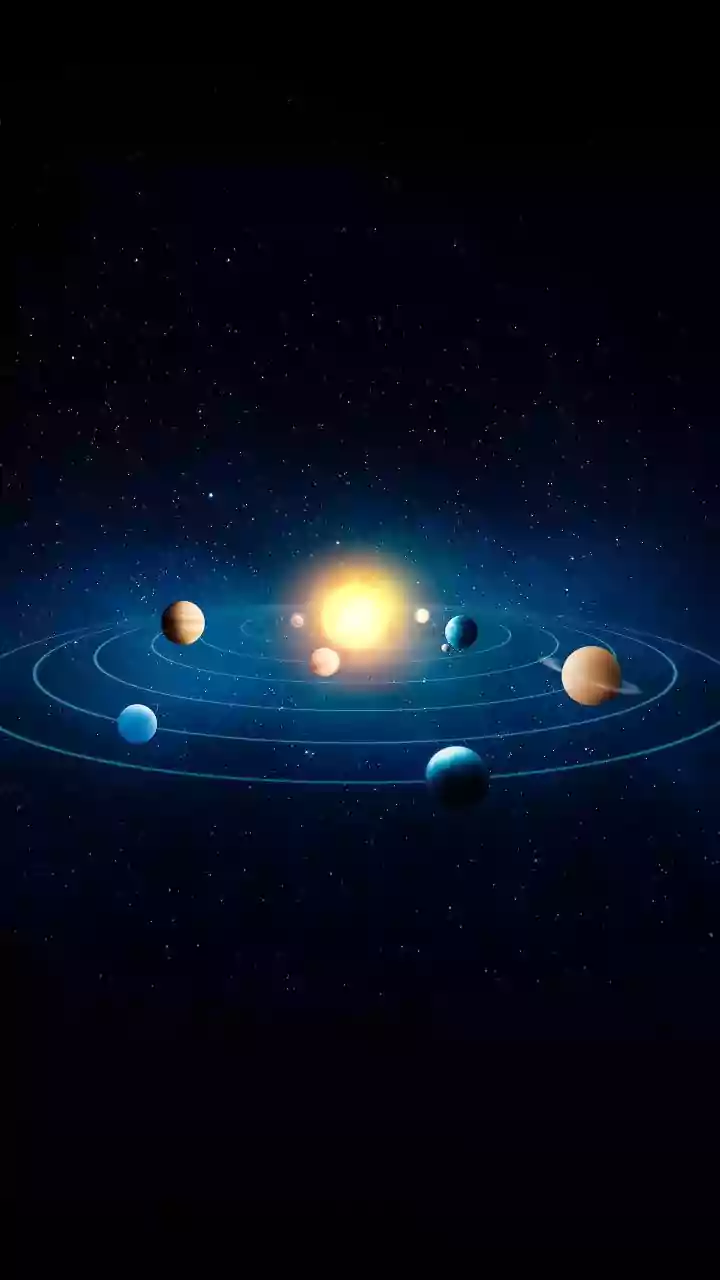
What we’re witnessing is a planetary conjunction, often called an alignment. This doesn't mean the planets are physically close to each other—in reality, they remain millions of kilometres apart on their own orbits. Instead, it’s a beautiful line-of-sight
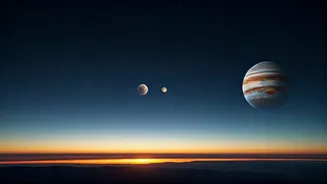
illusion from our perspective here on Earth. As the planets orbit the Sun at different speeds, their positions in our sky constantly shift. Occasionally, they appear to gather in a small patch of the sky, creating a stunning visual grouping. These events are a regular, yet always special, part of the cosmic dance. This particular gathering involves three of the most interesting naked-eye planets: Mercury, Venus, and Jupiter.
Meet the Celestial Trio
Getting to know the players makes the show even better. The brightest of the trio will be Venus. Often called the 'Evening Star' or 'Morning Star', Venus is the second brightest object in the night sky after the Moon, thanks to its thick, highly reflective clouds. You can't miss its brilliant, steady glare. Next is Jupiter, the king of the planets. While not as dazzlingly bright as Venus, Jupiter is still a commanding presence, shining with a strong, unwavering light. Unlike twinkling stars, planets tend to shine steadily. The trickiest one to spot is Mercury. As the closest planet to the Sun, it never strays far from the Sun's glare in our sky. It’s only visible for short periods just after sunset or before sunrise, always hugging the horizon. Spotting Mercury is a rewarding challenge for any stargazer.
Your Guide to Spotting the Alignment
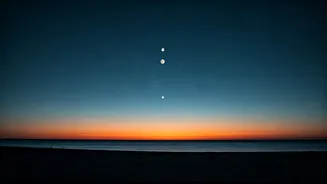
Timing and direction are everything for an event like this. The key is to look towards the western horizon. The show begins shortly after the Sun has completely set. This is the 'blue hour,' when the sky is dark enough for the planets to pop out but before they sink below the horizon themselves. Start looking about 30 to 45 minutes after sunset. You’ll need an unobstructed view of the west, free from tall buildings or trees. Venus will likely be the first to appear, a blazing point of light. As the twilight deepens, the fainter lights of Jupiter and Mercury will become visible nearby. They will form a loose triangle or a slight line. Remember, these planets set relatively quickly, so the viewing window typically lasts for about an hour at most.
Tips for the Best Viewing Experience
You don’t need any fancy equipment to enjoy this alignment; it's a naked-eye event. However, a few tips can enhance your experience. First, get away from city lights if you can. Light pollution washes out fainter objects like Mercury. Even moving to a park or a rooftop can make a big difference. Second, give your eyes time to adjust to the darkness—it can take about 15-20 minutes for them to become fully sensitive. Third, while a telescope isn't necessary, a simple pair of binoculars will work wonders. Through binoculars, you might be able to see Jupiter's four largest moons—Io, Europa, Ganymede, and Callisto—as tiny pinpricks of light flanking the planet. Finally, consider using a stargazing app on your phone (like Stellarium or SkyView). These apps use your phone's sensors to show you exactly where to look for each planet in real-time.
A Cosmic Moment to Appreciate
While planetary alignments are based on simple orbital mechanics, they have captivated humanity for millennia. Ancient astronomers tracked these movements with incredible precision, using them to create calendars and develop their understanding of the cosmos. For us today, they are a wonderful reminder of our place in a vast and dynamic solar system. Taking a moment to step outside, away from our screens, and watch worlds millions of kilometres away glide past each other is a simple, profound way to connect with the universe. It’s a free show, available to everyone with a clear view of the sky.